The Supreme Court has ruled that lawsuits can proceed in the United States over assets seized by Cuba in 1960.
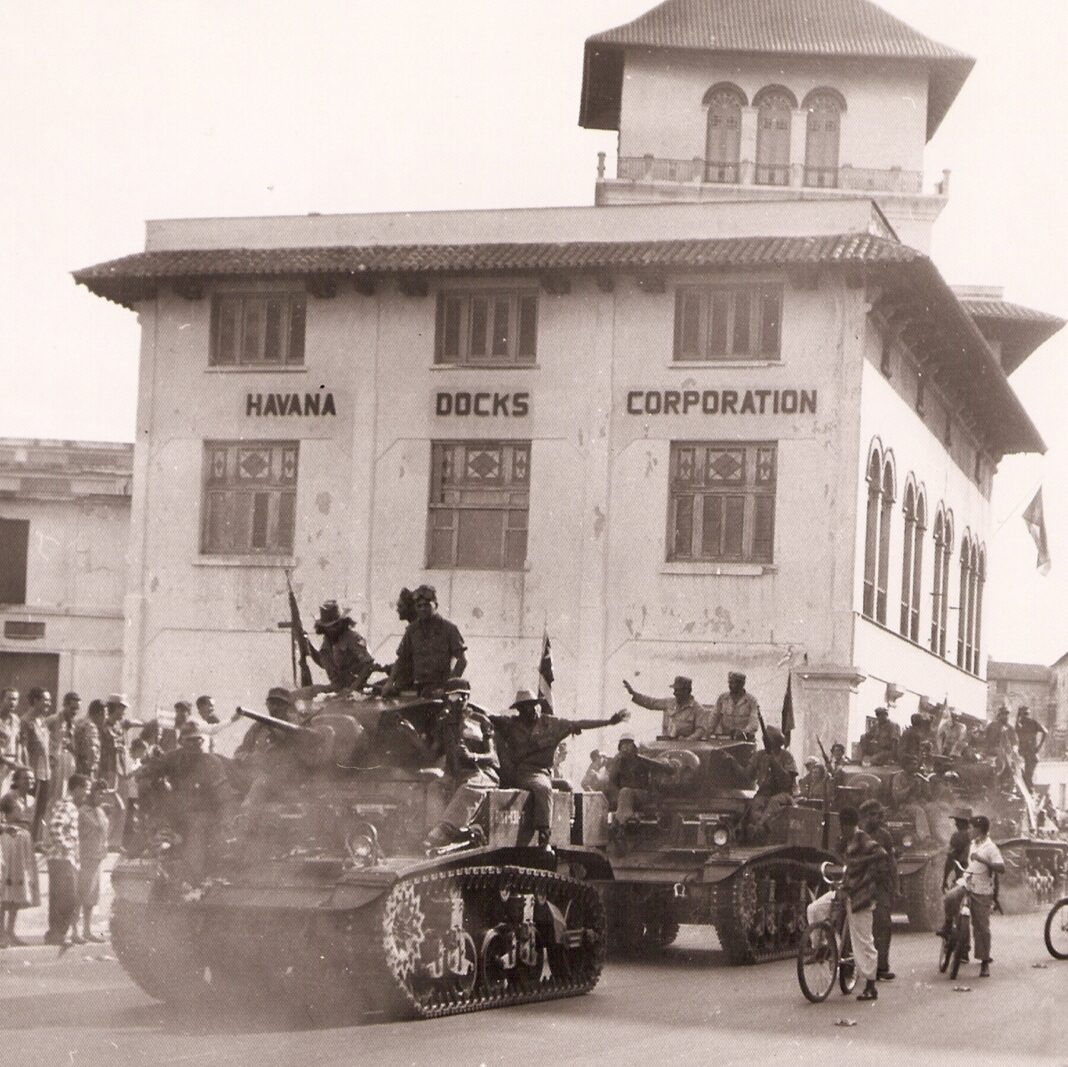
The case involves the Havana Docks Corporation, a U.S.-owned entity seeking compensation for property confiscated by Fidel Castro’s regime.
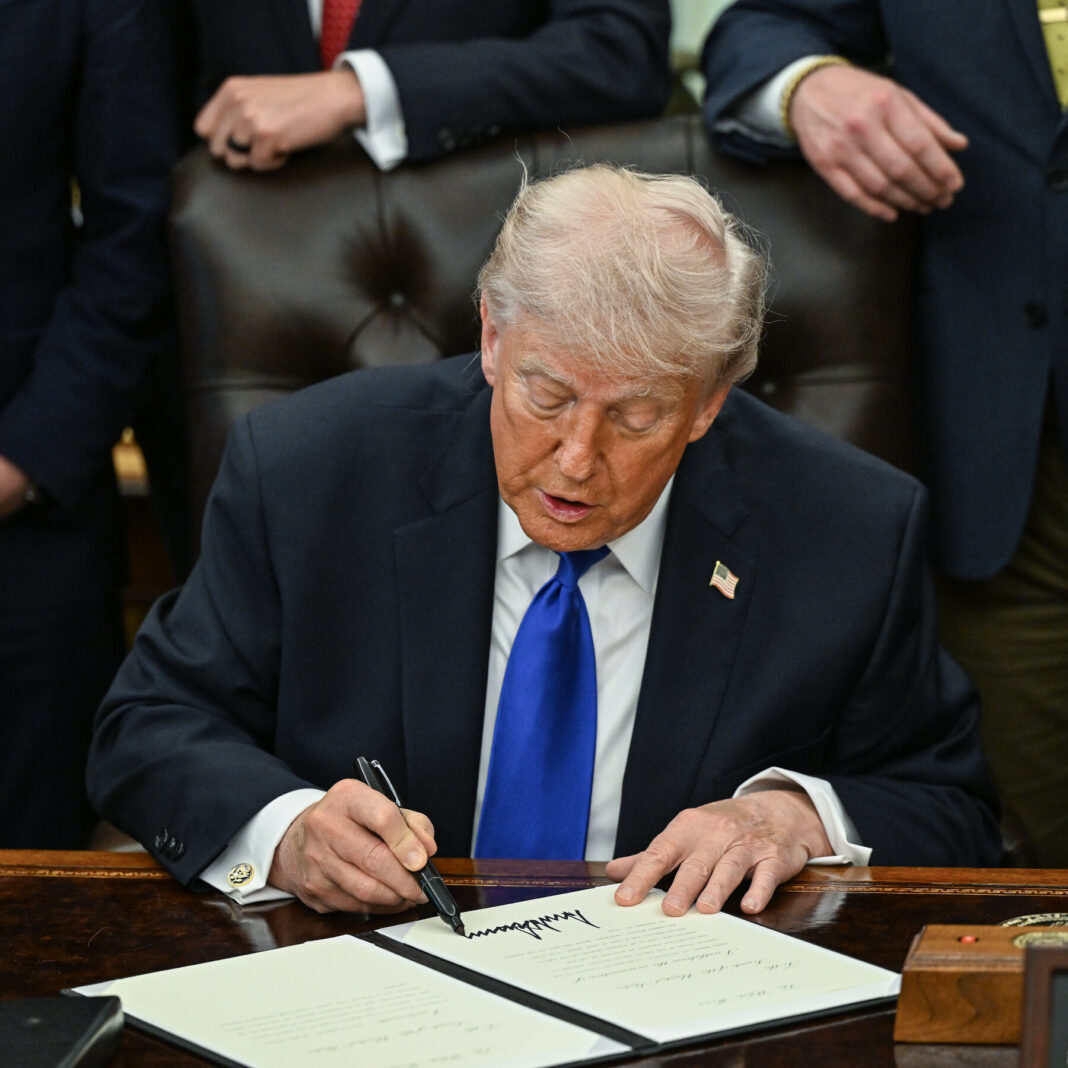
The Trump administration backed these lawsuits, arguing that American entities deserve recourse for past expropriations.
The Court’s decision allows the Havana Docks Corporation to pursue claims against cruise lines and other companies that used the seized property.
Legal experts note that the ruling could open the door for similar cases seeking damages tied to Cold War-era nationalizations.
The decision hinges on interpretations of the Helms-Burton Act, a 1996 law that allows U.S. nationals to sue over confiscated property in Cuba.
Observers say the ruling may deepen tensions between the United States and Cuba, though diplomatic relations remain strained.
The Havana Docks Corporation plans to move forward with its lawsuits, potentially setting a precedent for other claimants.
The Supreme Court did not rule on the merits of the case, only on the legal standing to bring such suits in U.S. courts.