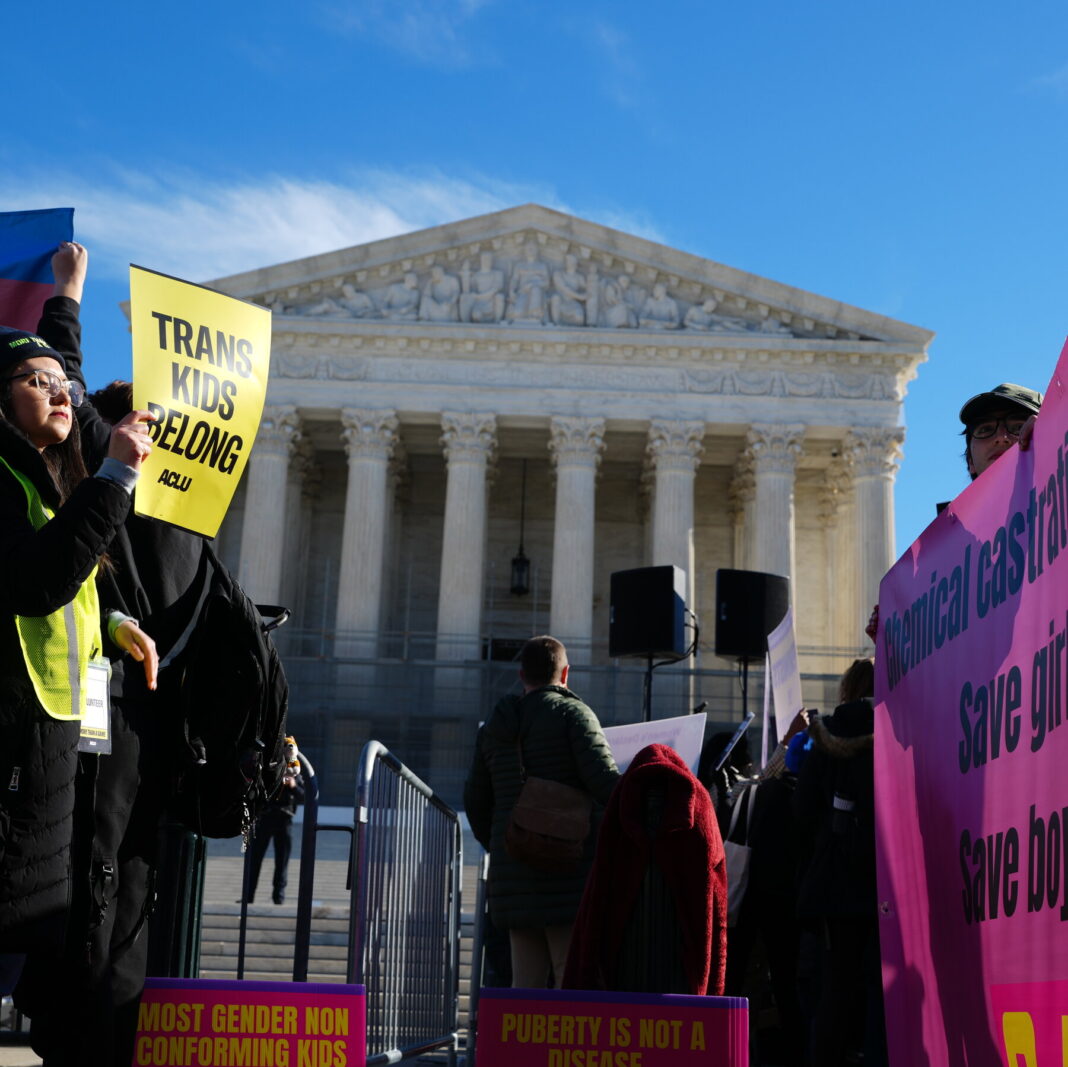
A Supreme Court ruling on transgender athletes has provided a significant political victory for Republicans. The decision allows states to ban transgender girls and women from school sports teams aligned with their gender identity. Most Democratic leaders, however, chose not to publicly address the ruling.
The silence from many Democrats highlights a continuing divide within the party on the issue. Transgender athlete participation proved to be a contentious topic during the last election cycle. The ruling gives the GOP a clear platform heading into the upcoming midterm elections.
Republican officials celebrated the decision as a win for fairness and competitive integrity in women’s sports. They plan to use the ruling to rally their base and appeal to moderate voters. This issue is expected to feature prominently in campaign messaging.
Democrats who remained quiet face pressure from both progressive and centrist factions. Some party strategists fear the topic could alienate swing voters in key districts. Others worry the silence may discourage LGBTQ+ supporters.
The ruling itself does not change existing federal law but affirms the authority of state-level bans. Several states had already passed such laws, creating a patchwork of regulations nationwide. Legal challenges to those bans are now less likely to succeed.
Polls show the American public remains sharply divided on the issue. Support for transgender athlete restrictions is higher among Republicans and older voters. Younger and more liberal voters tend to oppose such bans.
The political impact of the ruling will likely be tested in competitive races this November. Both parties are preparing messaging strategies tailored to their respective audiences. The outcome could shape future legislative battles on transgender rights.