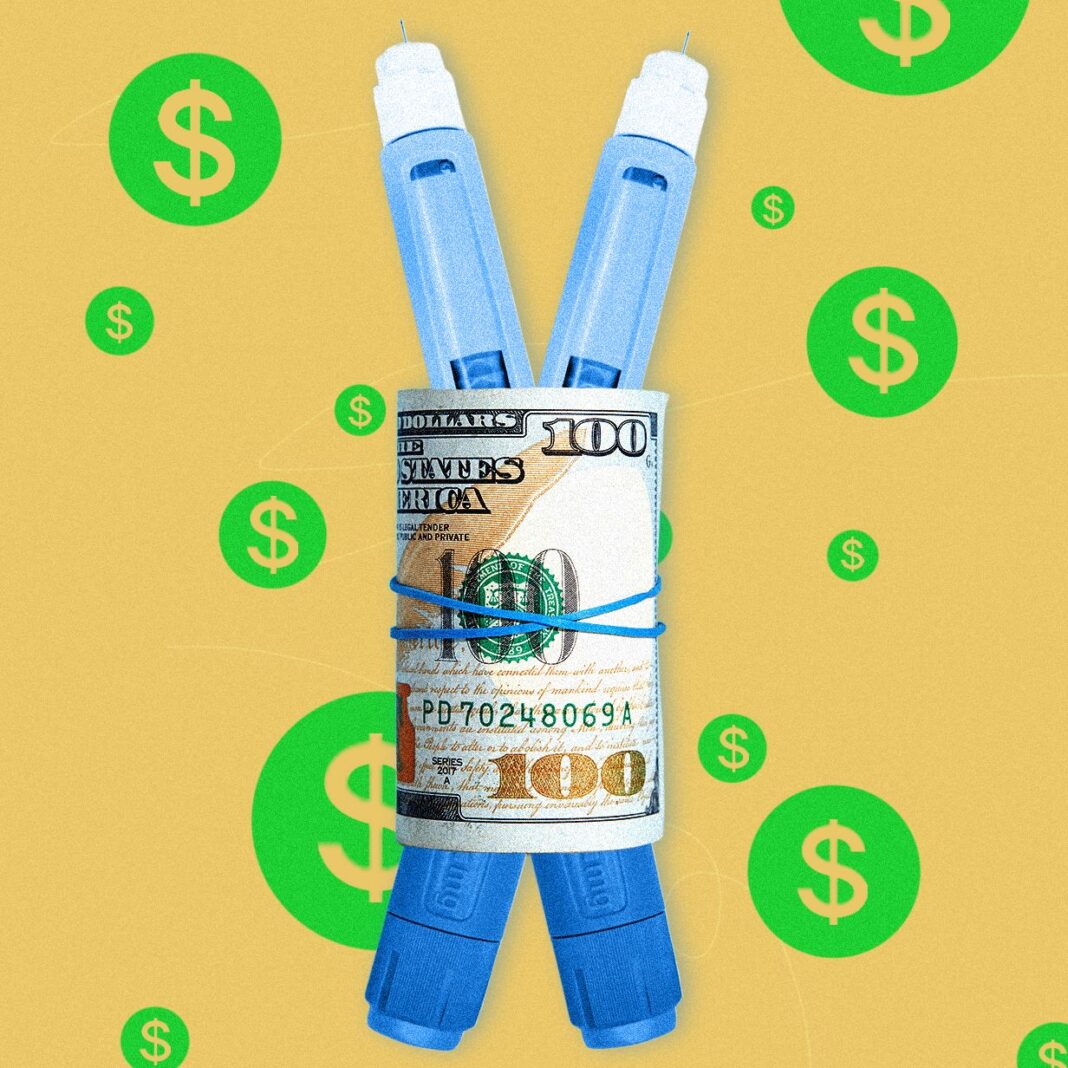
Just about anyone can now sell GLP-1s online. The telehealth market has shifted dramatically, allowing a wide range of platforms and individuals to open virtual clinics. These clinics often offer weight loss drugs and other prescription medications.
The phenomenon is being called the “Temu experience of telehealth,” comparing it to the low-barrier marketplace. Entities such as dating apps and political influencers can now act as middlemen. They can quickly set up shop to sell these highly popular drugs.
This new landscape lowers the entry point for selling medical services online. Traditional healthcare providers are no longer the only gatekeepers. The model relies on third-party platforms that connect patients with prescribing doctors.
These turnkey healthcare providers handle the logistics behind the scenes. They manage the technology, pharmacy fulfillment, and administrative tasks for the brand. The brand itself only needs to supply its customer base.
For example, a social media influencer can now offer GLP-1 subscriptions directly to followers. The influencer earns revenue without needing a medical license or infrastructure. This expands access but raises questions about oversight.
The arrangement prioritizes speed and convenience over traditional medical relationships. Patients often interact briefly with a doctor through a questionnaire or video chat. This process facilitates rapid prescribing and delivery.
Experts worry about the safety and quality of care in this fragmented system. There are concerns about inadequate patient screening and long-term monitoring. Regulation may struggle to keep pace with this rapid expansion.