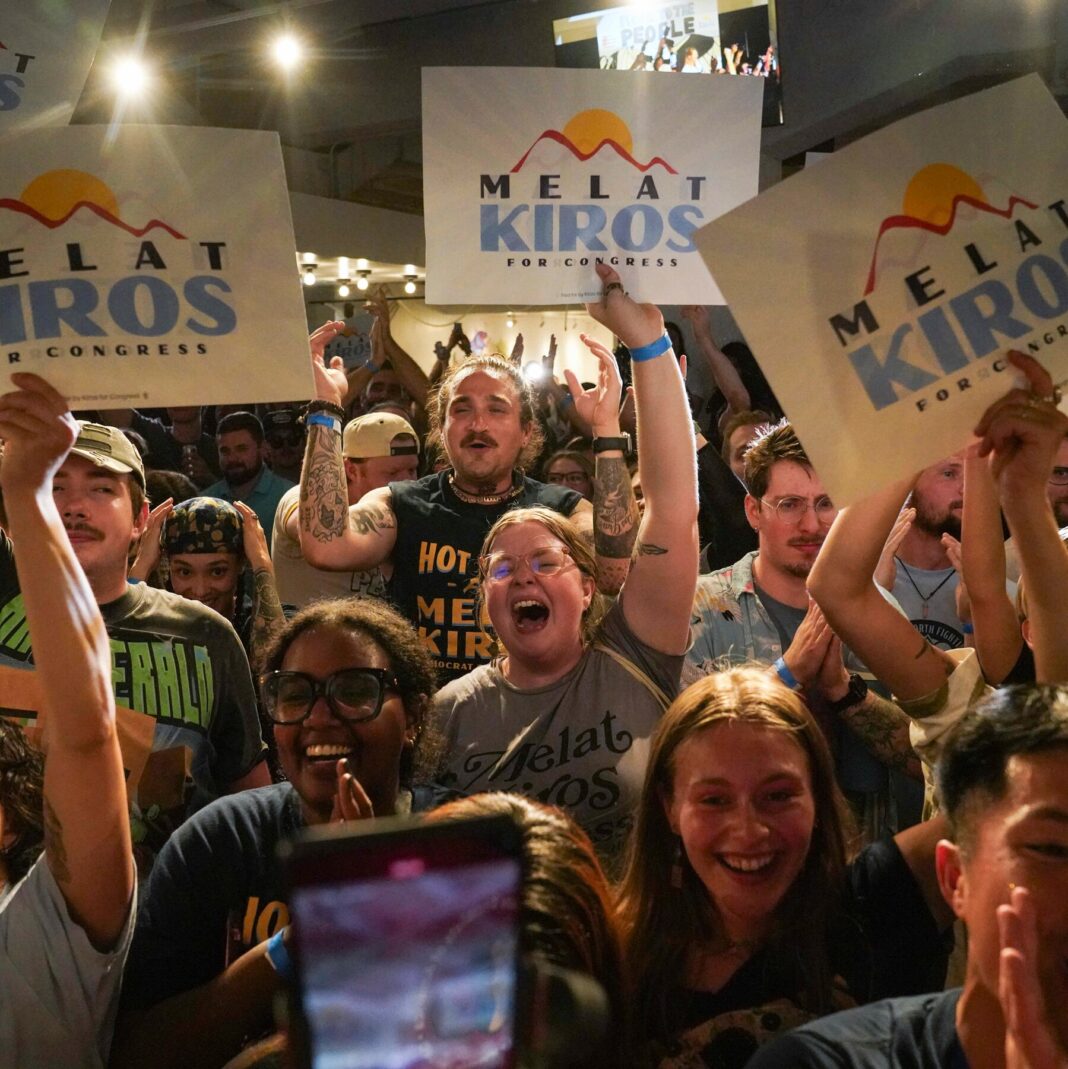
As the 2026 midterm elections approach, a wave of outsider fervor is reshaping Democratic primary races across the country. Several incumbents have already been knocked out of office by progressive challengers. Additional incumbents now face spirited opposition from within their own party.
The trend signals growing frustration among the Democratic base with centrist lawmakers. Progressive activists argue that incumbents have not delivered on key promises, including healthcare reform and climate action. These challengers are leveraging grassroots funding and social media to build momentum.
Among the most vulnerable incumbents are those in safe Democratic districts. The lack of general election competition shifts the tactical focus to primary battles. This dynamic allows progressive challengers to concentrate resources on unseating established figures.
Several factors contribute to an incumbent’s risk level in these primaries. Voting records on corporate donations and military spending are under intense scrutiny. Support for the current administration’s compromise bills has also become a liability in some districts.
Primary challengers are gaining traction by emphasizing authenticity and local ties. Many are political newcomers bringing fresh narratives of community organizing. These candidates often criticize incumbents for being out of touch with working-class voters.
Fundraising data reveals that outsider candidates can compete financially. Small-dollar donations from progressive networks are matching or exceeding traditional PAC contributions. This financial viability is encouraging more challengers to enter races.
The list of at-risk incumbents spans both coasts and the Midwest. Some have held their seats for over a decade, accumulating institutional power. That experience is now being framed as an obstacle rather than an asset by their opponents.
National progressive organizations are coordinating support for these challengers. They are providing strategic guidance and shared messaging frameworks. This infrastructure makes primary upsets more feasible for individual campaigns.
The outcome of these races could reshape the Democratic Party’s legislative priorities. A wave of progressive victories would shift the party’s internal balance of power. Party leadership is watching these contests closely as indicators of the party’s future direction.