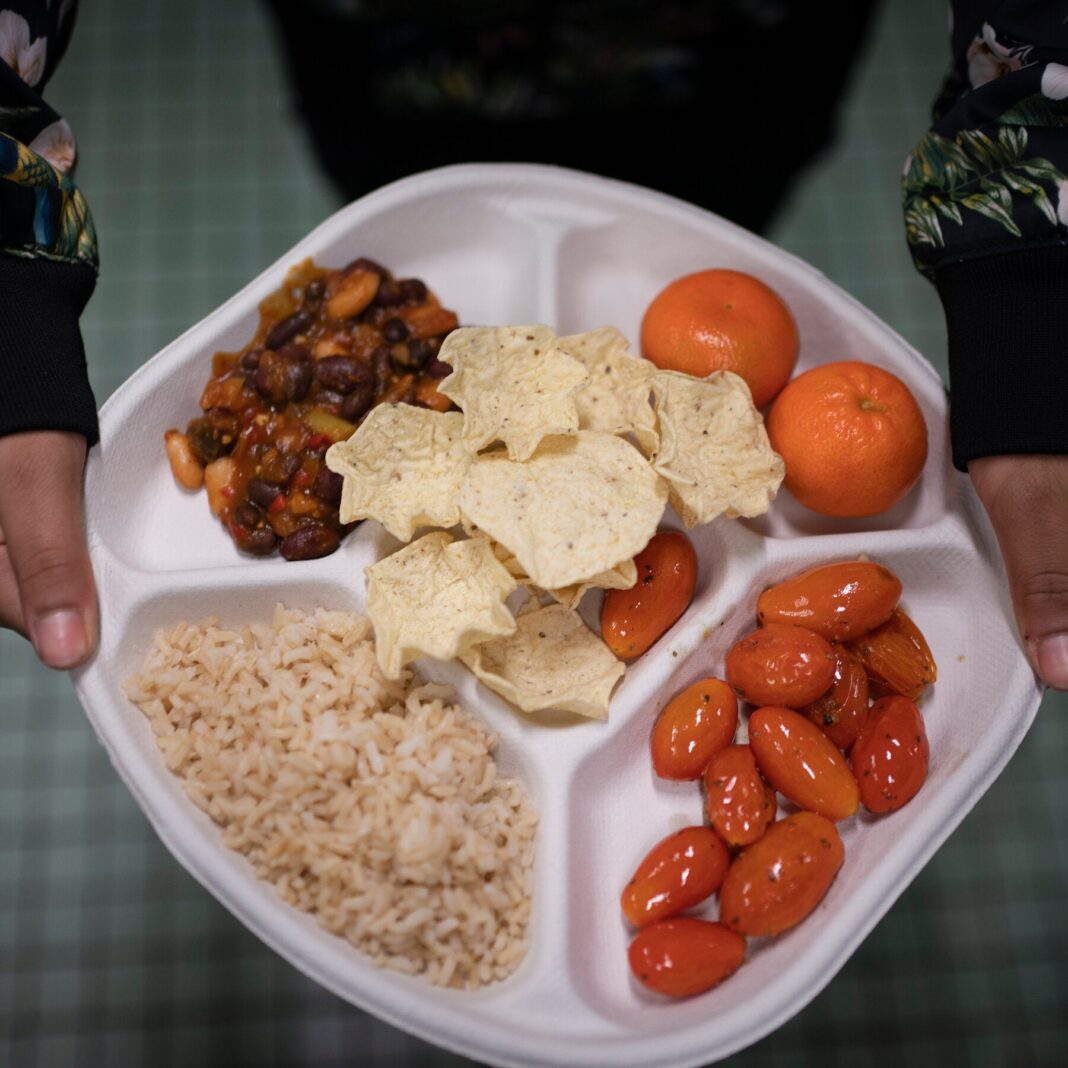
The Trump administration has moved to cut the Supplemental Nutrition Assistance Program and proposed new regulatory changes. These actions carry direct consequences for school lunch and breakfast programs nationwide. The connection between SNAP and school meals runs through shared eligibility rules and funding.
SNAP helps millions of low-income families buy food each month. Children in those households often qualify automatically for free or reduced-price school meals. Policy changes at the federal level can therefore ripple into cafeterias.
Proposed regulatory changes could narrow who qualifies for SNAP benefits. Fewer eligible families would mean fewer students certified for meal assistance. Schools rely on that certification data to set meal programs and budgets.
School nutrition directors warn that tighter rules create administrative burdens. Families must document income and reapply for benefits more often. Students can lose meal access during gaps in paperwork.
Federal reimbursements to schools depend on accurate counts of eligible students. A drop in certified students reduces funding for meal service. Districts with high poverty rates would feel the impact most.
Child nutrition advocates say school meals are a frontline defense against hunger. Cuts to SNAP could undercut that safety net for millions of children. Research links school breakfast and lunch to better attendance and classroom performance.
The administration frames the changes as efforts to tighten program integrity and reduce costs. Critics argue the savings come at the expense of children’s nutrition. The debate now moves to public comment and possible legal challenges.