A forthcoming executive order from the Trump administration instructs regulators to reassess the data banks collect from customers. The directive focuses on using that information to verify clients’ citizenship status.
The order frames the move as a safeguard against money laundering and financial crimes. It pushes financial institutions to strengthen identity checks for account holders.
Banks currently collect basic personal details, such as names, addresses, and Social Security numbers. Under the new guidance, regulators may require lenders to confirm whether a customer is a U.S. citizen or a foreign national.
Industry analysts warn the proposal could add significant compliance costs for banks. Smaller community lenders may face particular strain in updating systems to handle citizenship verification.
Proponents argue the measure closes loopholes used to hide illicit funds. They say verifying citizenship status helps authorities track suspicious transactions tied to foreign actors.
Critics, however, raise privacy concerns about expanding government oversight into personal financial data. Some legal experts question whether the order aligns with existing banking privacy laws.
The executive order is still in draft form and could face revisions before its official release. Financial regulators are expected to issue formal guidance after the order is signed.
This move signals the administration’s broader push to tighten financial system controls. It could reshape how banks approach customer due diligence in the coming years.
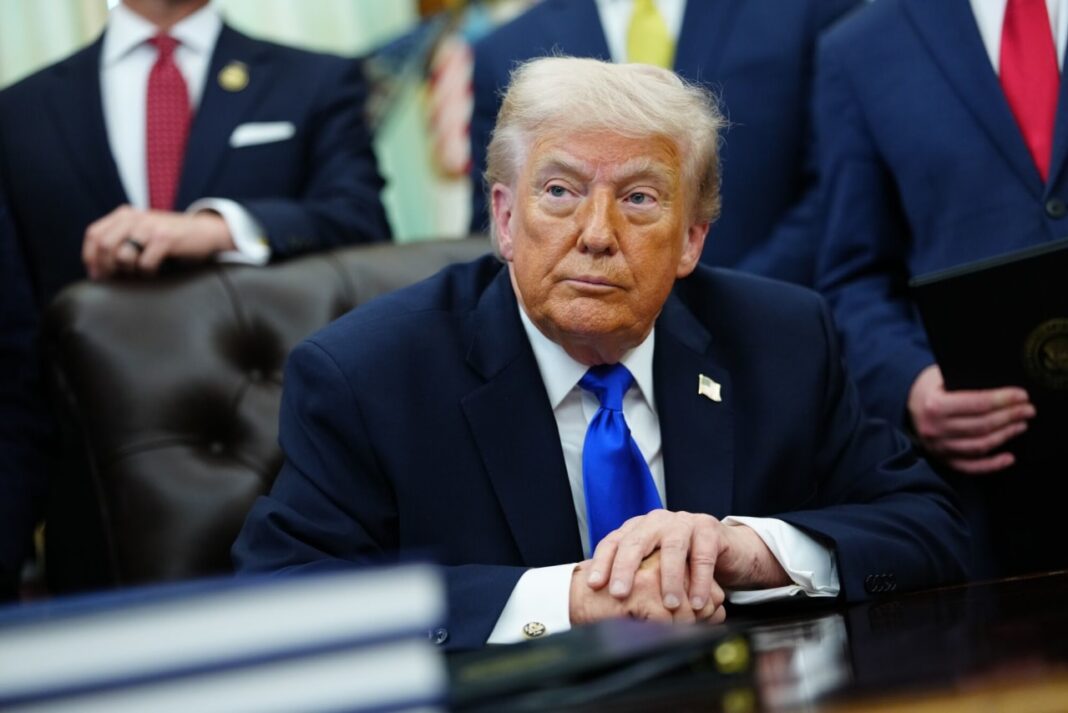
Trump Executive Order Targets Bank Citizenship Checks to Curb Financial Crime
Popular Categories


Previous article

Next article