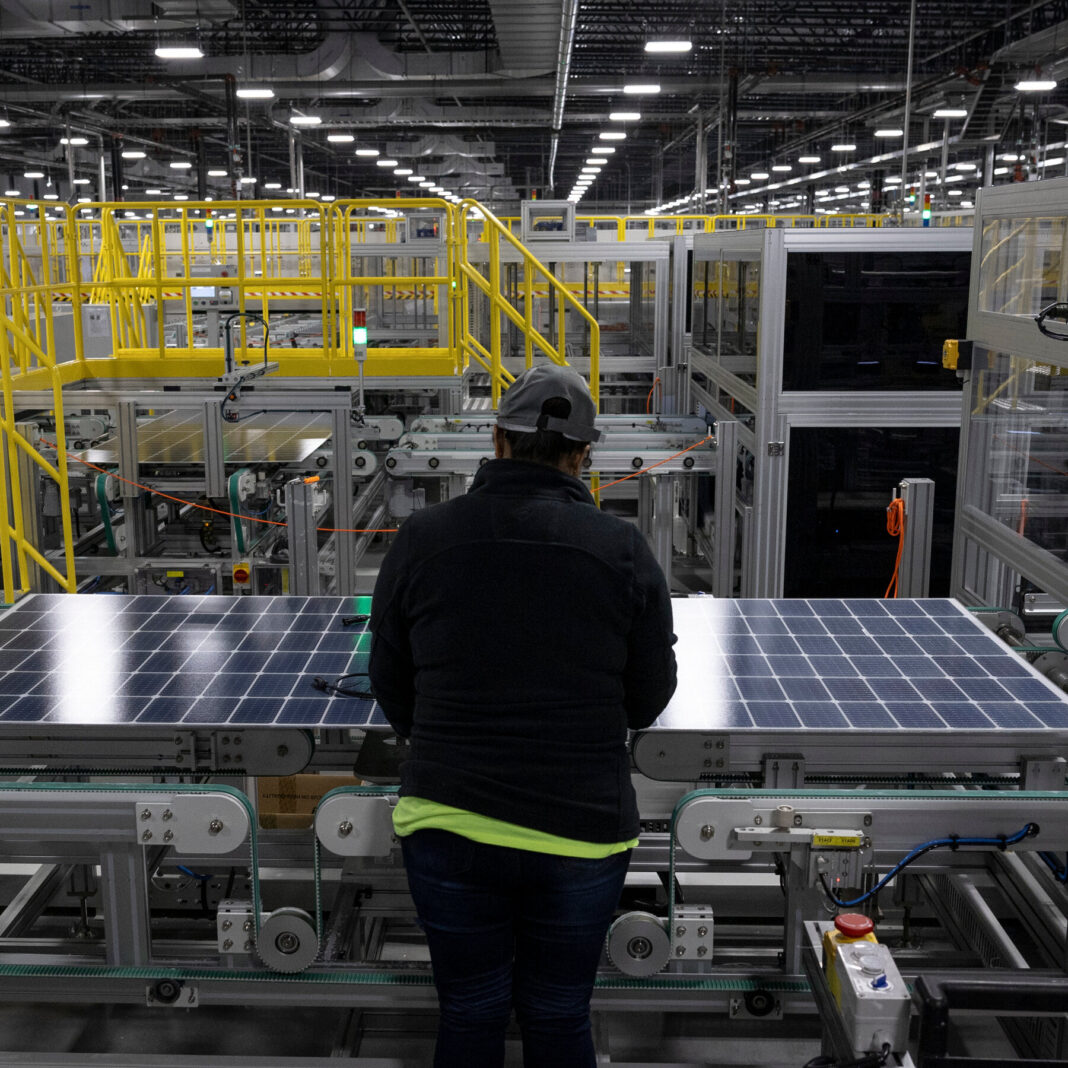
The Trump administration has announced new trade restrictions targeting polysilicon, a critical raw material used in semiconductors and solar panels. The measures include a minimum import price for the material, along with tariffs on finished products that incorporate it.
Polysilicon serves as a foundational input for the production of computer chips and photovoltaic cells. The new policy aims to bolster domestic manufacturing of the material, which is currently dominated by overseas suppliers. Officials argue that the move is necessary to reduce reliance on foreign sources for a component vital to modern technology.
The minimum import price will apply to raw polysilicon entering the United States. Tariffs will also be placed on goods made with the material, which could affect a range of electronics and renewable energy equipment. Industry analysts say the policy will likely raise costs for manufacturers that depend on imported supplies.
Domestic producers of polysilicon have struggled to compete with lower-cost foreign rivals in recent years. The new restrictions are designed to level the playing field, but they may also lead to higher prices for consumers. Solar panel installers and electronics makers could face increased expenses as a result.
The move marks another escalation in the administration’s broader trade agenda, which has targeted various goods and materials. Previous actions have included tariffs on steel, aluminum, and imported components. The latest decision extends that approach to a niche but essential part of the supply chain.
Reaction from the industry has been mixed. Some domestic producers welcomed the announcement, citing long-term benefits for local jobs and output. Others warned that the policy could disrupt supply chains and slow the adoption of solar energy, which relies heavily on cost-sensitive projects.
The full scope of the tariffs and the exact price floor will be detailed in upcoming federal guidance. Companies that import polysilicon or related products are expected to adjust their sourcing strategies in the coming months. The policy is set to take effect later this year, with potential exemptions for certain trading partners still under review.
Economists note that the effectiveness of the measure will depend on whether domestic capacity can scale up quickly. Building new polysilicon plants requires significant capital and time, meaning immediate supply gaps could persist. The long-term impact on prices and innovation remains uncertain.