The Trump administration announced a new round of sanctions against Cuba on Wednesday, intensifying economic pressure on the island nation. The measures target additional sectors of the Cuban economy and aim to further restrict foreign investment. Officials stated the actions are designed to force political change in Havana.
The latest sanctions build on previous restrictions imposed during the president’s term. They include expanded penalties on companies that operate in Cuba’s tourism and mining industries. The Treasury Department also added several Cuban state entities to its list of blocked parties.
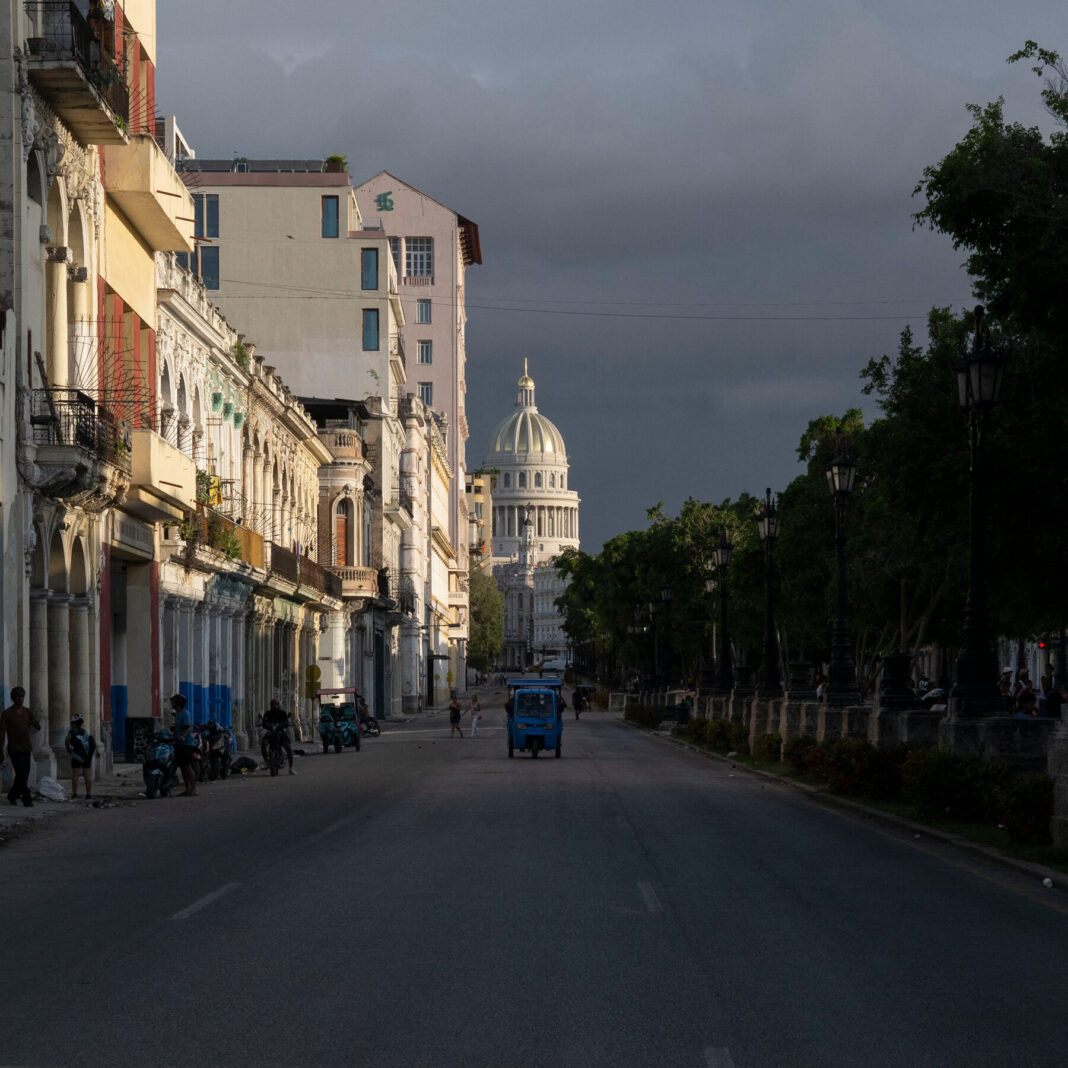
Human rights experts have said that the U.S. attempts to squeeze Cuba’s economy, including an oil blockade, have caused a severe humanitarian crisis. Food, medicine, and fuel shortages have worsened across the country in recent months. Independent observers report that ordinary Cubans are bearing the brunt of the pressure campaign.
Administration officials defended the new measures, arguing that the sanctions target the Cuban government rather than its people. They pointed to recent protests as evidence that pressure is working. However, critics contend that the policy has not achieved its stated goals.
The European Union and several Latin American nations have criticized the latest action. They argue that unilateral sanctions violate international norms and deepen suffering. Cuba’s foreign ministry condemned the move as an act of economic warfare.
Previous rounds of sanctions have already limited remittances and restricted U.S. travel to the island. The new package extends those limits and closes loopholes that allowed some transactions. It also targets foreign firms that facilitate oil imports.
Economic analysts note that the cumulative effect of sanctions has crippled Cuba’s state-run industries. Tourism revenue has dropped sharply, and the country’s energy grid faces frequent blackouts. The Cuban government has called for dialogue, but U.S. officials have shown no willingness to negotiate.
The announcement comes as the administration faces scrutiny over its broader foreign policy. Some lawmakers have questioned whether the sanctions strategy is effective or sustainable. Others have voiced support, saying that pressure remains the best tool to address human rights abuses.
The new sanctions will take effect over the coming weeks, with full enforcement expected by year’s end. Businesses operating in Cuba are advised to review their compliance obligations. The full list of affected entities is available on the Treasury Department’s website.