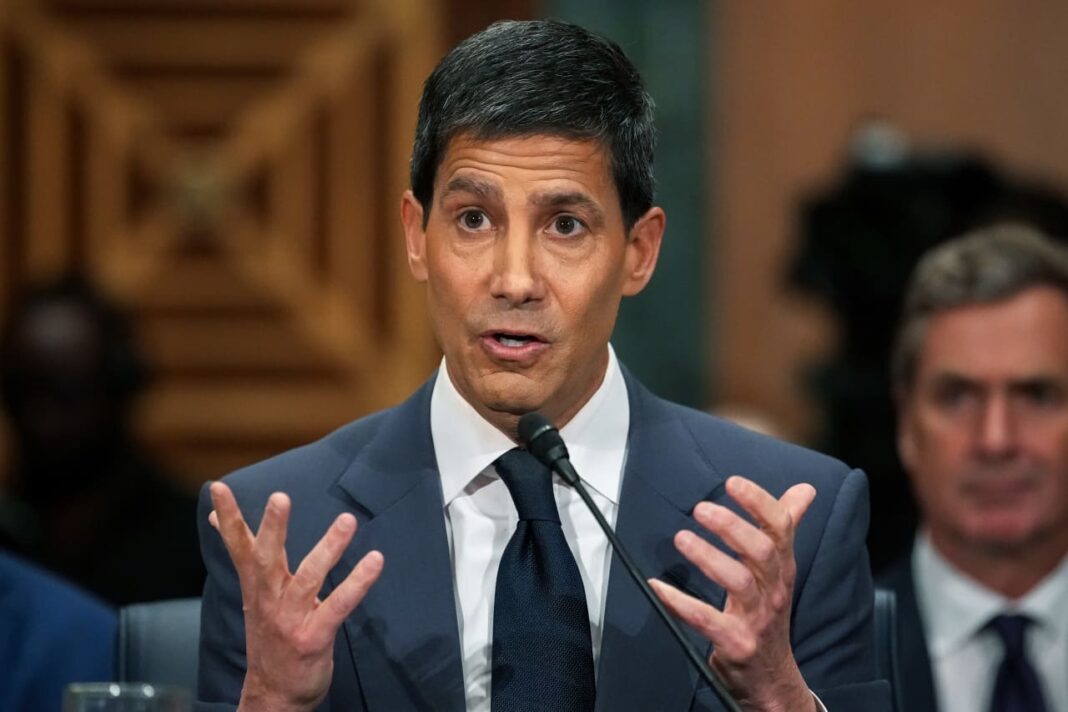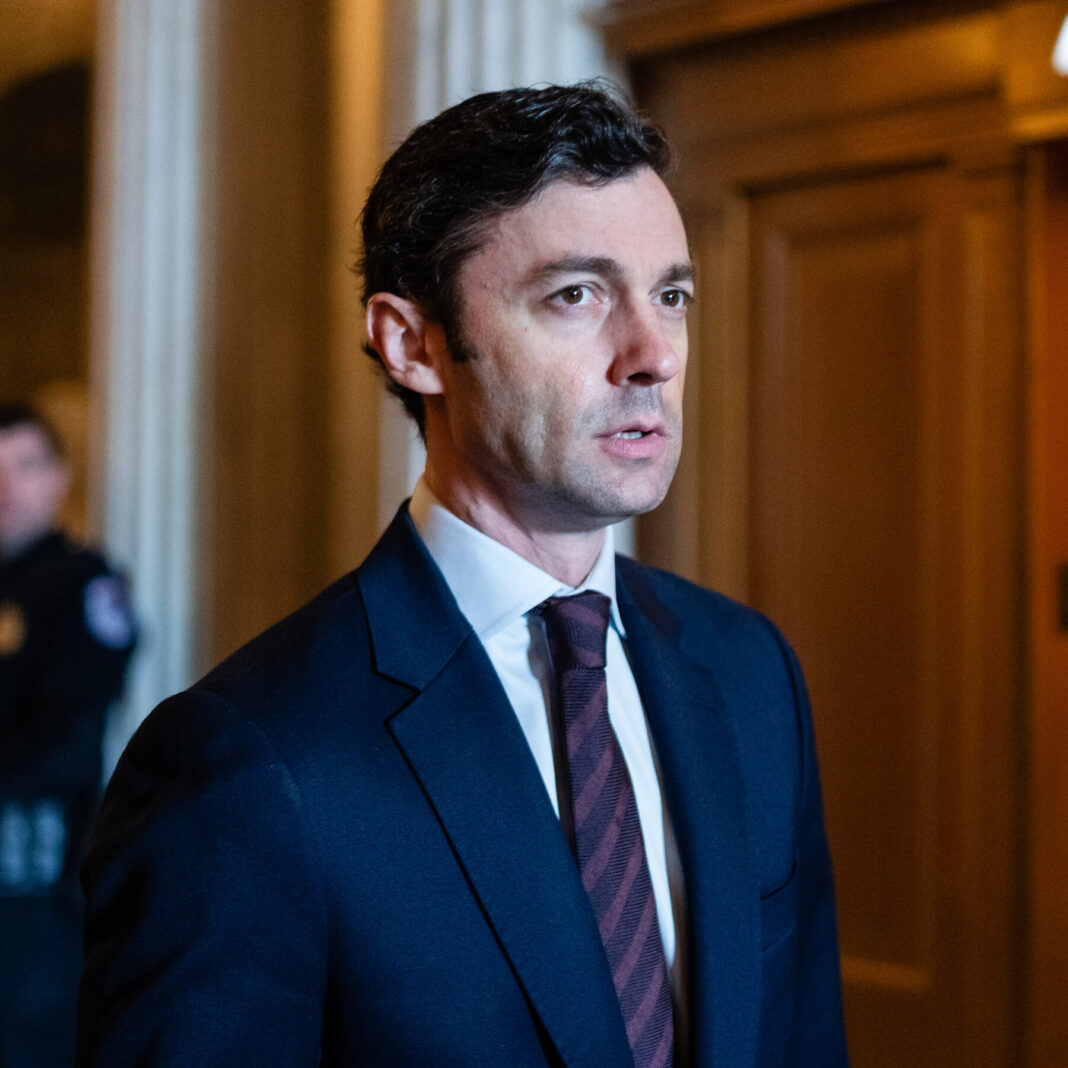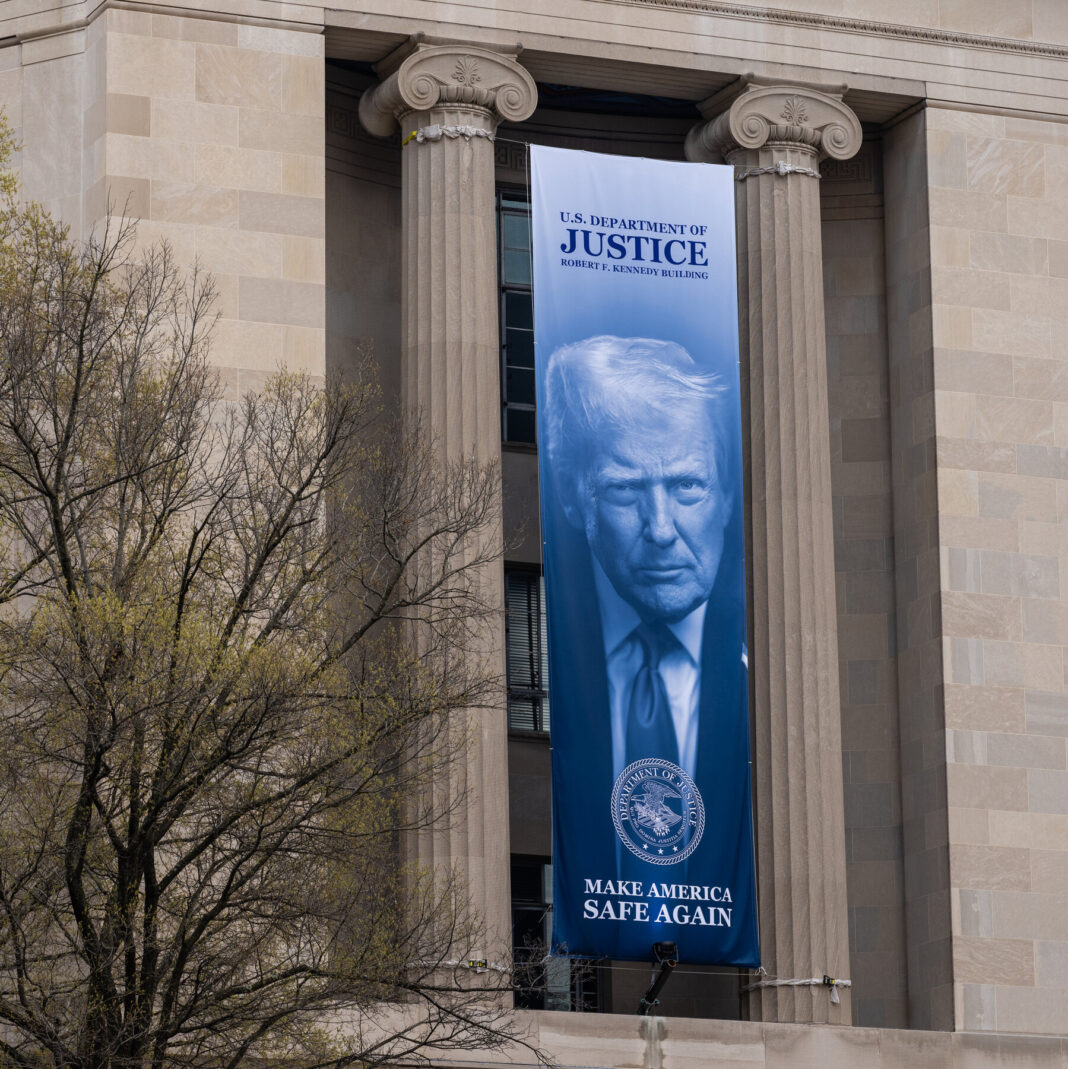
The Trump administration is establishing a $1.776 billion “anti-weaponization” fund. The fund is intended to compensate individuals who claim they were wronged by the federal government. Critics argue the payout pool could largely benefit the president’s political allies.
The fund is a central piece of the administration’s broader effort to address what it calls the “weaponization” of government agencies. Supporters say it is necessary to correct past abuses of power. Opponents view it as a potential slush fund for political favors.
The name “anti-weaponization” reflects Trump’s long-standing criticism of federal investigations into his administration and supporters. The fund is designed to cover legal fees, lost income, and other damages for those targeted by government actions.
The $1.776 billion figure is symbolic, referencing the year of American independence. This choice reinforces the administration’s narrative of fighting for individual rights against an overreaching state.
The fund is expected to be administered by a new office within the Treasury Department. The office will review claims and determine eligibility. No independent oversight panel has been announced, raising transparency concerns.
Eligibility criteria remain vague, but early reports suggest the fund will cover individuals investigated by the FBI, IRS, or other federal agencies during the Biden administration. This has led to accusations that the fund is a partisan tool.
Legal experts warn the fund could face constitutional challenges. They argue it may violate separation of powers by using taxpayer money to settle political grievances. The administration maintains it is a lawful exercise of executive authority.
The creation of the fund has already sparked fierce debate in Congress. Democrats have vowed to investigate its operations. Republicans have largely supported the initiative as a necessary corrective measure.
The fund is set to launch in early 2026. Its impact on future federal investigations and public trust in government remains uncertain. The administration is moving forward without waiting for legislative approval.