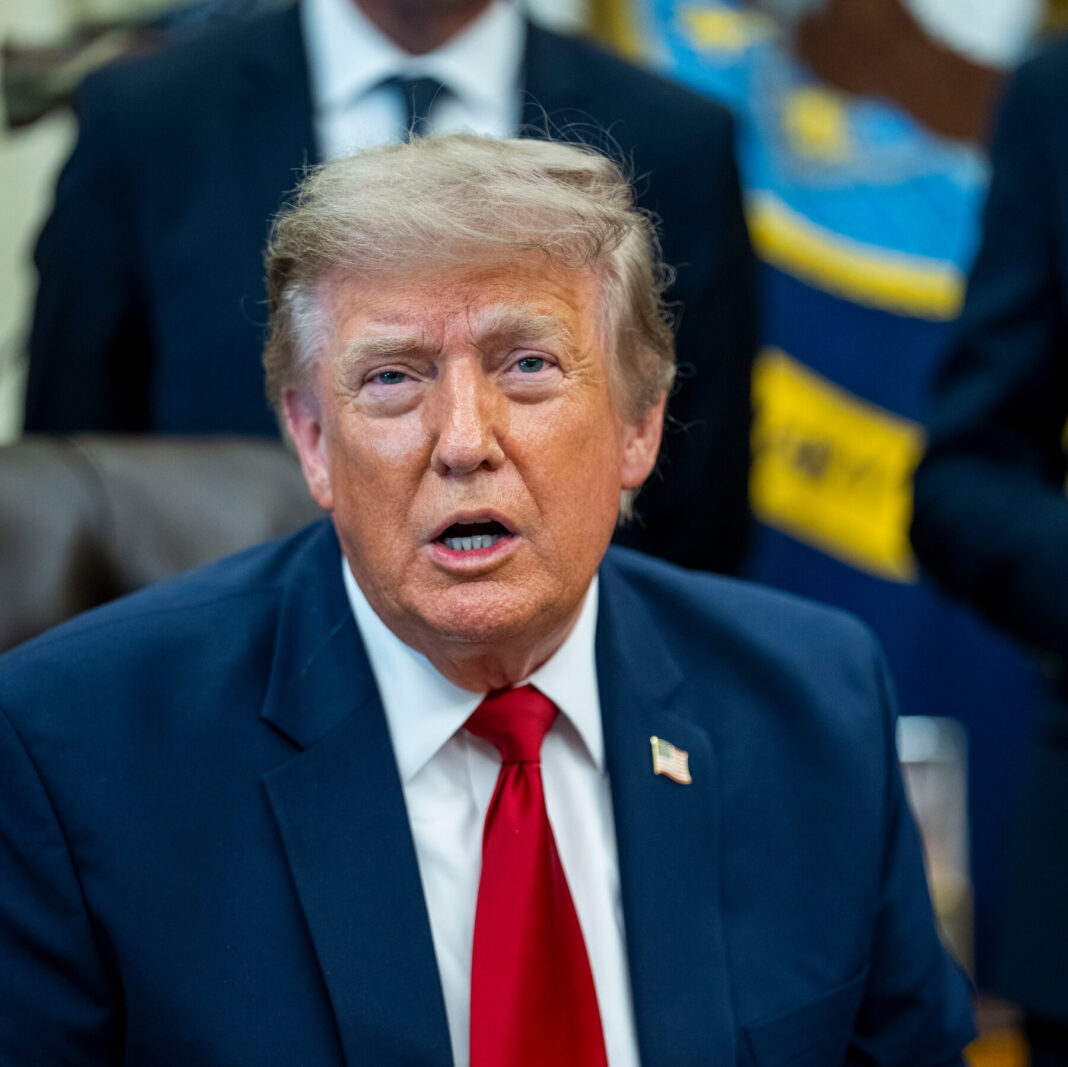
President Trump has unveiled a plan to impose a 20 percent toll on cargo passing through the Strait of Hormuz. The announcement came despite his administration’s own legal experts determining that such fees violate international law.
The Strait of Hormuz is a vital waterway for global oil shipments. Approximately one-fifth of the world’s petroleum passes through it daily. Trump’s proposed fee would apply to all commercial vessels transiting the strait.
The plan is intended to pressure Iran and generate revenue. Critics argue it could disrupt energy markets and raise global fuel prices. Legal scholars note that international maritime law restricts unilateral tolls on international straits.
The administration has not detailed how the toll would be enforced. The Pentagon has expressed concerns about potential military confrontations with Iran. Iran has previously threatened to block the strait in response to sanctions.
Analysts warn the toll could also strain relations with key allies. Many European countries rely on oil shipments through the waterway. They have not yet formally responded to the proposal.
The announcement marks a reversal of longstanding U.S. policy. Previous administrations opposed any tolls on the strait to maintain free navigation. Experts say the legal justification for the fee appears thin.
The White House has not set a timeline for implementing the toll. It remains unclear whether Congress would need to approve the measure. The proposal is likely to face legal challenges if enacted.