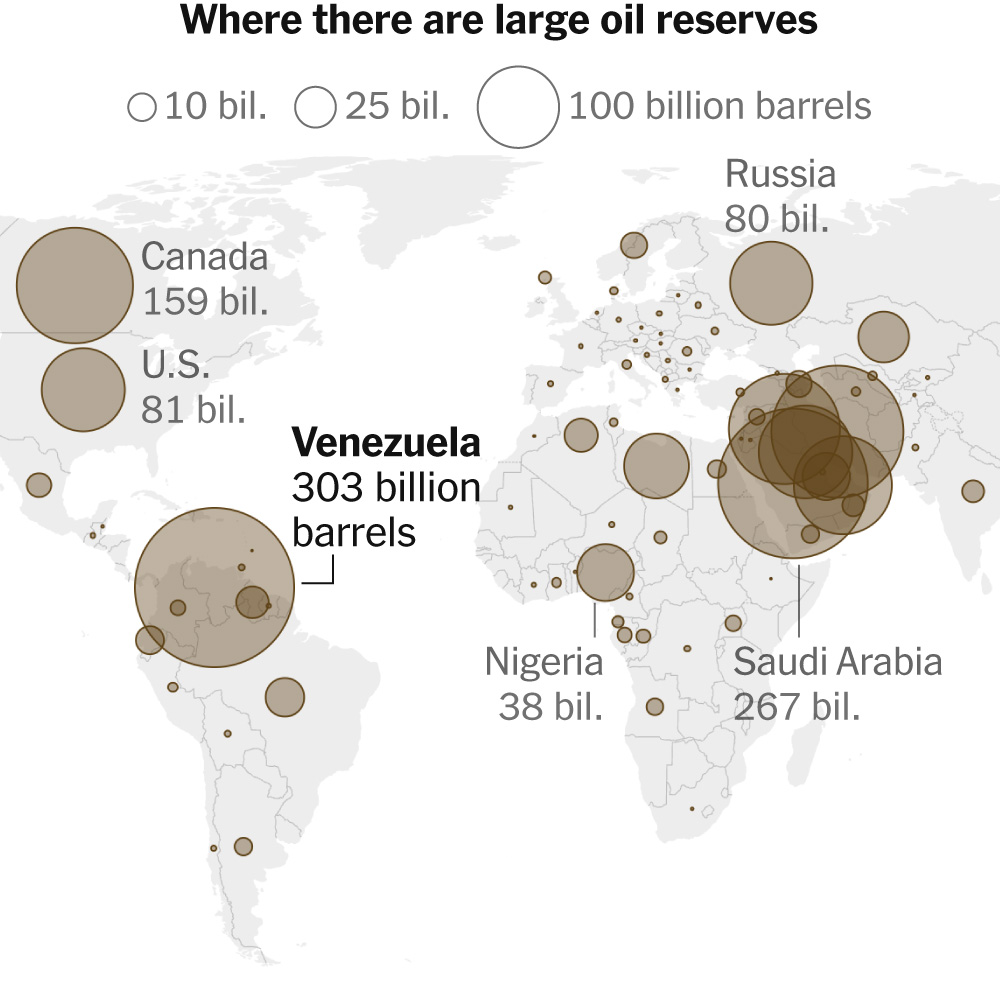
The Trump administration has reached a deal with a private oil company to expand production in Venezuela, though experts say significant output increases could take years to materialize. The agreement marks a notable shift in U.S. energy policy toward the South American nation.
Under the terms of the arrangement, the company will receive authorization to operate in Venezuelan oil fields that have suffered from years of underinvestment and sanctions. The deal aims to bring additional barrels to the global market amid ongoing supply concerns.
However, industry analysts caution that reviving Venezuela’s oil infrastructure is a complex undertaking. The country’s production capacity has plummeted from roughly 3 million barrels per day in the 2000s to current levels below 1 million. Decades of neglect, equipment failures, and a brain drain of skilled workers pose substantial hurdles.
The timeline for any meaningful production gains remains uncertain. Even under optimistic scenarios, experts estimate that restoring output to pre-crisis levels could require several years of sustained investment and operational repairs. The deal’s success also depends on political stability and the enforcement of existing sanctions relief.
Supporters of the agreement view it as a pragmatic step to stabilize energy markets and engage with Venezuela’s private sector. Critics, however, argue it may provide economic relief to the Maduro government without sufficient guarantees for democratic reforms or humanitarian improvements.
The arrangement is not a blanket lifting of sanctions. It applies narrowly to the specific company involved, with separate approvals still required for broader industry participation. This piecemeal approach reflects the administration’s balancing act between energy security goals and foreign policy constraints.
Negotiations remain ongoing regarding payment structures and the use of revenues. Details on how funds will be allocated—whether toward debt repayments, domestic spending, or foreign creditors—remain unclear. These financial terms will likely influence the deal’s long-term viability.
For now, the agreement signals a cautious reopening of Venezuela’s energy sector to foreign investment. Whether it delivers tangible results will depend on execution, market conditions, and the resilience of the country’s aging oil infrastructure.