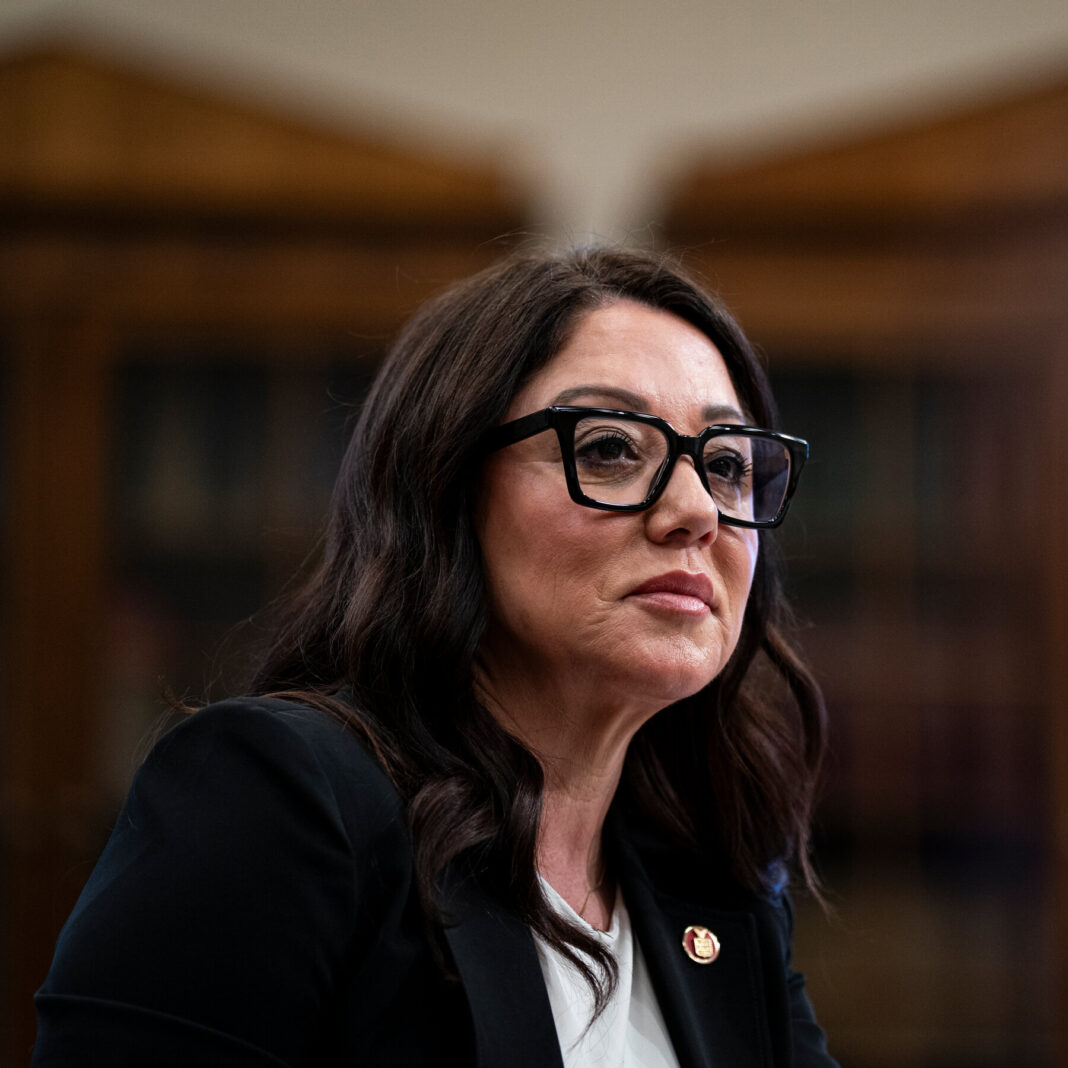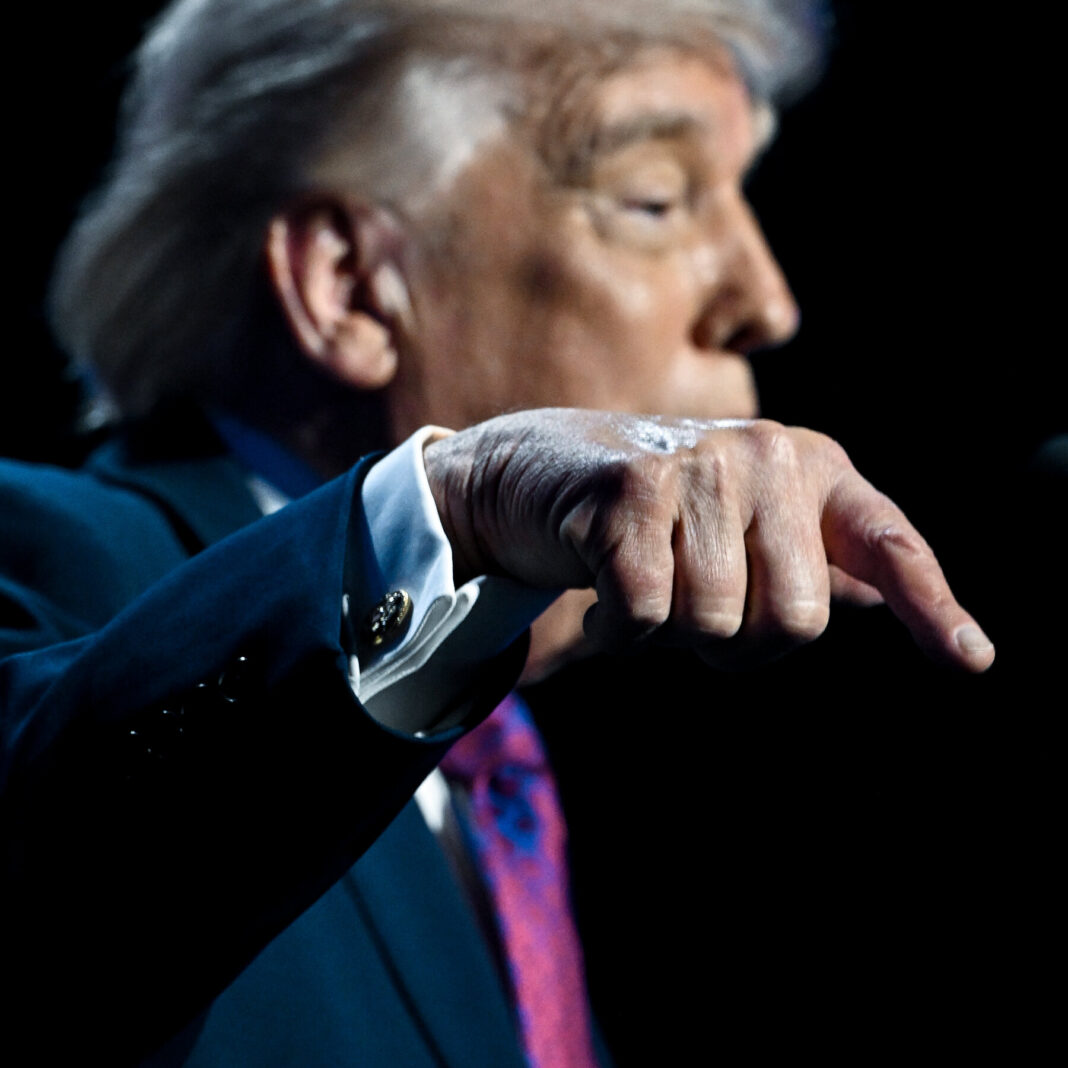
The United States and Iran are again attempting to reach a diplomatic agreement. Their fundamental approaches to negotiation, however, remain sharply at odds.
American negotiators typically seek concrete, verifiable commitments. They often push for rapid progress and clear timelines. This style prioritizes securing tangible outcomes quickly.
In contrast, Iranian diplomacy frequently emphasizes strategic patience. It views negotiations as a prolonged process of building leverage. Immediate concessions are often less valued than long-term positional strength.
This clash between immediate results and the long game defines the current dynamic. Each side’s history and political pressures reinforce these differing methods. Finding a middle ground presents a significant challenge.
Past negotiations have seen these styles collide, leading to impasses. The U.S. has expressed frustration with what it sees as delaying tactics. Iranian officials often perceive American demands as rushed and inflexible.
The success of new talks may hinge on mutual adaptation. Negotiators might need to blend short-term confidence-building steps with a longer-term framework. This requires navigating deep-seated mistrust on both sides.
The outcome carries implications beyond nuclear issues. It affects regional stability and global nonproliferation efforts. The diplomatic process itself tests whether these divergent philosophies can be reconciled.