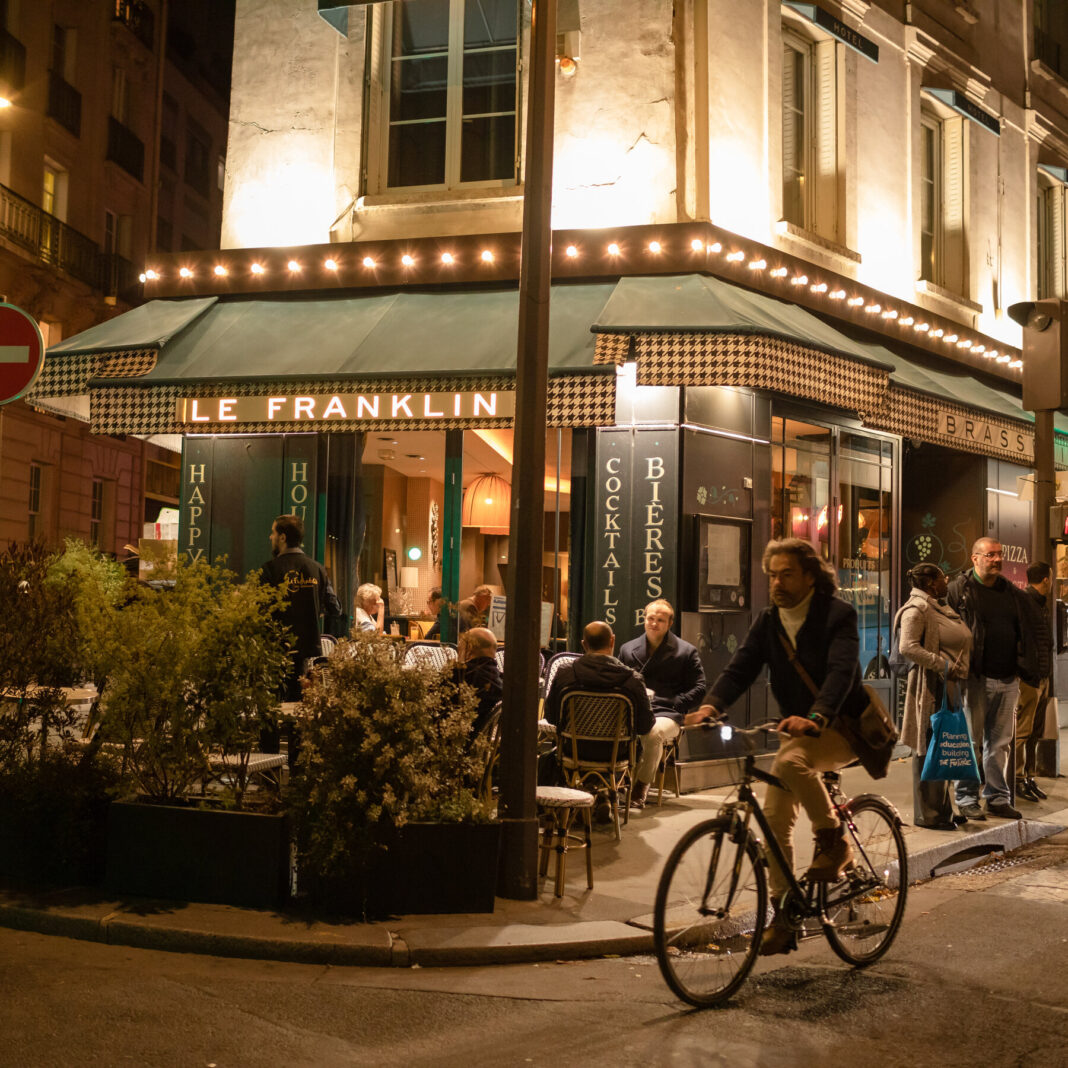
Walking the Streets of Ben Franklin’s Paris
An aging Benjamin Franklin crossed the Atlantic in 1776, braving rough seas and uncomfortable carriage rides to reach Paris. His mission was urgent: persuade the French monarchy to support the American rebellion. The journey succeeded, and France’s aid proved decisive for independence.
Franklin spent nearly nine years in the French capital, becoming a celebrity among the aristocracy and commoners alike. His diplomatic skill and scientific reputation opened doors closed to most foreign emissaries. Today, visitors can trace his footsteps through the city’s historic neighborhoods.
The Franklin trail begins at the Passy district, where the statesman lived in a comfortable house near the Bois de Boulogne. The building no longer stands, but the area retains its 18th-century charm with narrow streets and elegant courtyards. From there, a short walk leads to the Trocadéro, offering a panoramic view of the Eiffel Tower.
Another key stop is the Hôtel de Valentinois, a grand mansion where Franklin often met with French officials. The building now serves as a museum of decorative arts, preserving the atmosphere of Franklin’s era. Guided tours highlight his role in shaping early Franco-American relations.
Franklin’s presence was also felt at the Sèvres porcelain factory, which he visited to promote American trade. The factory’s archives include letters and notes exchanged between Franklin and its director. Visitors can see these artifacts alongside exquisite porcelain collections.
For a more immersive experience, the Musée Carnavalet offers a permanent exhibition on Franklin’s Paris years. Displays include his printing press, scientific instruments, and personal correspondence. The museum’s garden, where Franklin frequently strolled, remains a peaceful retreat in the Marais.
The journey ends at the American Church in Paris, near Franklin’s former residence. The church’s crypt contains a replica of his tombstone, a simple stone bearing his epitaph about “snatching the lightning from the sky.” It serves as a fitting tribute to a man who bridged two worlds.
Walking Franklin’s Paris requires comfortable shoes and a flexible itinerary. Many sites are spread across the city, but the route covers about 10 miles total. Public transportation makes most stops easily accessible for travelers with limited time.
For history enthusiasts, this walk offers a tangible connection to a pivotal moment in American and French history. It shows how one diplomat’s charm and intellect changed the course of nations. The streets of Paris still whisper his story.