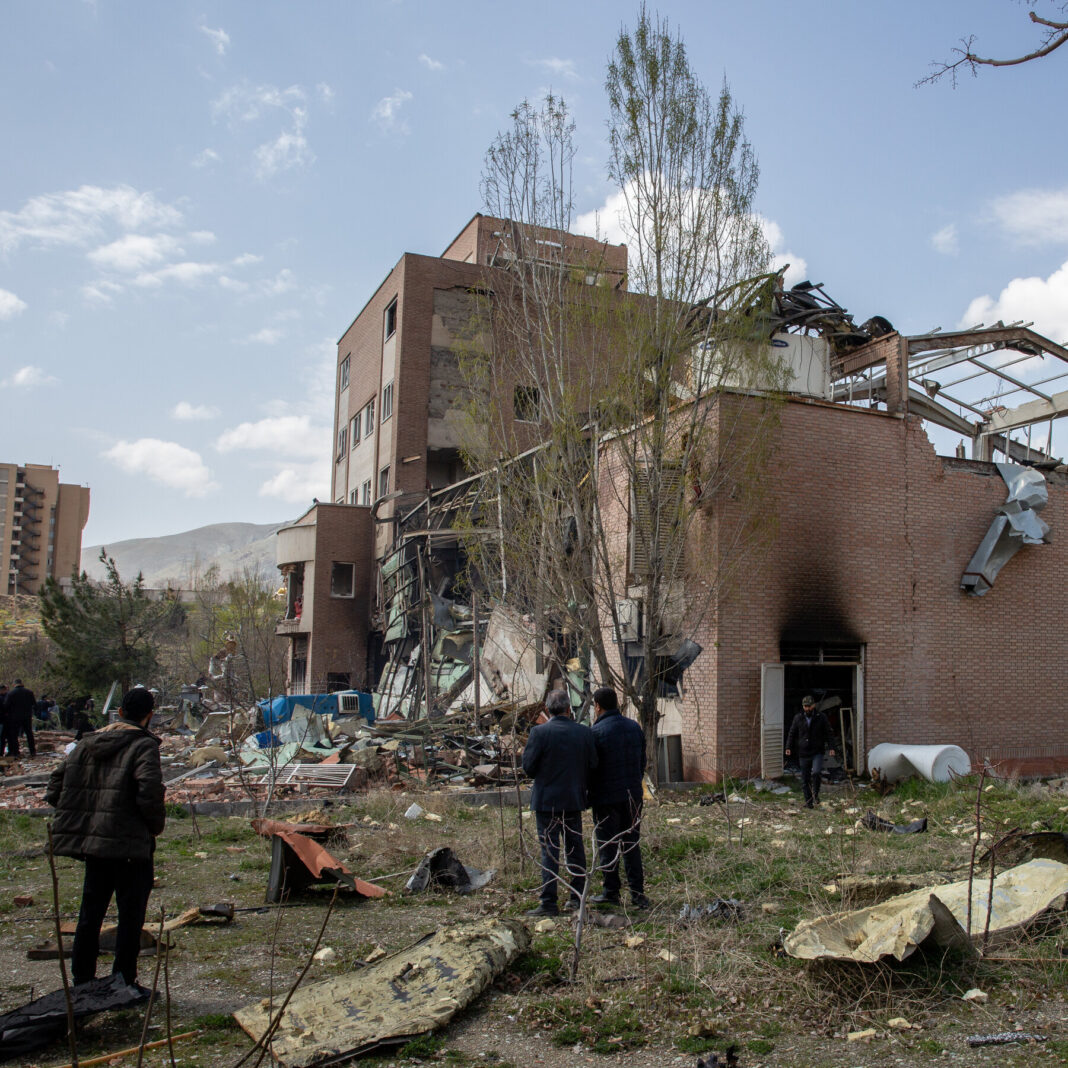
The U.S. military is consuming weapons at an unsustainable rate during its ongoing conflict in Iran, according to defense analysts. The rapid expenditure of precision-guided munitions and air-defense systems has raised concerns about the readiness of American forces for other global contingencies.
Stockpile depletion has become a focal point for Pentagon planners, who are now weighing the risks of continued operations in the Middle East against potential flashpoints elsewhere. The strain on supply chains is evident, with production lines struggling to keep pace with battlefield demand.
Russia and China are closely monitoring the situation, viewing the U.S. logistical challenges as a strategic opportunity. A prolonged war in Iran, some analysts argue, would further drain American resources while giving Moscow and Beijing time to modernize their own forces.
The erosion of U.S. firepower is not just a numbers game. It affects deterrence credibility, as allies and adversaries alike assess whether Washington can sustain multiple military commitments simultaneously. The Pentagon has yet to publicly detail the full scope of the shortages, but internal assessments suggest a tightening of inventories across several critical categories.
Efforts to ramp up production are underway, though the timeline for replenishment remains unclear. Defense contractors face hurdles, including raw material bottlenecks and a limited skilled workforce, which complicate any rapid surge in output.
The broader implications extend beyond the battlefield. The current strain echoes past conflicts, such as those in Iraq and Afghanistan, where extended campaigns left the military scrambling to rebuild its arsenal. However, the current threat environment is more complex, with near-peer competitors actively expanding their own capabilities.
Military leaders have called for increased investment in munitions stockpiles, but budget constraints and political gridlock in Congress present significant obstacles. Without a sustained funding commitment, the gap between what is needed and what is available could widen.
The situation in Iran serves as a stark reminder of the logistical realities of modern warfare. As the conflict grinds on, the Pentagon faces a difficult balancing act, trying to maintain operational tempo while safeguarding the capacity to respond to a potential crisis in Europe or the Indo-Pacific.