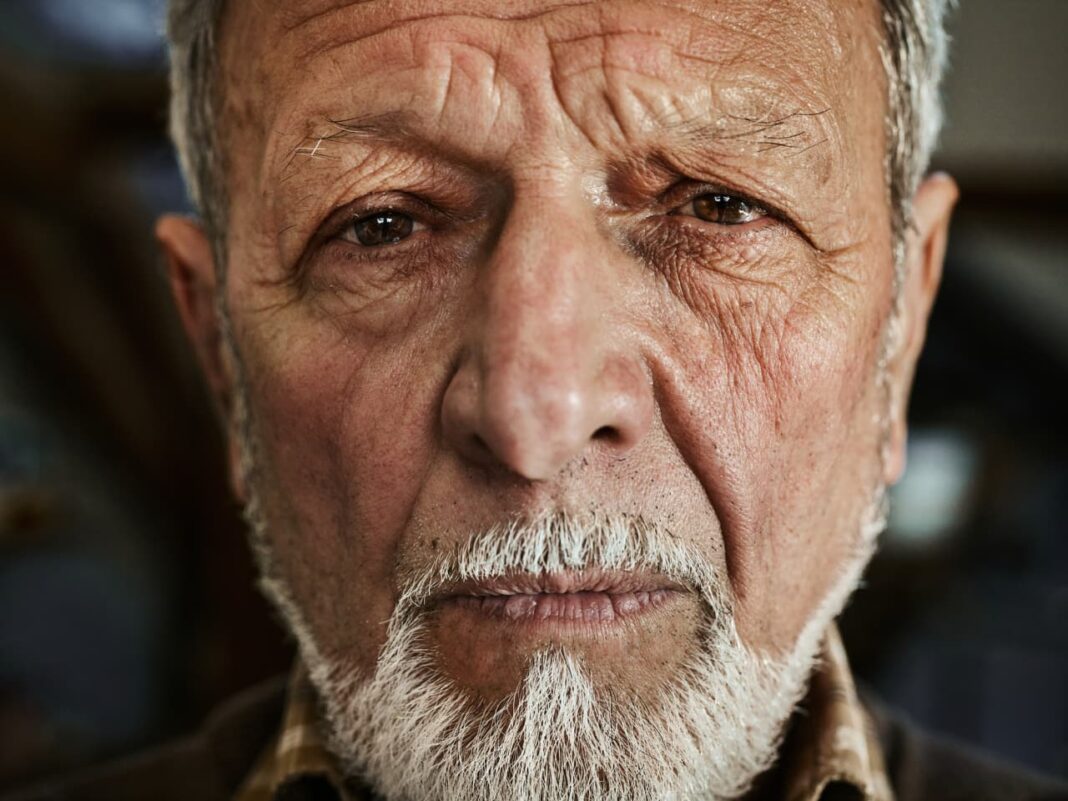
Why does almost nobody want to befriend older people, except scammers? That is the question posed by a recent personal essay that has resonated widely. The author, reflecting on their own experience, describes a profound social isolation that deepens with age. Genuine companionship becomes rare, while fraudulent attention becomes increasingly common.
The core of the problem lies in a painful observation: interactions with others often feel transactional. Many older adults report that contact from acquaintances or distant relatives frequently carries an underlying motive. This leaves them questioning the authenticity of the relationships they do have.
Scammers, the essay notes, are uniquely diligent in their pursuit. They dedicate time, offer consistent attention, and feign a deep interest in an older person’s life and well-being. This crafted intimacy stands in stark contrast to the neglect felt from those who should be natural companions.
This dynamic creates a perverse incentive. The author states a preference to leave their estate to people who spent time with them because they genuinely valued the company, not because of a potential inheritance. This sentiment highlights how financial planning becomes entangled with emotional neglect.
The lack of genuine friendship is not simply a matter of hurt feelings; it has tangible consequences for health and safety. Social isolation is a known risk factor for both physical and mental decline. Furthermore, the loneliness it breeds makes older individuals more vulnerable to exploitation by those who fake affection.
The essay criticizes a broader societal failure to integrate older people into daily life. Few structured opportunities exist for meaningful intergenerational connection outside of family obligations. When those familial ties are weak or absent, the social void becomes almost impossible to fill.
Ultimately, the author’s plea is not for charity but for authentic connection. The willingness to befriend an older person without ulterior motives is framed as a rare and precious gift. It is a call for communities to recognize the value of their elder members beyond what they can provide materially.