Memory chips have emerged as the dominant force behind the artificial intelligence boom, reshaping the semiconductor industry’s revenue landscape. Industry analysts project total semiconductor revenue will hit $1.5 trillion this year, with memory components accounting for the largest share of that growth. The shift marks a clear departure from previous cycles, where logic processors and graphics cards held the spotlight.
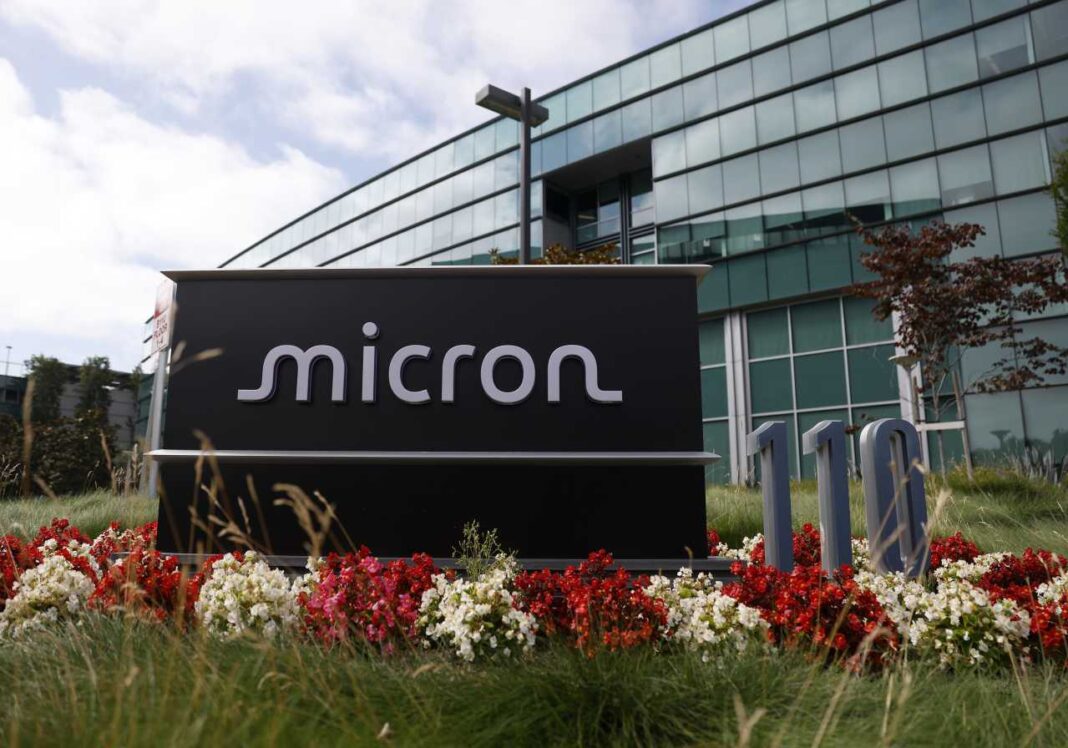
Micron Technology stands at the center of this transformation, leveraging its position in high-bandwidth memory and DRAM production. The company’s focus on AI-specific memory solutions has aligned its fortunes directly with the expansion of data centers and large-scale model training. Demand for these chips has surged as tech giants race to build out their AI infrastructure.
The memory market’s current strength stems from a supply-demand imbalance that has favored producers. Tight inventory levels and a cautious approach to capacity expansion among major manufacturers have kept prices elevated. This discipline contrasts with past downturns, when oversupply triggered sharp revenue declines across the sector.
Micron’s competitive edge lies in its early investments in next-generation memory technologies. High-bandwidth memory, a critical component for AI accelerators, requires complex manufacturing processes that few firms can replicate. That technical barrier has limited the field to a handful of players, reducing price competition and boosting profit margins.
The company’s financial results reflect this favorable environment. Recent quarterly reports show revenue growth driven primarily by AI-related demand, with data center sales outpacing traditional markets like personal computers and smartphones. Executives have signaled that this momentum is likely to persist as AI workloads become more complex and memory-intensive.
Still, challenges remain for the industry’s new leader. Cyclicality has long defined memory chips, and a sudden pullback in AI capital spending could flood the market with supply. Additionally, geopolitical tensions and export controls introduce uncertainty for firms with global manufacturing footprints.
Despite these risks, analysts argue that Micron’s current position differs from past peaks. Structural demand from AI applications appears more sustainable than the consumer-driven booms of earlier eras. The shift toward memory-intensive computing suggests the company’s reign may extend well beyond this quarter’s earnings.
For now, Micron’s trajectory underscores a broader change in the tech sector: memory chips, once treated as commodities, have become strategic assets. Their role in powering AI models has elevated their value and profitability. Whether that reign holds depends on the industry’s ability to balance growth with restraint.