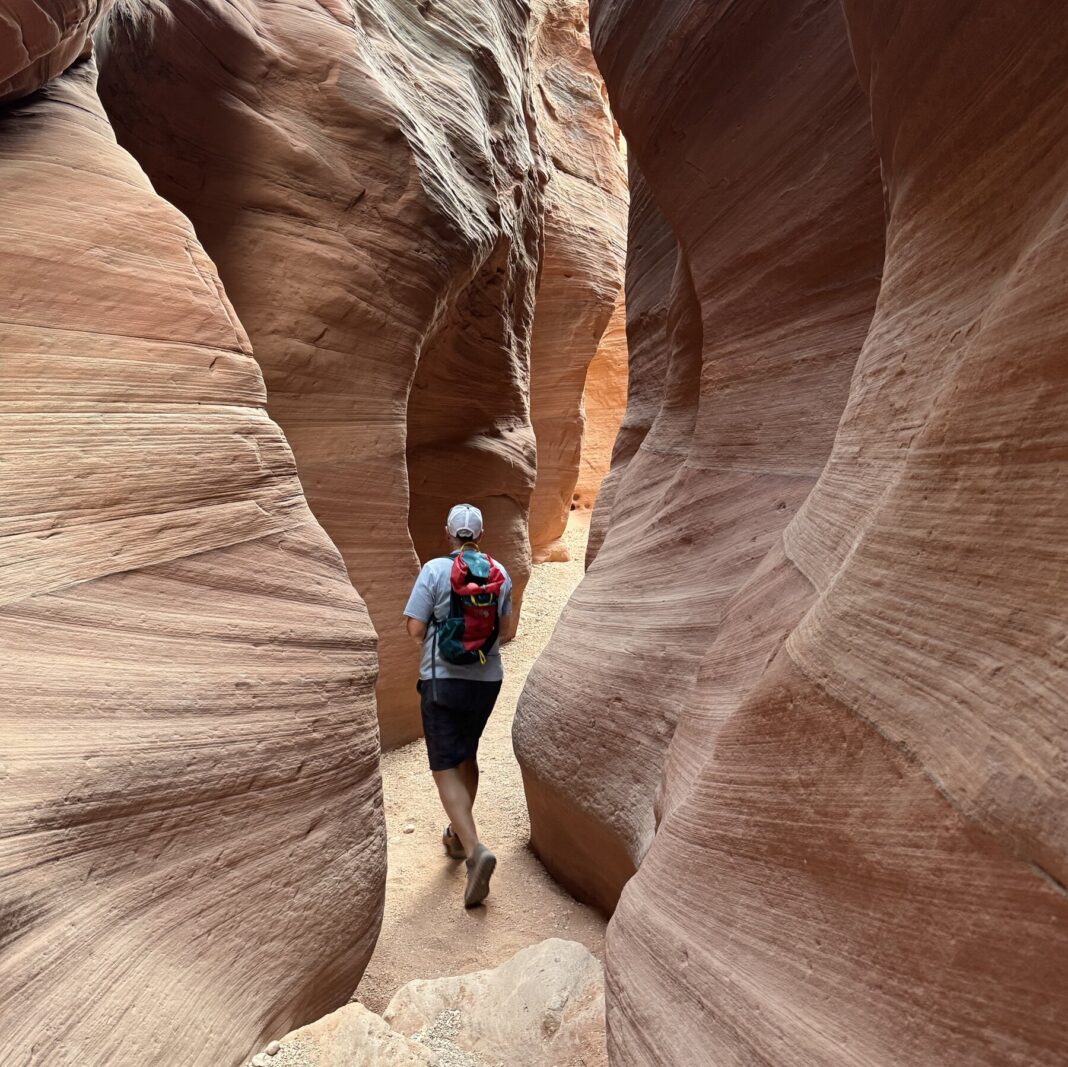
Six remarkable natural sites across the United States offer experiences rivaling those of the country’s most famous national parks, but without the overwhelming crowds. These destinations sit on public land managed by agencies like the Bureau of Land Management and the U.S. Forest Service. Visitors can explore slot canyons, lava tubes, and deep gorges while enjoying a sense of solitude that major parks often lack.
The first destination is a series of narrow sandstone passageways in the Southwest. These slot canyons, carved by flash floods over millennia, feature walls that glow with orange and red hues at midday. Hikers navigate the twisting corridors, some only a few feet wide, in an environment that feels both intimate and immense.
In the Pacific Northwest, a lava tube stretches for miles beneath a forested landscape. This cave, formed by volcanic activity thousands of years ago, maintains a constant cool temperature year-round. Visitors with flashlights can walk through the dark passages, observing unique mineral formations and the remnants of ancient molten flows.
A dramatic gorge in the intermountain West cuts through layered rock that records millions of years of geological history. The canyon walls rise hundreds of feet above a winding river, offering overlooks and a challenging rim trail. Birdwatchers frequent the area for its diverse raptor population, including golden eagles and peregrine falcons.
Another site features a vast expanse of sand dunes that shift constantly with the wind. These dunes, some reaching notable heights, border a high-desert ecosystem home to rare plant species. Visitors can hike to the tallest peaks for panoramic views or camp under a sky free of light pollution.
A lesser-known fossil bed in the Great Plains preserves the remains of prehistoric marine creatures. The site offers guided interpretive walks where visitors can see exposed bones and shells embedded in the rock. Paleontologists continue to study the area, uncovering new details about ancient ecosystems.
Finally, a remote coastal headland on the West Coast provides dramatic ocean views and tide pools teeming with life. The area’s trails wind through grassy bluffs and down to rocky shores, where visitors can observe starfish, anemones, and crabs during low tide. The site remains quiet even during peak season, making it a refuge for those seeking natural peace.
These six destinations highlight the diversity of America’s public lands beyond the national park system. Each offers unique geological features and recreational opportunities, often with more freedom for dispersed camping and fewer restrictions. For travelers willing to explore beyond the well-known markers, these places deliver awe in abundance.