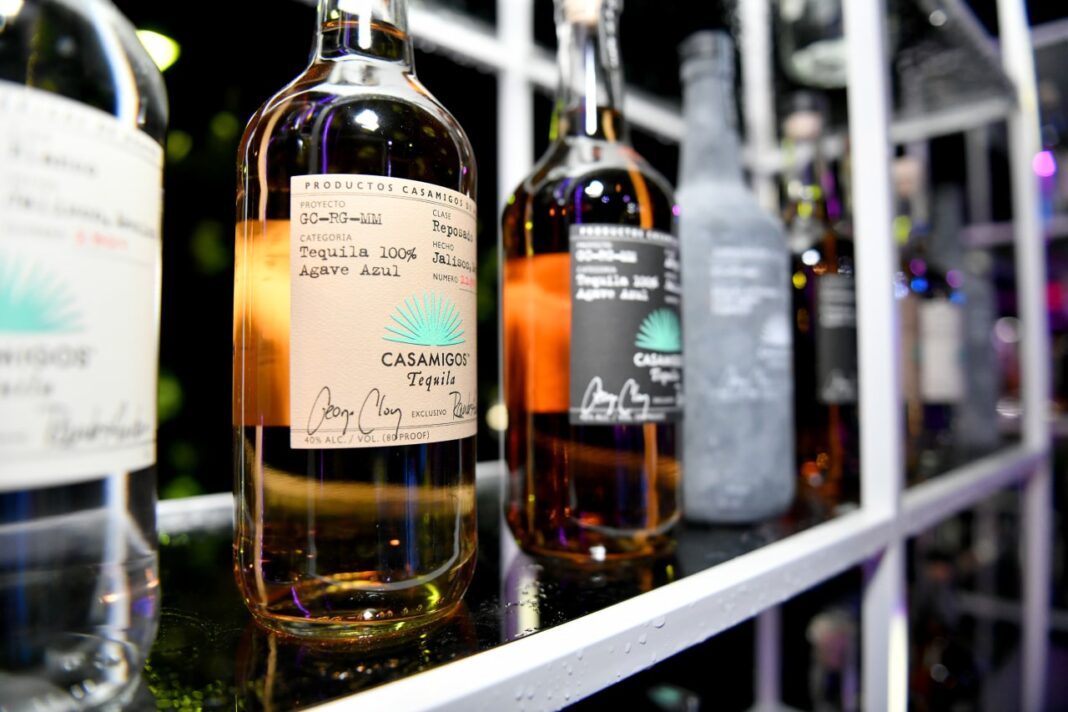
Liquor stocks have fallen sharply as younger consumers drink less. The decline in alcohol consumption is pressuring distillers’ revenues and profit margins. Investors are questioning whether the selloff has gone too far.
The current market conditions mirror patterns seen in the tobacco industry years ago. Big Tobacco faced declining usage rates but maintained strong pricing power. Distillers may follow a similar path by raising prices and focusing on premium brands.
Major liquor companies are reporting lower sales volumes across key markets. The trend is most pronounced in the United States, where health-conscious buyers are shifting away from traditional spirits. Market data shows a steady drop in per-capita alcohol consumption.
Distillers are responding by cutting costs and investing in non-alcoholic alternatives. Some companies are expanding their portfolios to include low-alcohol and alcohol-free options. These moves aim to capture new consumer segments while protecting existing revenue streams.
Valuations for liquor stocks have fallen to multiyear lows. The price-to-earnings ratios for major distillers now trade below historical averages. Analysts argue the market is overreacting to short-term trends.
The comparison to Big Tobacco highlights the potential for sustained profitability. Tobacco companies continued generating strong cash flows even as smoking rates declined. Liquor companies may similarly benefit from loyal customer bases and brand strength.
Investors face a difficult question about future demand. Demographic shifts suggest younger generations may never drink as much as their parents. But the industry’s ability to adapt and innovate could support long-term returns.
The selloff may create opportunities for patient investors. Distillers still produce high-margin products with strong pricing power. If the industry follows the tobacco playbook, current prices could represent a buying opportunity.