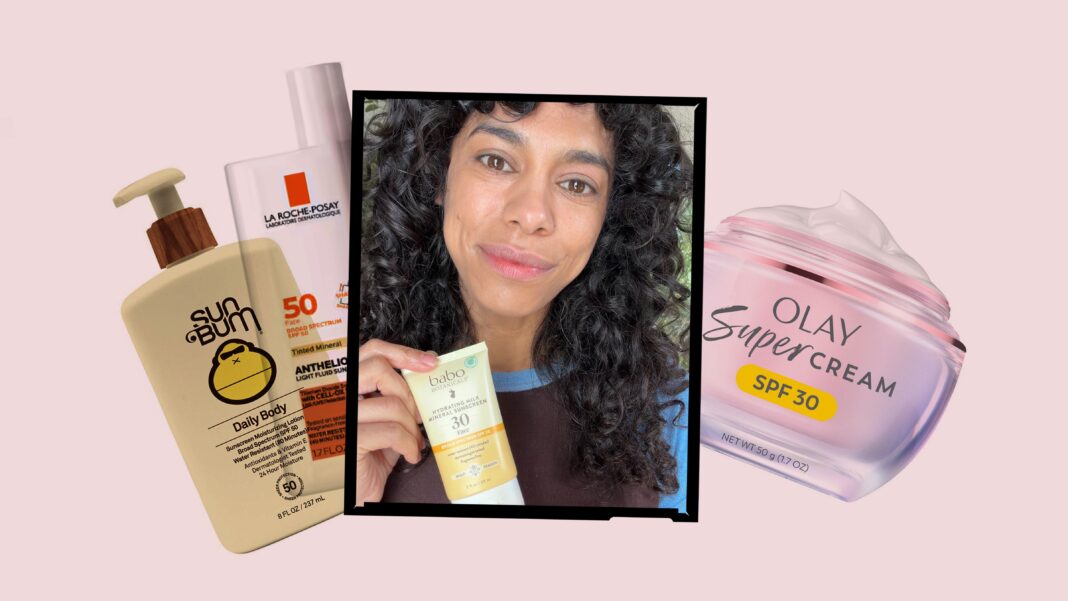
Are drugstore sunscreens as effective as their luxury counterparts? The short answer is yes, according to dermatologists. Price does not determine protection. The key factor is whether the product offers broad-spectrum coverage and an SPF of 30 or higher.
Many drugstore sunscreens now use the same active ingredients found in high-end brands. Zinc oxide and titanium dioxide appear in both price ranges. Chemical filters like avobenzone are also common across the board. The main difference often lies in texture and packaging.
Luxury sunscreens often focus on cosmetic elegance. They may blend more easily into skin or leave less of a white cast. They might also include extra skincare ingredients like antioxidants or peptides. These additions can improve the feel but do not boost sun protection.
Drugstore brands have improved significantly in recent years. Many now offer lightweight formulas suitable for all skin types. Tinted options and matte finishes are widely available. Consumers do not need to sacrifice comfort for affordability.
Price differences stem from marketing and branding costs, not from superior sun protection. A $10 sunscreen can perform just as well as a $50 one when applied correctly. The most important step is to use enough product and reapply regularly.
For those with sensitive skin, drugstore options can be a safe bet. Fragrance-free and hypoallergenic formulas are common. Patch testing still matters regardless of the price point. The goal remains the same: consistent, adequate coverage.
Ultimately, the best sunscreen is one that a person will use every day. That could come from a drugstore aisle or a department store counter. Spending more does not guarantee better protection. Smart choices start with reading the label, not the price tag.