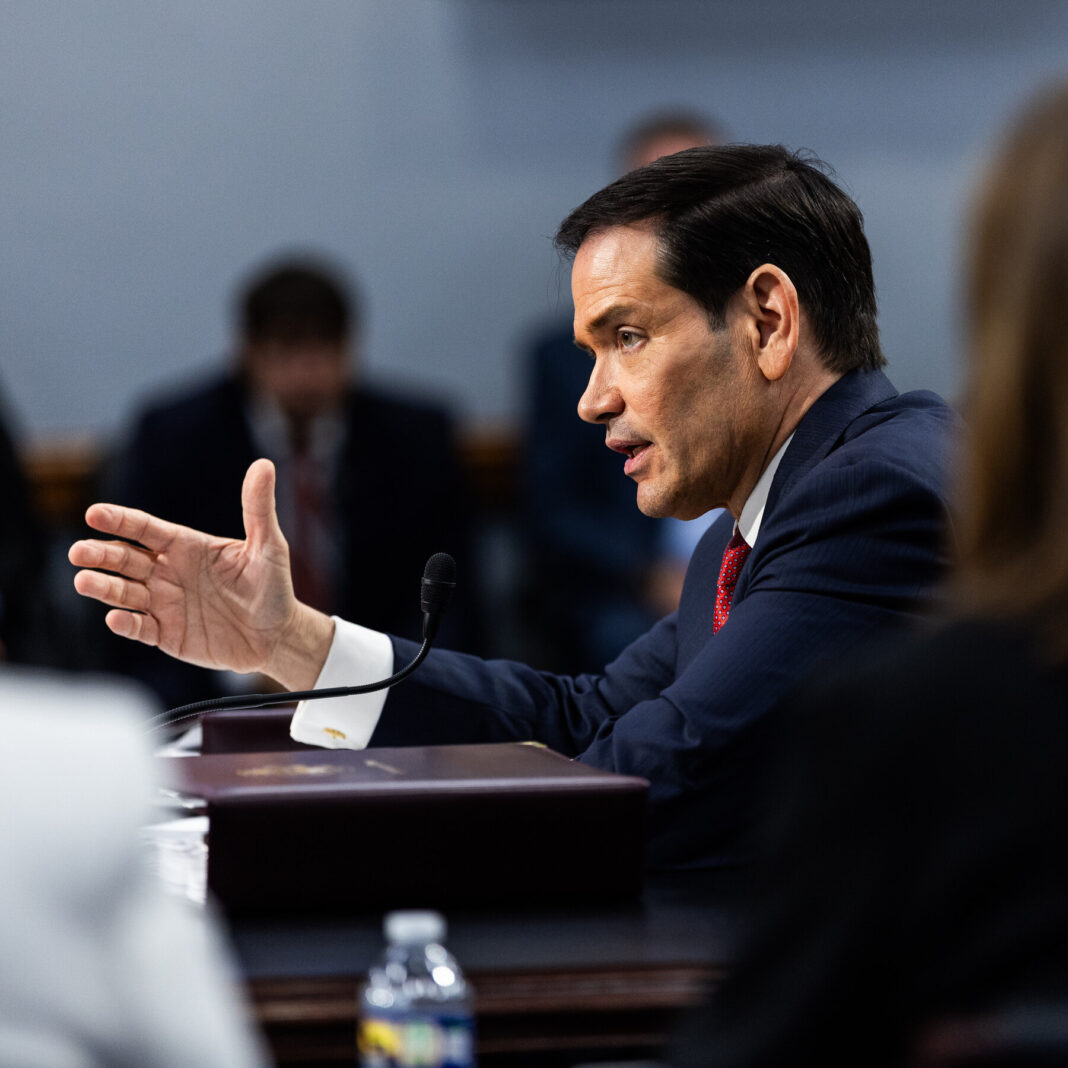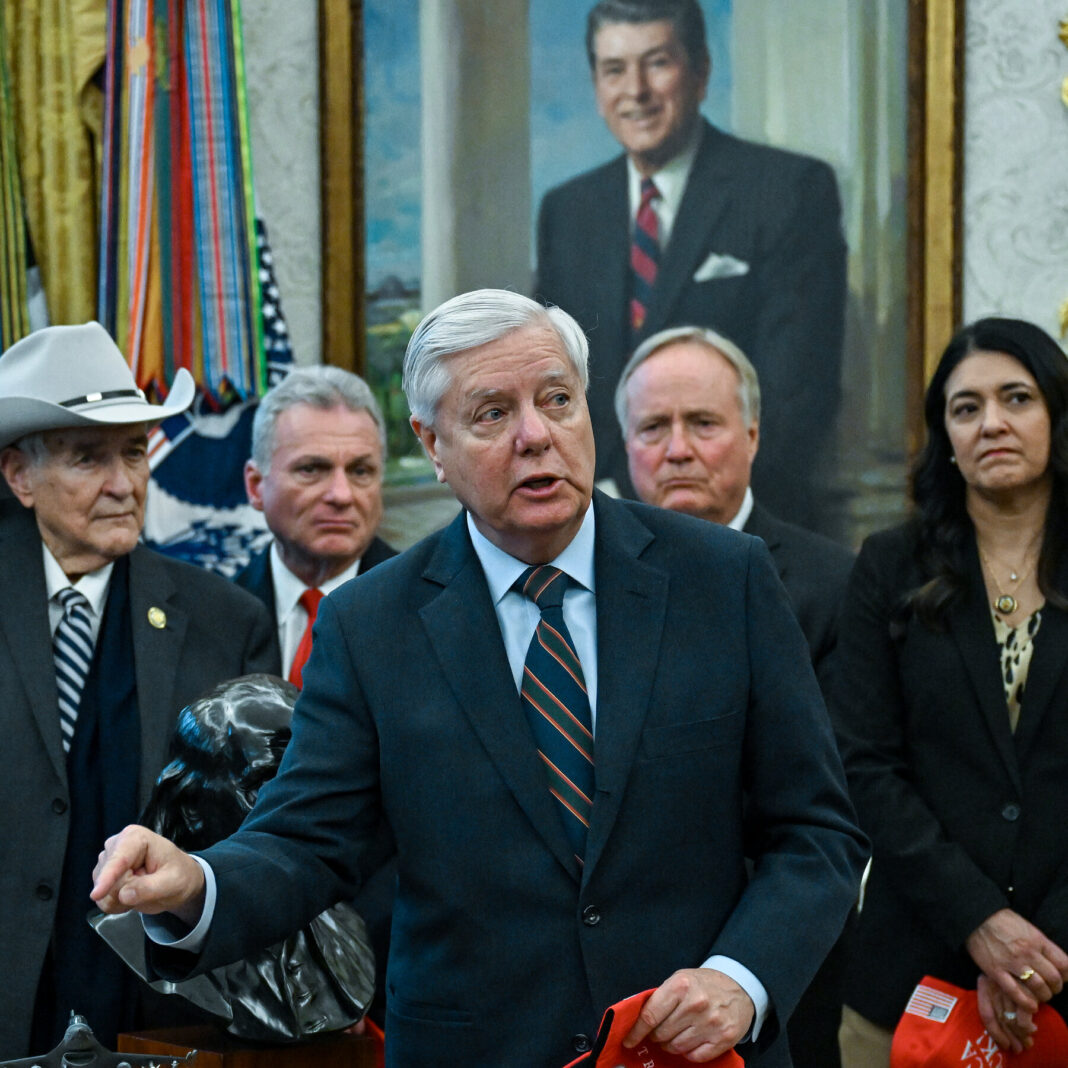
President Trump has suggested the United States could impose tolls or fees on vessels passing through the Strait of Hormuz, a key global oil transit chokepoint. The statement directly contradicts the positions of Vice President JD Vance and Secretary of State Marco Rubio, who have publicly stated that no country has the authority to do so.
The remarks signal a potential rift within the administration over maritime policy in the Persian Gulf. Vance and Rubio have both argued that international law prevents any single nation from unilaterally taxing international waters. Trump’s proposal appears to challenge that established legal understanding.
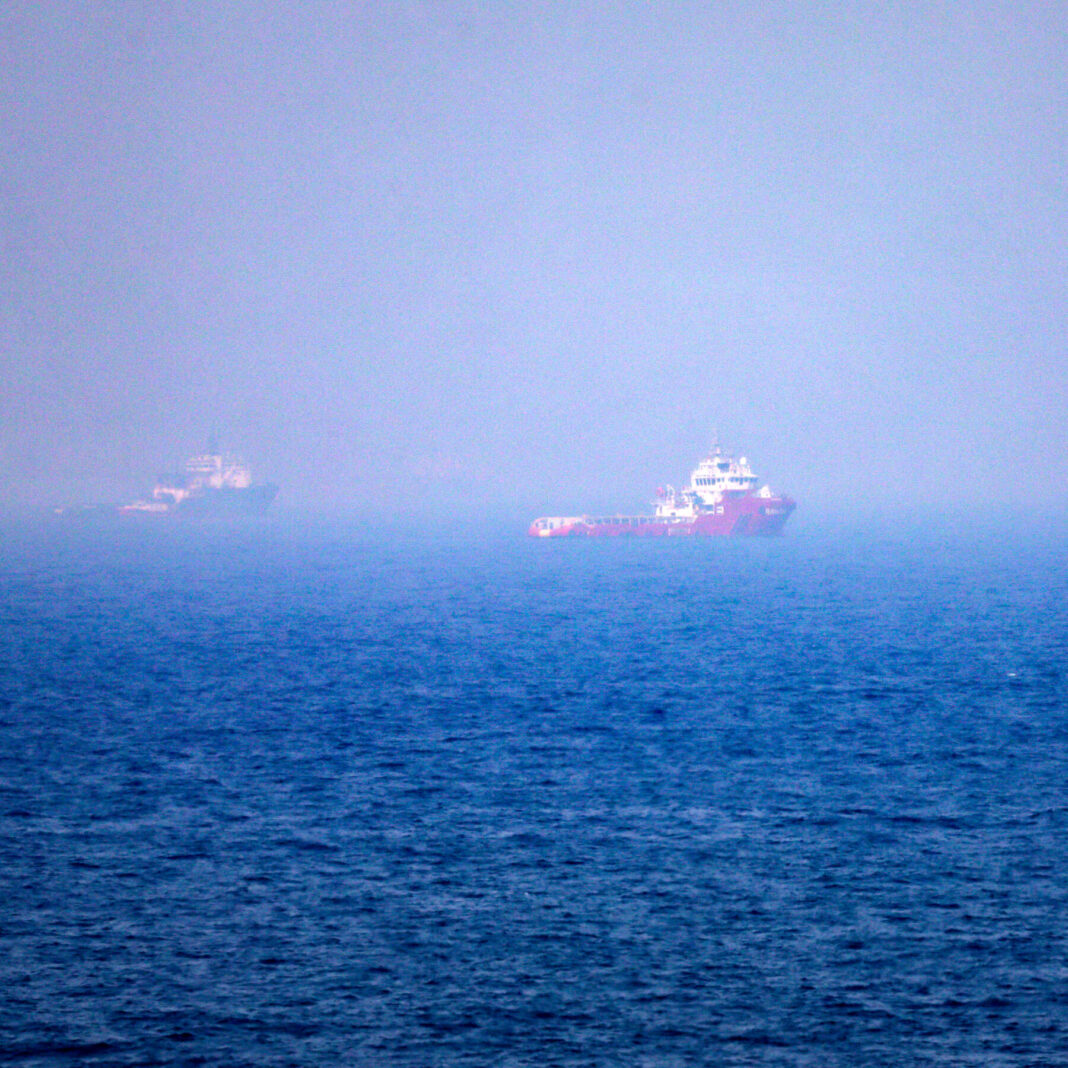
The Strait of Hormuz is a vital passage for nearly a fifth of the world’s oil supply. Any attempt to collect fees could escalate tensions with Iran, which has long threatened to disrupt shipping through the waterway. The move would also likely draw strong opposition from global trading partners.
Trump did not provide specifics on how such a fee system would be enforced. Past threats from the administration have sometimes been used as negotiating tactics rather than concrete policy shifts. It remains unclear whether the proposal has any internal support from defense or economic advisors.
The contradiction between Trump and his top aides highlights ongoing internal debate about the administration’s approach to Iran. Vance and Rubio have advocated for a more restrained foreign policy, while Trump has often favored aggressive economic pressure. This public dissonance could weaken the administration’s negotiating stance.
International observers are watching closely, as any unilateral fee could violate maritime treaties. The United Nations Convention on the Law of the Sea generally guarantees freedom of navigation through straits used for international shipping. Legal experts say such a fee would face immediate challenges in international courts.
For now, the proposal remains a rhetorical flourish rather than a formal policy. However, the public split between the president and his aides is unusual and invites scrutiny from allies and adversaries alike. The administration has not issued any follow-up statements clarifying its official position.