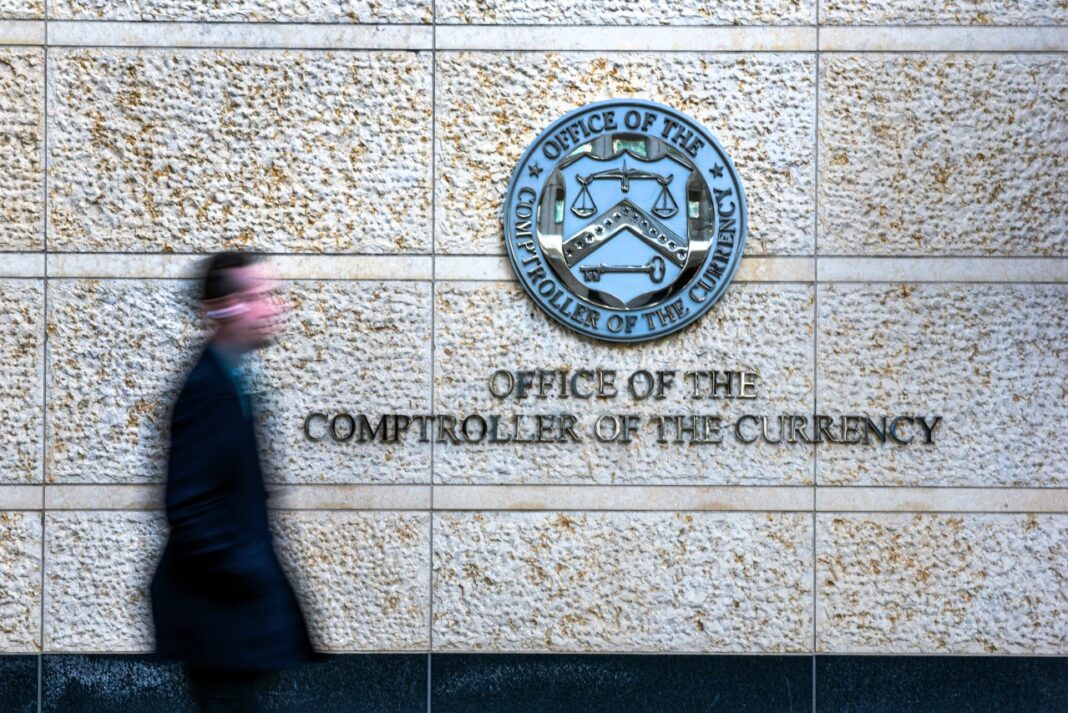
Trump financial regulators are urging banks to reconsider lending to undocumented immigrants. New guidance from federal agencies warns lenders about the risks tied to borrowers without work authorization.
The regulators outlined concerns about repayment stability and legal exposure. Banks are being asked to scrutinize such loans more closely under existing safety and soundness standards.
The guidance does not ban lending to this group. However, it signals a shift in regulatory tone from previous policies that encouraged broader financial inclusion.
Lenders offering mortgages, auto loans, or credit cards to undocumented immigrants may face increased scrutiny. Regulators argue these borrowers lack a reliable legal status and steady income documentation.
The move aligns with broader administration efforts to tighten immigration enforcement. Financial regulators said they aim to protect the banking system from potential losses tied to uncertain repayment capacity.
Some community banks had started serving undocumented immigrants using Individual Taxpayer Identification Numbers. The new guidance is expected to cool such lending activity.
Industry observers note that undocumented immigrants contribute billions in tax payments annually. The regulatory shift may reduce their access to basic financial services.
The guidance is not legally binding but carries significant weight during bank examinations. Lenders ignoring the warning could face higher capital requirements or other restrictions.
Consumer advocates argue the policy may push undocumented immigrants toward unregulated lenders. This could lead to higher costs and fewer consumer protections.
The guidance represents a clear departure from Obama-era regulatory approaches. It reflects the current administration’s emphasis on enforcing immigration laws through financial channels.