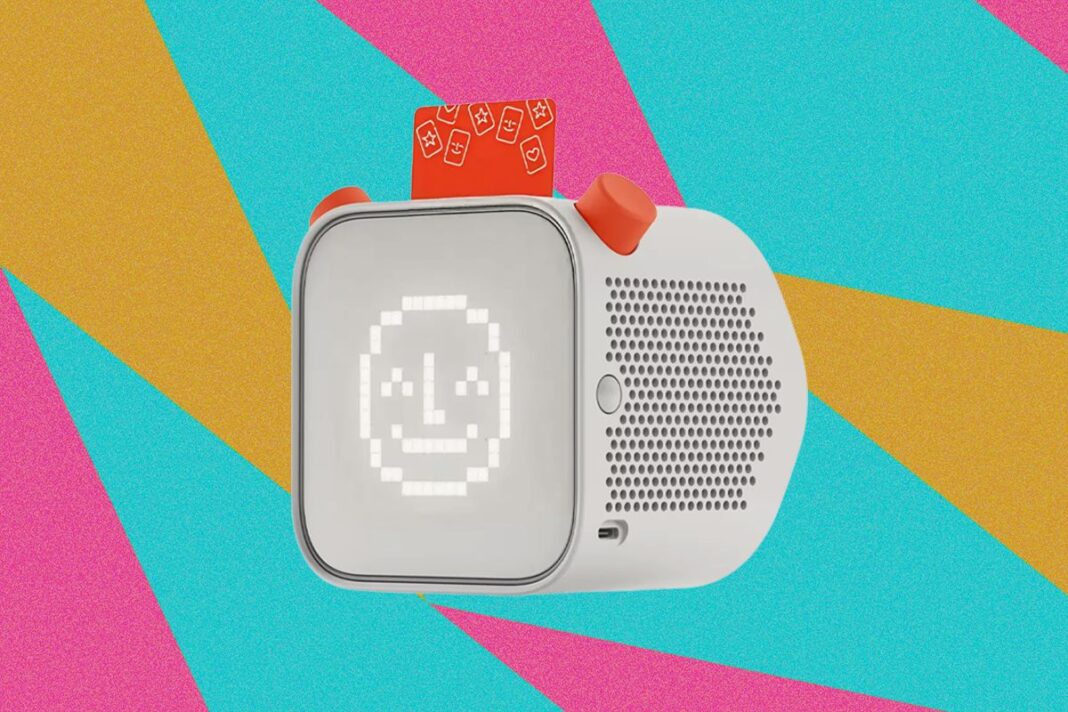
The market for children’s audio players has expanded rapidly, offering parents a range of options to replace screen time with imaginative listening. Devices like the Yoto Player and Toniebox have emerged as leaders, each with distinct approaches to accessibility and content control. These gadgets aim to provide a safe, tactile alternative to tablets and smartphones for young children.
The Yoto Player functions as a versatile speaker system that uses physical cards to trigger audio content. Children insert a card into the top of the device to play stories, music, or educational material. The device also includes an app for parents to manage content settings and purchase new audio packs. Its design targets a broad age range, with features that grow alongside a child’s reading skills.
Toniebox employs a different mechanism, relying on figurines placed on top of the box to play corresponding audio. Each Tonie character represents a specific story or song, and the operation is simple enough for toddlers to manage without parental help. The tactile nature of the figures appeals to younger users, who can swap characters easily. However, the library of Tonies is more curated, which may limit options for older children.
Several other players compete in this space, including the Lunii Storyteller and the Portaits by StoryPhones. The Lunii encourages interactive storytelling by letting children choose plot branches through button presses. StoryPhones offer a headphone-style player with wireless charging and a focus on independent listening for kids who prefer privacy. Each product attempts to solve the screen-free challenge with unique hardware and software choices.
Parents should consider factors such as durability, battery life, and the cost of expanding a content library. Yoto cards and Tonie figurines carry individual price tags, which can add up over time. The devices themselves vary in price, with premium models offering additional features like Bluetooth connectivity or built-in nightlights. User reviews often highlight the importance of audio quality, especially for repeated daily use.
Content ecosystems differ significantly between brands, affecting long-term value. Yoto provides a vast catalog, including licensed audiobooks and podcasts, while Toniebox focuses on original and classic stories. Lunii emphasizes French-language content initially, though English options are growing. Parents should verify whether a platform supports their preferred language and interests.
Battery life remains a practical concern, as children often carry these players on car trips or to bed. Most devices offer several hours of playback, but charging habits vary. The Yoto Player includes a battery that lasts for days with moderate use, whereas the Toniebox relies on a rechargeable pack with similar endurance. Headphone-style players like StoryPhones typically need more frequent charging.
Setting up parental controls is straightforward on most systems, yet the level of customization differs. Yoto’s app allows detailed scheduling and volume limits, while Toniebox keeps controls minimal for simplicity. For families with multiple children, some devices support multiple profiles to track listening progress separately.
Durability tests across parenting communities suggest that these players withstand drops and spills reasonably well. The Toniebox’s fabric covering and rounded corners make it a favorite for rough handling. Yoto’s plastic casing also proves sturdy, though its card slot requires care to prevent jamming.
Choosing the right audio player ultimately depends on a child’s age and a family’s listening habits. Toddlers benefit from the immediate feedback of Toniebox figures, while school-aged kids may prefer Yoto’s expansive library and interactive features. Older children might outgrow both and move toward standard Bluetooth speakers or smartphones.
Prices range from roughly $80 to $130 for the main devices, with additional content costs varying widely. Subscription options, such as Yoto’s membership, offer discounts on cards and exclusive content. Toniebox occasionally bundles figurines at a reduced price, though no formal subscription exists.
In summary, no single player dominates the market, and each purchase requires balancing simplicity against features. The Yoto Player suits families wanting longevity and customization, while the Toniebox excels in toddler-friendly operation. Alternative devices like the Lunii and StoryPhones provide niche solutions for specific needs. Parents should test these gadgets hands-on if possible to gauge a child’s reaction before committing.