Oil prices declined sharply on Monday, hitting a three-week low as investor hopes grew for a potential easing of tensions between the U.S. and Iran.
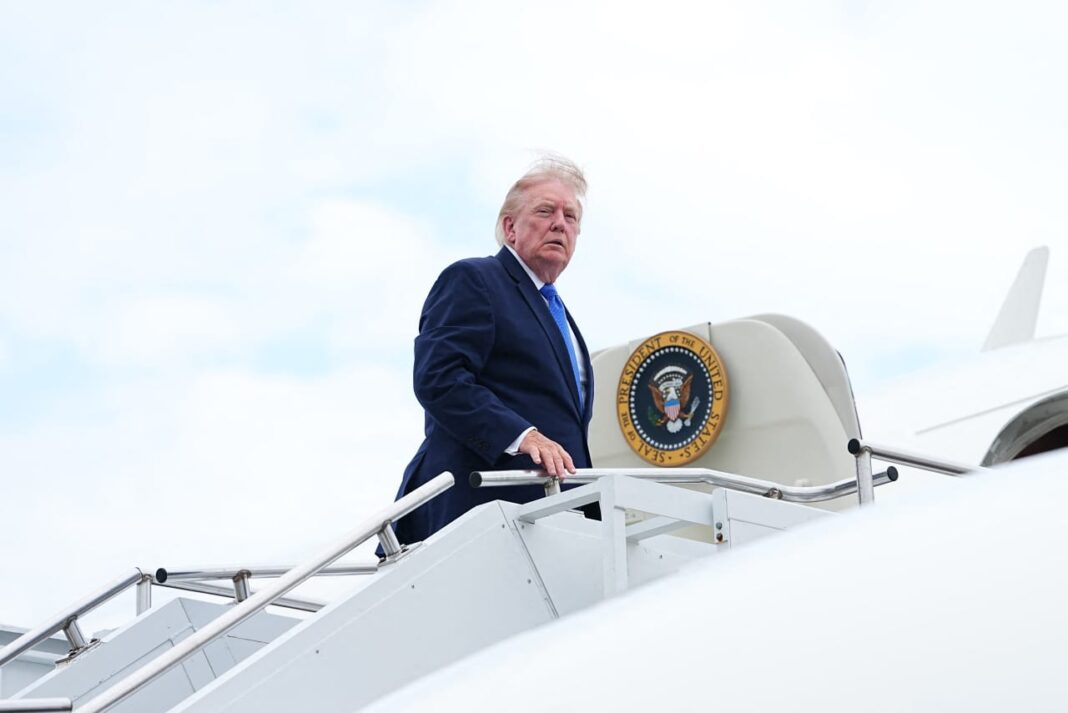
The drop followed President Donald Trump’s decision to call off a planned military strike against Iran, a move that reduced immediate concerns about supply disruptions in the Middle East.
Benchmark crude futures fell by more than 2% during trading, reflecting a broader shift in market sentiment away from risk premiums tied to geopolitical conflict.
Analysts noted that the cancellation of the attack signaled a possible path toward diplomatic engagement, though uncertainty remained over Tehran’s next steps.
Iran has not yet responded formally to the U.S. overtures, and market watchers cautioned that the situation could still escalate if new provocations emerge.
The price movement was also influenced by reports of softer global demand, which had already weighed on crude values in recent sessions. Inventory data from major economies showed builds, adding further pressure to the market.
Traders are now focusing on upcoming meetings between key oil-producing nations, with expectations of supply adjustments depending on how the geopolitical landscape evolves. Any renewed hostilities could quickly reverse the current price slide, according to energy specialists.
The decline in oil prices offers some relief to consumers, though analysts warned that volatility remains high. The market’s reaction highlights how sensitive crude values are to headlines from Washington and the Persian Gulf.