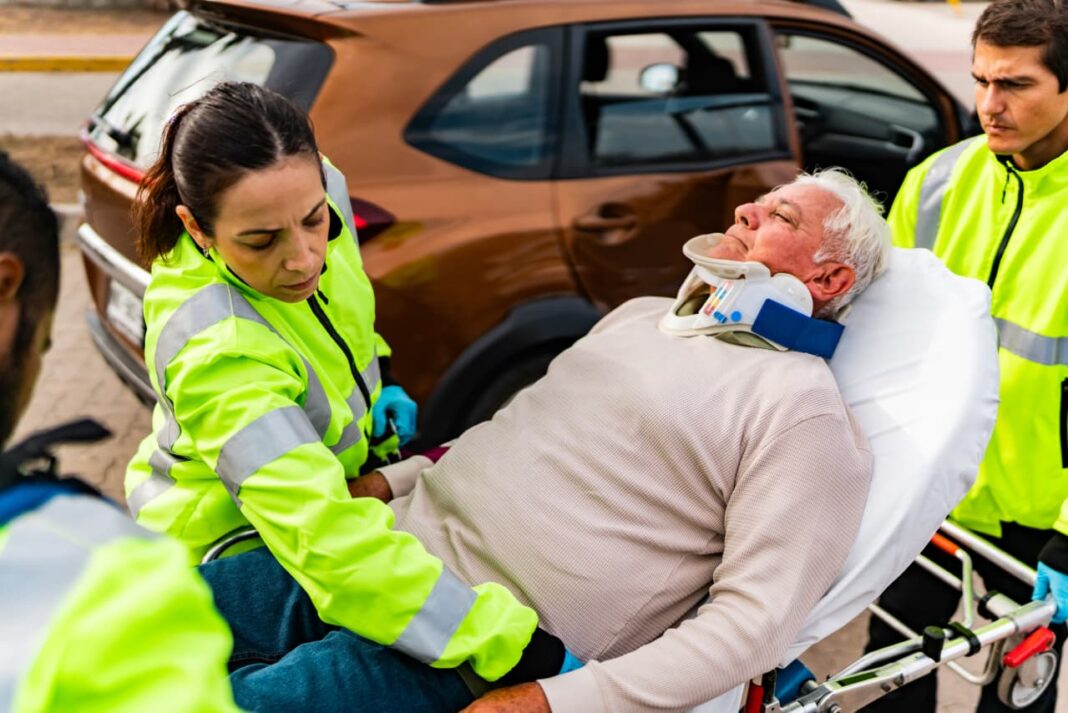
A teenager T-boned a car carrying a 70-year-old driver, leaving the victim with a head injury from the impact against the driver’s window. The accident raises a critical question for seniors: does Medicare cover hospital bills after a car crash that wasn’t their fault? The answer is yes, but with a major financial catch.
Medicare will pay for medically necessary services, including emergency room visits, inpatient hospital care, and follow-up treatments. However, the program does not act as primary coverage in auto accident cases. Coordination of benefits rules require other insurance sources to pay first.
In this scenario, the at-fault teenager’s auto insurance should cover the medical expenses up to policy limits. The victim’s own uninsured motorist coverage would also step in if the driver lacked sufficient insurance. Only after those avenues are exhausted does Medicare consider paying remaining bills.
The victim’s car was nearly 20 years old, and they only carried liability and uninsured motorist coverage. They did not have collision coverage, which would have paid for vehicle repairs. This gap leaves the car’s damage as a separate out-of-pocket loss, but medical bills remain the more pressing concern.
Medicare’s Secondary Payer Act prohibits the program from paying for expenses that another insurer should cover. If Medicare does make a conditional payment, it expects reimbursement from any settlement or judgment. Delays in claim resolution can leave patients facing letters from collection agencies while providers wait for payment.
Every state has different laws regarding no-fault insurance thresholds and coverage minimums. A personal injury attorney may help navigate these complexities, but legal fees could consume a portion of any settlement. Seniors should also note that Medicare Advantage plans follow similar coordination rules, though they may have different network restrictions.
Medical bills from auto accidents can exceed typical coverage limits quickly. A single emergency room visit with imaging and observation can cost thousands of dollars, and inpatient stays add substantially. Older adults face higher risks of complications, increasing the likelihood of lengthy treatment.
The takeaway for older drivers is clear: carry adequate auto insurance even if the car’s value is low. Medical coverage through one’s own policy can bridge gaps that Medicare will not fill. Consulting with both an insurance agent and a Medicare specialist before an accident occurs is the only way to ensure full financial protection.