Cosmetic technology is advancing beyond the scalpel. Patients seeking a brighter, more rested eye contour are increasingly turning to non-surgical alternatives. The question remains whether these in-office treatments can genuinely replace the dramatic results of a surgical blepharoplasty.
Energy-based devices are leading this shift. Radiofrequency and ultrasound platforms claim to tighten the skin around the upper eyelid. They work by delivering controlled heat to the dermis, which triggers a natural collagen contraction and remodeling process. This mechanism aims to firm the tissue without cutting it.
Several brands have released specialized applicators designed for the delicate periorbital zone. These handpieces are smaller and use lower energy levels to protect the eye itself. Practitioners often advise multiple sessions to achieve noticeable lifting. The effects are typically gradual, appearing over several weeks as new collagen forms.
Beyond devices, the market now includes prescription eye drops. Originally developed for glaucoma, these prostaglandin analogs have shown a side effect of increasing eyelid fullness. Off-label use has grown, with patients applying the drops to plump the lid margin and create a minor lift, though results are subtle.
A third category involves injectable fillers, a technique that requires extensive training. Some doctors use micro-droplets of hyaluronic acid to support the brow and upper lid. This approach addresses volume loss rather than excess skin, making it suitable for a different type of aging than what surgery typically corrects.
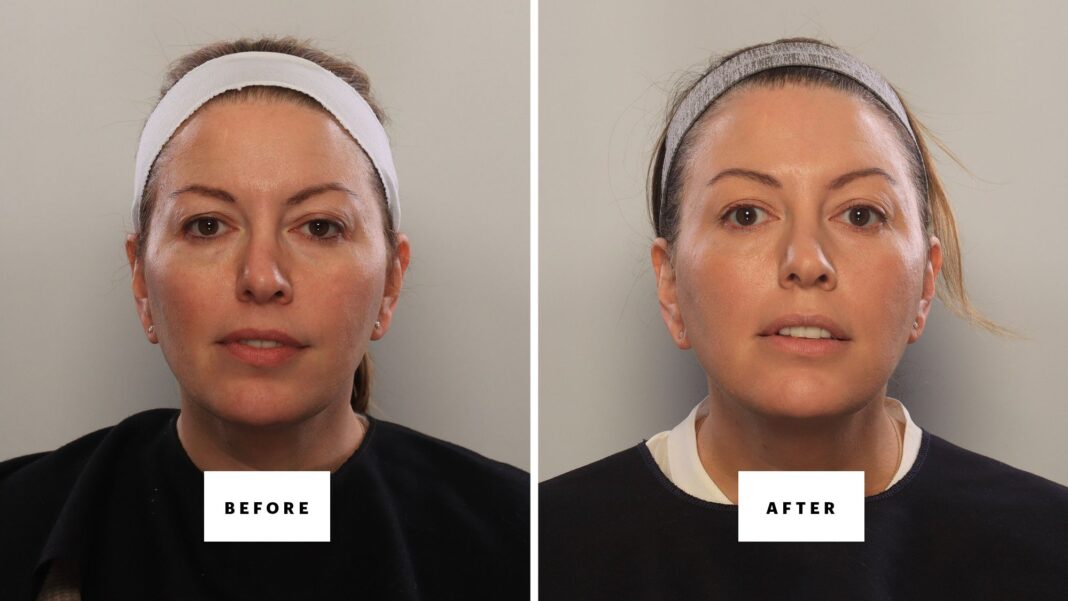
Trials comparing these methods to actual surgery reveal a clear gap. Non-invasive treatments can improve texture and add a slight firmness, but they cannot remove excess skin or reposition fat. The lifting effect is often measured in millimeters, whereas a surgical procedure can achieve a more significant structural change.
Downtime and side effects differ drastically across the options. Energy devices may cause transient redness, swelling, or minor crusting. Injectables carry a risk of bruising, lumps, or asymmetry. Eye drops can lead to darkening of the iris or changes in eye color with prolonged use. Surgery requires recovery time but offers permanent results.
For younger patients with minimal skin laxity, the non-surgical route may provide satisfactory maintenance. For those with heavy, sagging lids, the simulated lift from creams, devices, or drops generally falls short. The choice depends on individual anatomy, expectations, and the willingness to accept incremental gains versus a singular corrective procedure.
Professionals advise a consultation with a board-certified specialist for a realistic assessment. They stress that no topical or device can dissolve protrusions of fat that often cause the hooded appearance. The final decision hinges on a candid discussion about the desired outcome and the limitations of each technology.