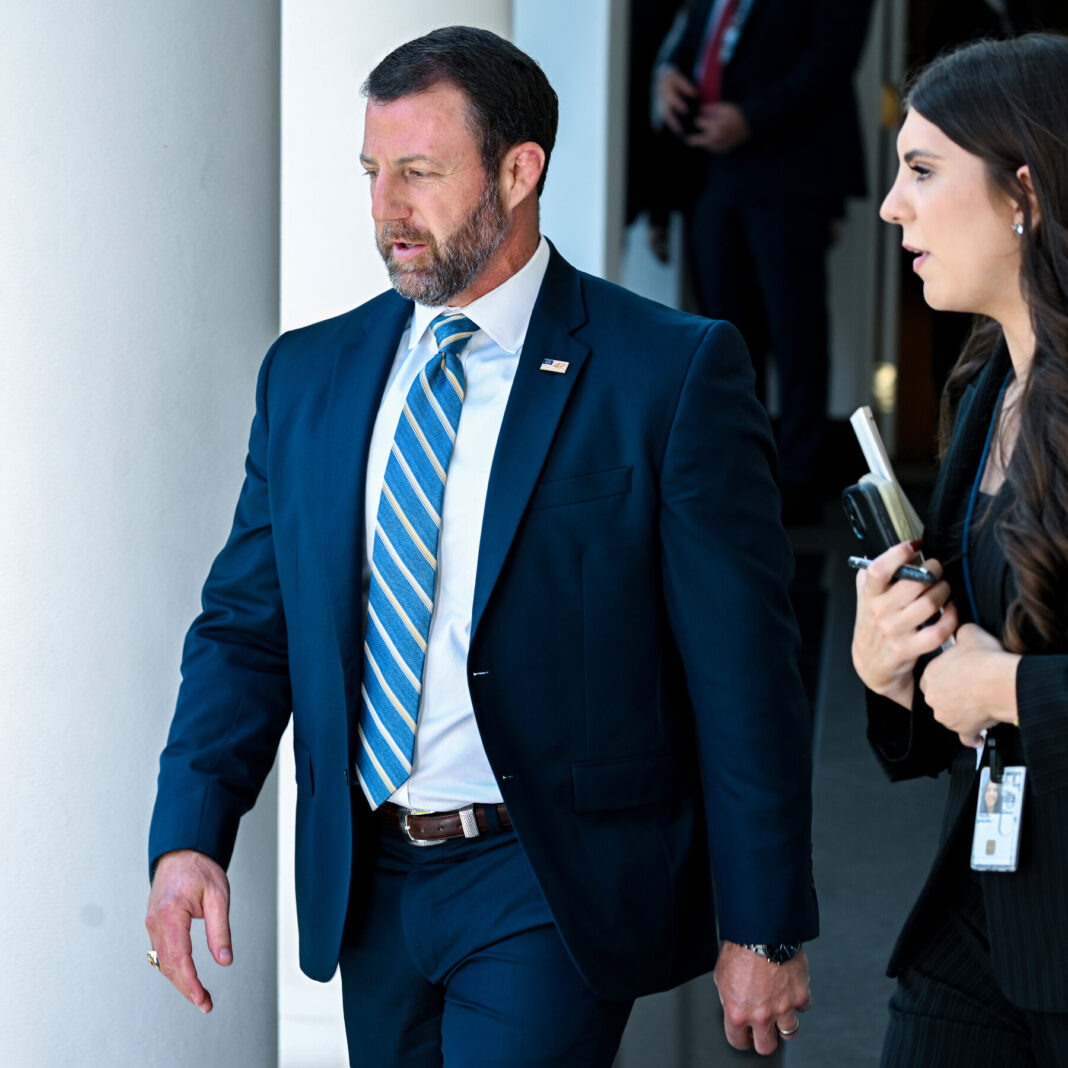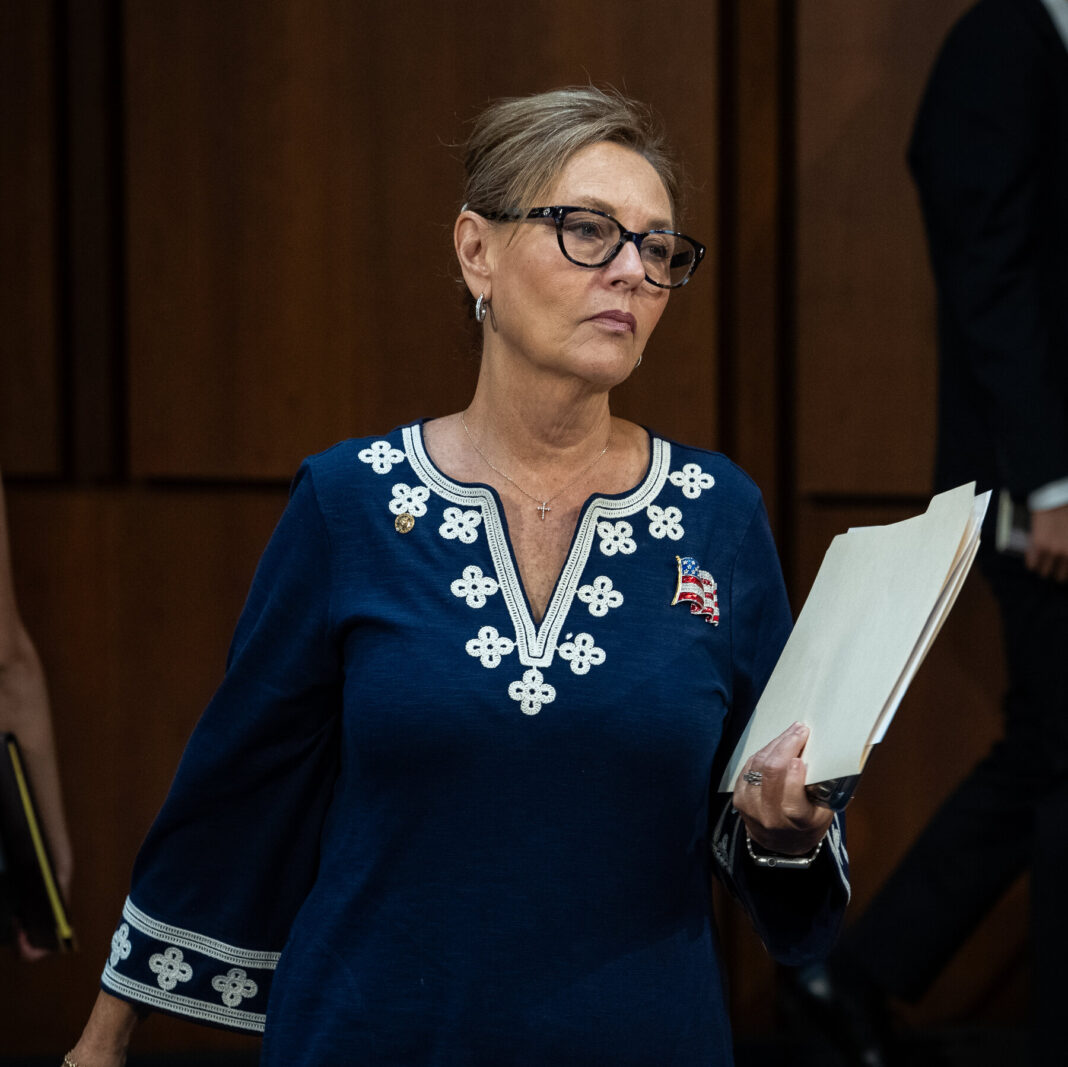
Senator Darline Graham, who assumed her brother’s Senate seat following his death, is now running for the full term. She has largely avoided the informal press conversations that defined his career. At the Capitol, she has declined most questions from reporters, breaking with a familiar tradition.
Lindsey Graham was known for his accessibility, often stopping to chat with the media. His sister’s approach marks a distinct shift in style. Darline has offered few on-the-record comments since taking office.
The contrast is notable given her campaign for a permanent seat. Voters are seeing a candidate who prefers structured statements over spontaneous exchanges. Her team has not explained the change in press strategy.
Reporters covering the Capitol note the difference in daily interactions. Some find her silence frustrating, while others respect the boundary. The senator has attended public hearings and votes but remains reserved in hallways.
Her campaign materials emphasize policy positions rather than personal narrative. She has released statements on key issues, but they lack the conversational tone of her predecessor. This has left some political observers speculating about her comfort with the press.
The Senate’s working culture often rewards personal relationships with journalists. Darline’s reticence could affect her ability to shape her public image. However, her legislative record remains the primary focus for voters.
Her brother’s legacy looms large over the race. He built his reputation on open dialogue and bipartisan engagement. Darline’s quieter approach may appeal to constituents seeking a different type of representation.
The next few months will test whether her strategy resonates beyond the Capitol halls. Campaign rallies and debates will offer more direct voter interaction. It remains unclear if she will adjust her press access moving forward.