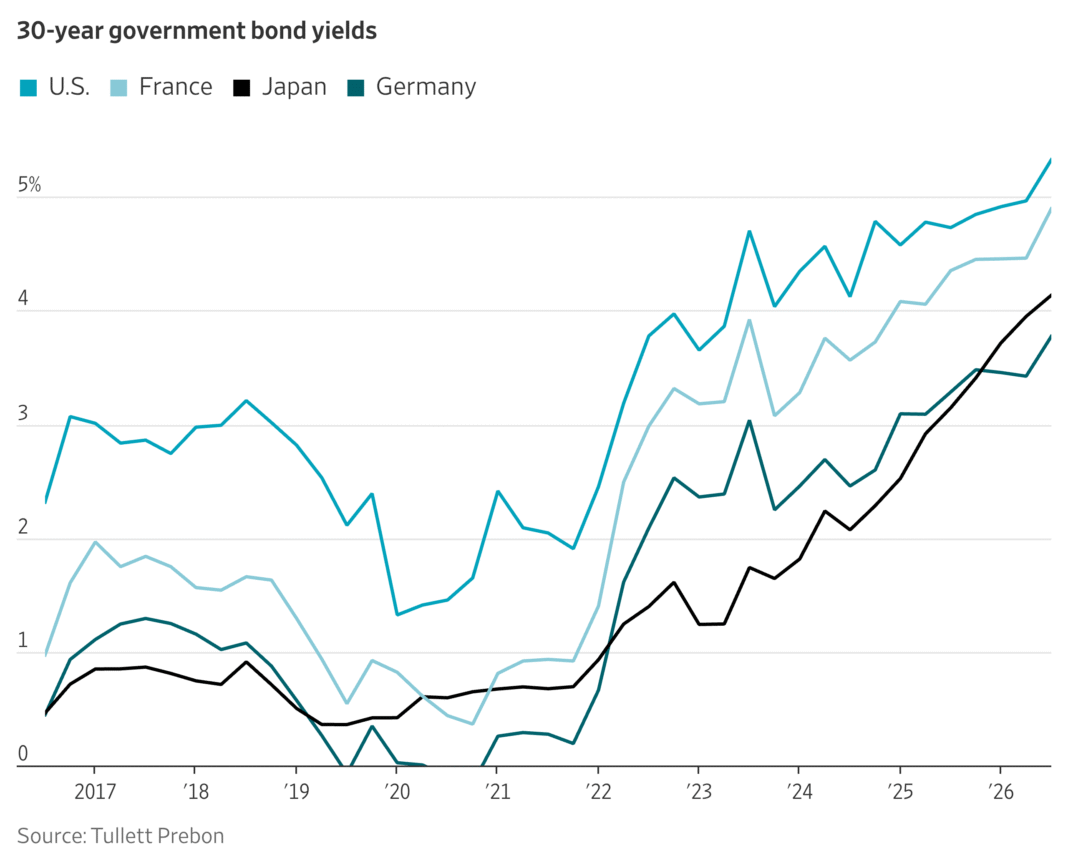
Bond markets are experiencing significant pressure, with yields on 30-year U.S. Treasurys reaching levels not seen in 19 years. This sustained selloff has prompted Wall Street analysts to forecast that the current rout is far from over. The market is now signaling a fundamental shift that many investors compare directly to conditions last witnessed in 2007.
The prolonged decline in bond prices has erased years of gains for fixed-income holders. Portfolio managers are recalibrating their strategies as the expectation of persistent high yields takes hold. This adjustment comes as a response to sticky inflation data and a resilient labor market, which together suggest the Federal Reserve will not cut interest rates aggressively.
Investors are grappling with the reality that the era of low yields and easy monetary policy has ended. The bond market’s new landscape points to structurally higher borrowing costs for governments and corporations. This change carries implications for everything from mortgage rates to corporate financing decisions, forcing a broad reassessment of risk.
Analysts point to several factors driving the sustained pressure on long-term debt. The U.S. government’s expanding fiscal deficit requires increased Treasury issuance, which floods the market with supply. Simultaneously, demand from traditional foreign buyers has weakened, largely due to geopolitical shifts and domestic investment priorities in other nations.
The comparison to 2007 is striking for many market veterans. Back then, the bond market’s complacency gave way to a brutal repricing that preceded a major financial crisis. While today’s economic fundamentals differ, the speed and severity of the current yield spike are drawing uneasy parallels regarding systemic risk.
For everyday investors, the implications are twofold. First, new bond purchases now offer higher income streams, which is a positive for savers. Second, existing bondholders with older, lower-yielding paper are facing substantial paper losses, creating a difficult choice between holding to maturity or selling at a discount.
Treasury market volatility is also affecting other asset classes. Equities have shown sensitivity to rising yields, as higher discount rates pressure future earnings valuations. The ripple effect is evident in global markets, where emerging market debt and currencies are feeling additional strain from a stronger dollar.
Economists are split on the duration of this repricing phase. Some argue that demographic trends and productivity gains will eventually pull yields down. Others contend that the structural drivers of this bond rout, such as fiscal profligacy and debt sustainability concerns, are here to stay for the foreseeable future.
The path forward remains uncertain, but the prevailing sentiment on Wall Street is one of cautious adjustment rather than panic. Fund managers are positioning portfolios to be more resilient to a higher-for-longer rate environment. This means shorter durations, more selective credit allocation, and a greater focus on inflation-protected instruments.
The bond market’s message is clear: the cheap money era has concluded. Whether this leads to a soft landing or a more turbulent outcome, the discipline of fixed-income investing now requires a level of vigilance not seen in nearly two decades.