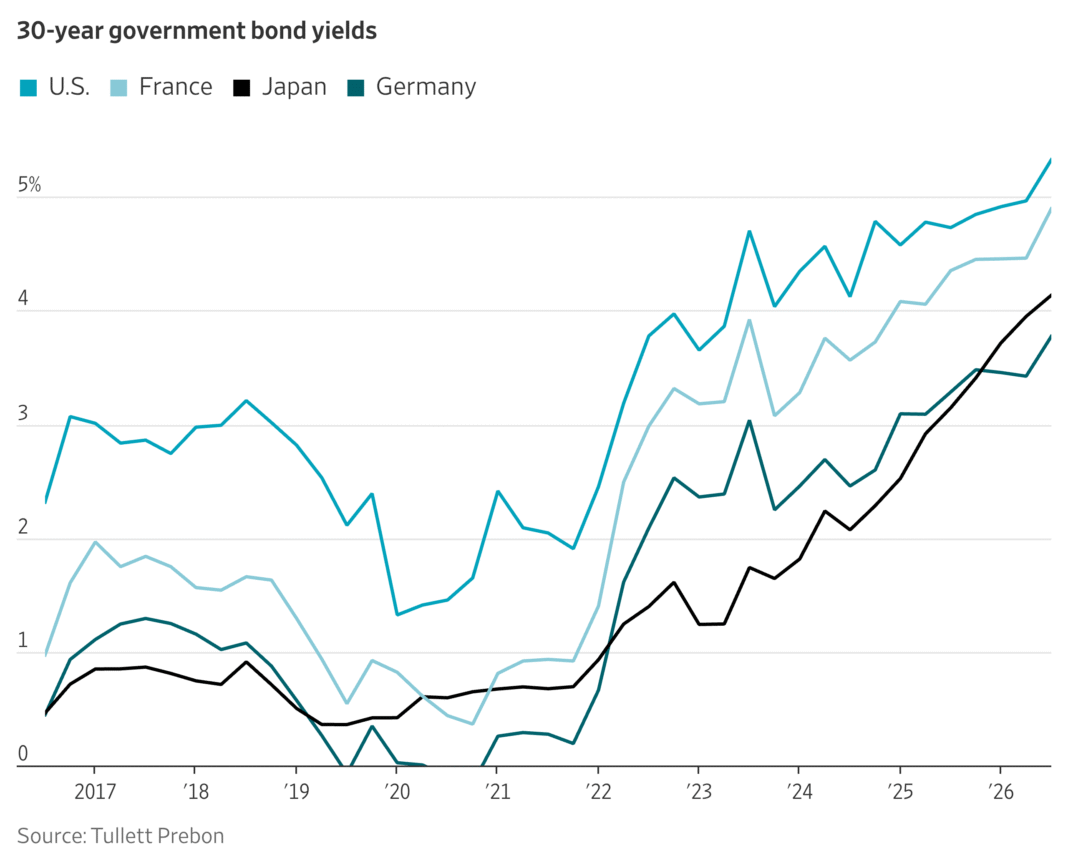
A sharp selloff in government bonds weighed on technology stocks, pushing major indexes lower in a broad market retreat. The move came as traders adjusted their expectations for interest rates, with Treasury yields climbing to multi-year highs. The pressure was most acute in the technology sector, where high-growth companies are most sensitive to changes in borrowing costs.
The yield on the benchmark 10-year Treasury note surged past a key threshold, a level not seen in over a decade. This jump in yields reflects growing investor concerns that the Federal Reserve may keep its policy rates restrictive for longer than previously anticipated. Stronger-than-expected economic data has fueled this view, suggesting the central bank has less room to cut rates.
Rising yields reduce the present value of future earnings, a calculation that hits technology firms particularly hard. These companies often trade at premium valuations based on expected profit growth years down the line. As bond yields rise, the relative appeal of these future cash flows diminishes, prompting investors to pare back their positions.
The selling was broad within the tech sector, with major software, semiconductor, and hardware names all closing in negative territory. The Nasdaq Composite led the declines, dropping by a more substantial margin than the S&P 500 or the Dow Jones Industrial Average. This performance gap underscores the sector’s outsized vulnerability to the current rate environment.
Market participants noted that the bond rout is also tightening financial conditions across the broader economy. Higher borrowing costs for corporations and consumers could slow down economic activity and dampen corporate profit margins. This creates a challenging backdrop for equities, as investors juggle the risk of a slowdown against still-resilient corporate earnings.
Investors are now looking ahead to upcoming inflation data and comments from Fed officials for clues on the future path of policy. These events could provide clarity on whether yields will continue their upward march or stabilize. Until that clarity arrives, volatility in both the bond and stock markets is likely to persist.
Some analysts suggest that the recent yield spike has positioned bonds as a more competitive alternative to stocks. With yields offering attractive levels of income, the opportunity cost of holding equities has increased. This dynamic is prompting a recalibration of portfolios, with some funds shifting allocations away from growth stocks and toward fixed income.
The day’s trading activity serves as a reminder of the tight coupling between the bond market and equity valuations. For now, technology stocks remain under pressure as the market digests a new reality of higher-for-longer rates. The path forward for equities will likely hinge on whether inflation continues to cool, giving the Fed the flexibility to ease its stance.