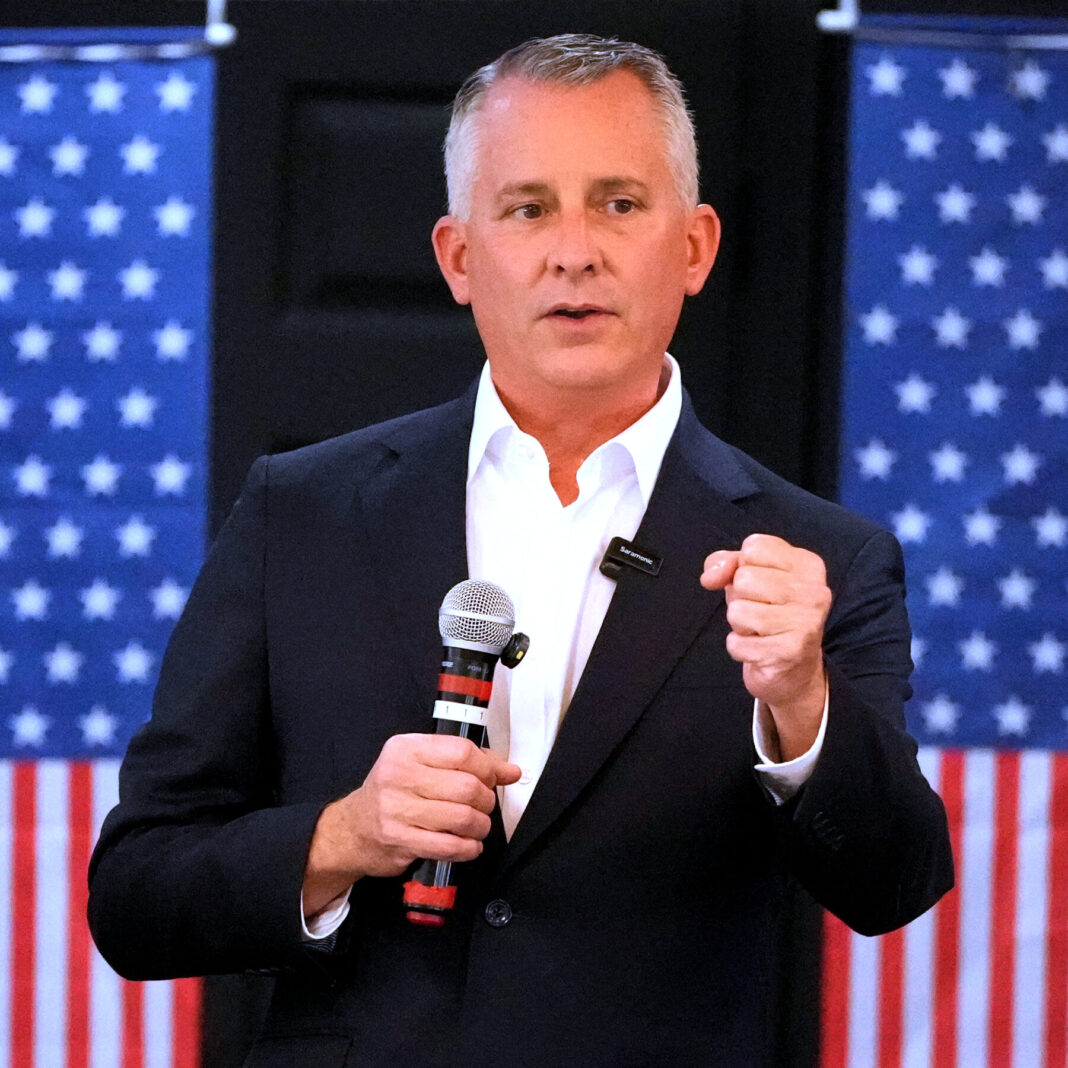
David Jolly won the Democratic primary for Florida governor on Tuesday, setting up a general election matchup against the Republican nominee. His victory marks a significant shift for a politician who spent most of his career as a Republican. Jolly, a former congressman from the St. Petersburg area, will now campaign on a platform centered on economic concerns.
Jolly’s political history is unconventional. He served as a Republican in the U.S. House of Representatives from 2014 to 2017, winning a special election in a competitive district. He left the party in 2018, citing frustration with its direction under President Donald Trump. Since then, he has become a vocal critic of the GOP and an outspoken advocate for Democratic causes.
His campaign message focuses on an affordability agenda. Jolly plans to address rising costs for housing, insurance, and groceries, which have become major issues for Florida voters. He argues that the state’s economy is growing for some but leaving working families behind. His approach aims to appeal to both moderate Republicans and independents who feel squeezed by inflation.
Jolly enters the general election as an underdog. Florida has trended Republican in recent statewide races, with the party controlling the governor’s mansion since 1999. He will face a well-funded opponent and a state party apparatus that has struggled to gain traction. Still, his crossover appeal and moderate stance could make the race more competitive than expected.
The candidate’s record in Congress includes work on environmental issues and veterans’ affairs. He also gained attention for his criticism of money in politics, sponsoring legislation to reform campaign finance. Those positions may help him attract voters who prioritize government accountability and transparency.
His path to the nomination was not without friction. Jolly faced a crowded primary field that included progressive and establishment candidates. He secured the nomination by focusing on his message of economic pragmatism rather than ideological purity. That strategy could serve him well in a general election where independent voters often decide the outcome.
Jolly’s campaign will now turn to building a coalition across party lines. He plans to hold town halls in traditionally Republican areas while reinforcing his base in urban centers like Miami and Tampa. His team emphasizes grassroots organizing and direct voter contact as key tools for the months ahead.
Political analysts view his nomination as a test of whether a former Republican can win in today’s polarized climate. Some see his candidacy as a bridge for disaffected GOP voters, while others question whether his past will linger. The next few months will reveal whether his message resonates beyond the primary electorate.
For Florida voters, the choice in November will center on two very different visions for the state. Jolly presents himself as a pragmatic problem-solver focused on daily costs and government reform. His opponent will likely stress continuity and conservative leadership. The campaign is expected to be closely watched as a potential bellwether for national trends.