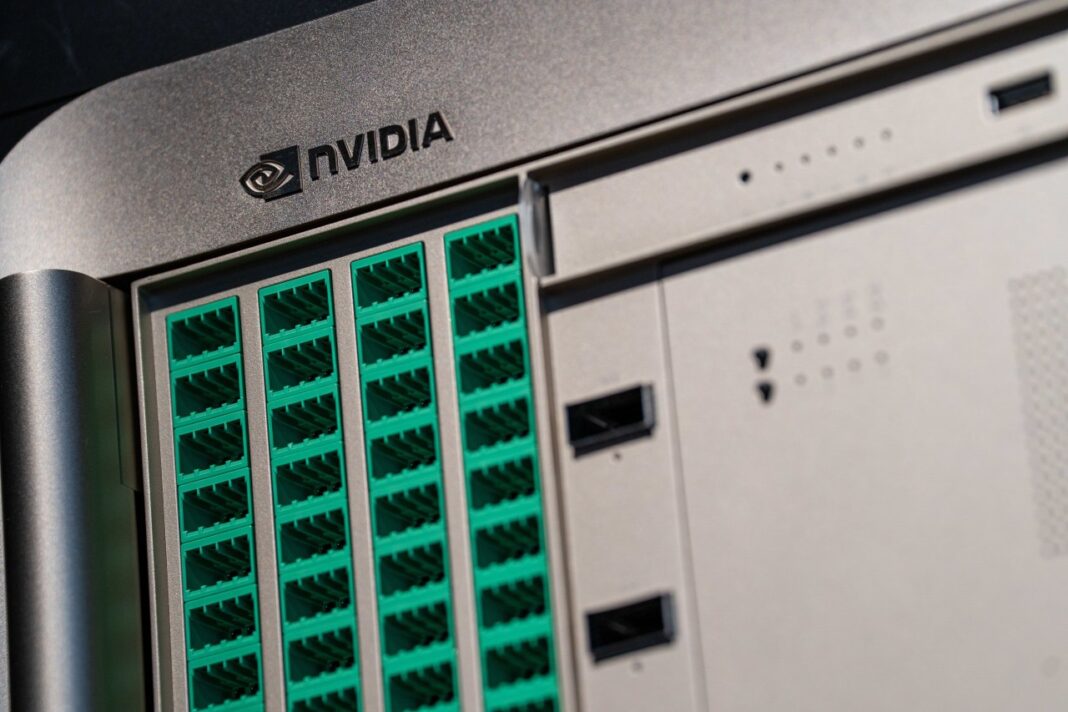
U.S. equity futures climbed on Thursday as Nvidia’s blockbuster earnings report lifted sentiment across the technology sector. Software shares also rallied in premarket trading after several companies delivered results that eased investor concerns about weakening demand.
Nvidia’s quarterly figures exceeded analyst expectations, with revenue and profit both coming in well above consensus estimates. The chipmaker’s guidance for the current quarter also pointed to sustained momentum in artificial intelligence infrastructure spending.
The upbeat earnings helped counter broader market worries about high valuations and slowing growth in parts of the tech industry. Traders moved back into risk assets, with Nasdaq futures leading gains among the major indexes.
Software firms followed suit, as strong earnings from a handful of key players suggested that enterprise spending remains resilient. That marks a shift from recent weeks, when cautious commentary from other tech companies had weighed on the sector.
Oil prices fell during the same session, adding another layer to the market picture. Declining crude futures reflected concerns about global demand, even as supply-side risks persisted in the Middle East.
The drop in energy prices provided some offset to inflation concerns, though investors remained focused on the Federal Reserve’s next policy moves. Futures pricing still pointed to a cautious approach from the central bank in the months ahead.
Broader market indices showed mixed movement, with Dow futures slightly lower while tech-heavy indexes pushed higher. The divergence underscored the narrowing leadership of megacap growth names in driving recent gains.
Traders now look to upcoming economic data for further direction. Jobless claims and manufacturing figures due later in the session could influence expectations for interest rate cuts.
The rally in tech shares signals renewed appetite for growth stocks, but analysts caution that earnings alone may not sustain momentum. Valuation concerns and macroeconomic headwinds remain key risks for the sector.
Market participants will also monitor oil price movements closely. A sustained decline could ease cost pressures for businesses and consumers, potentially giving the Fed more room to adjust policy later this year.