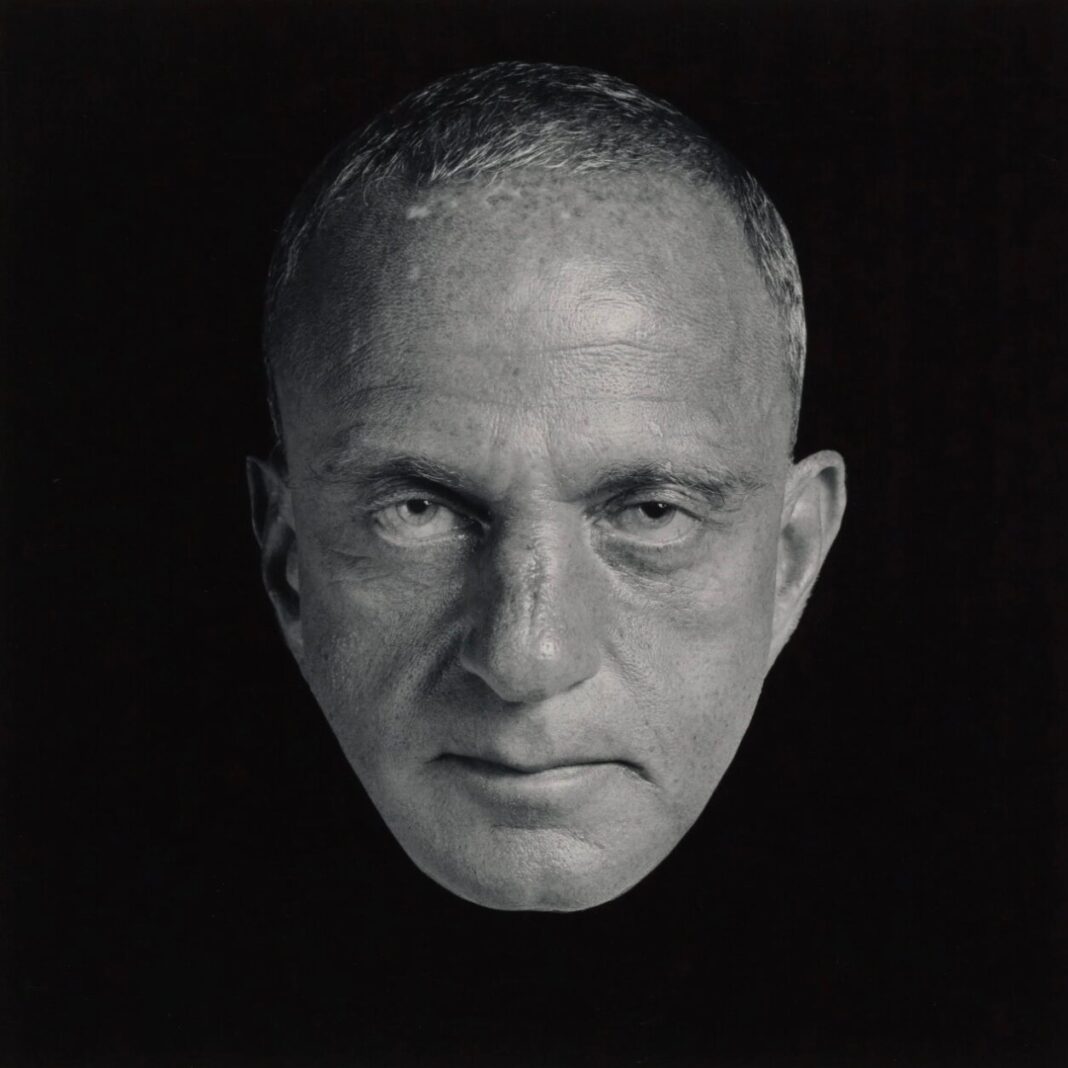
A planned book cover featuring a Robert Mapplethorpe photograph of Roy Cohn sparked internal debate, as publishers weighed artistic merit against potential political backlash. The image, intended for a biography of the infamous lawyer, raised concerns about the reaction of his most famous protégé, President Trump.
The photograph, a stark portrait of Cohn taken by Mapplethorpe in the 1970s, presented a powerful visual link between two provocative figures. For the biographer, the image offered a compelling representation of Cohn’s complex legacy. Yet, the decision to use it was not purely aesthetic.
Editors and legal advisors reportedly discussed the risks of featuring a subject tied so closely to the current president. The discussion highlighted a growing sensitivity in media and publishing circles regarding content that might draw presidential scrutiny. Sources familiar with the deliberations said the concern was not about legality, but about the potential for public attack.
The episode underscores a broader dilemma facing cultural institutions in the Trump era. Balancing editorial independence with the fear of retribution has become a recurring challenge. Some argued that avoiding the image would constitute self-censorship, undermining the very principles of free expression the biography sought to explore.
Others countered that the choice was simply a matter of prudent risk management. The photograph, while historically significant, was not essential to the narrative. They maintained that the potential for distraction outweighed any artistic benefit.
Ultimately, the cover decision reflected a tense compromise between creative vision and institutional caution. The incident reveals how political figures can shape cultural output, even without direct intervention. It also raises questions about the long-term effects of such anxieties on the publishing industry.
The final cover, reportedly a less provocative image, avoided direct confrontation with the White House. The internal conflict, however, remains illustrative of the pressures faced by creators navigating a polarized landscape. The choice served as a quiet acknowledgment of the power dynamics at play, a calculus that has become routine in modern media.