Prosecutors in Scotland will argue that activists accused of vandalizing President Trump’s Turnberry golf resort committed acts linked to terrorism. The case involves members of the group Palestine Action, who allegedly spray-painted “Gaza is not 4 sale” on the property last year. Legal proceedings are set to focus on whether the demonstration crossed a line into terror-related activity under UK law.
The incident occurred at the Ayrshire coast resort, which Mr. Trump owns. Authorities arrested several individuals following the protest, which was part of a broader campaign targeting businesses linked to Israel. Palestine Action has described the action as a direct response to ongoing conflict in the Middle East.
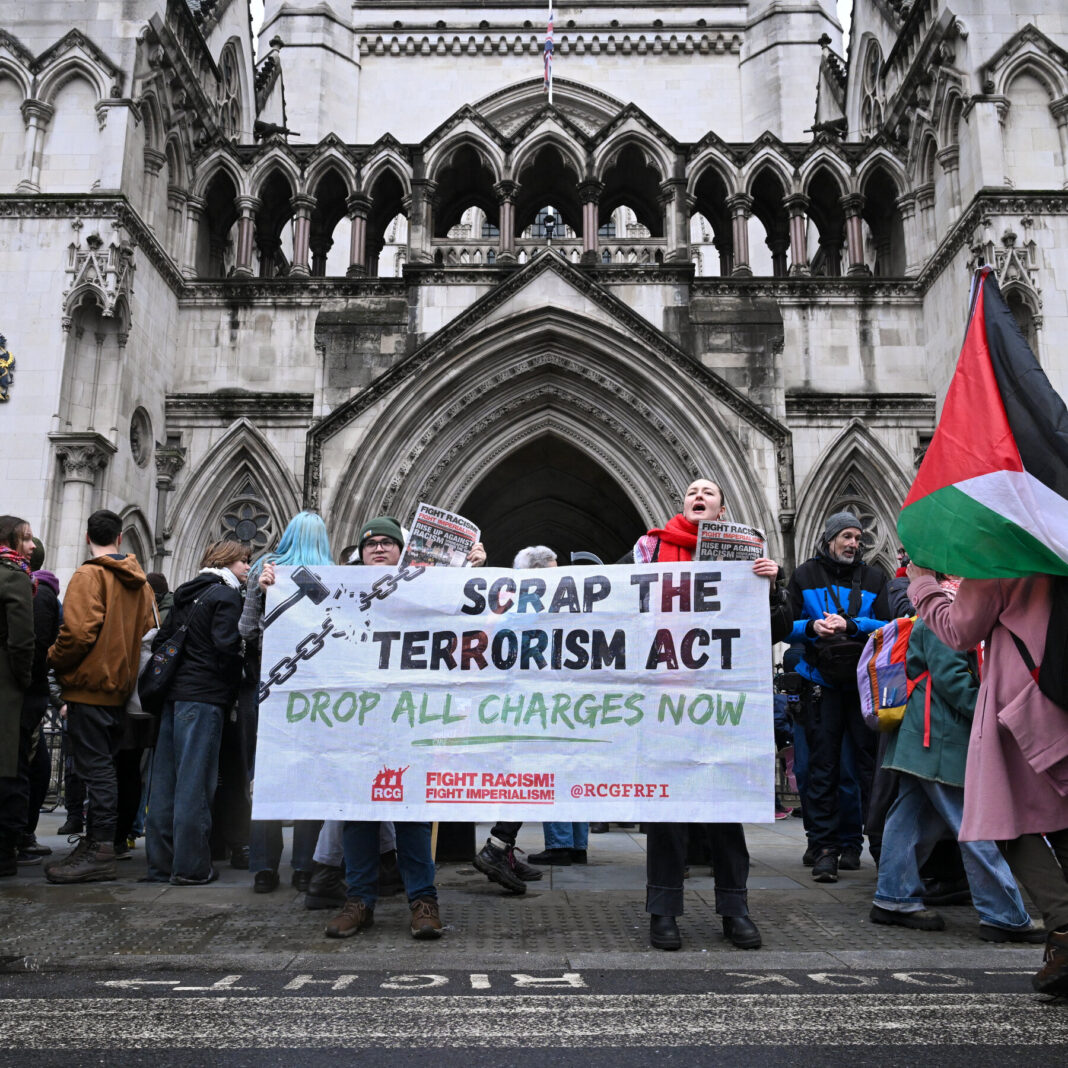
Prosecutors have now indicated they will seek to establish a connection between the vandalism and terrorism offenses. This legal strategy could rely on definitions within the Terrorism Act, which covers actions intended to influence government or intimidate the public for ideological causes. Defense lawyers are expected to challenge this interpretation, arguing the protest was political expression rather than unlawful violence.
The case has drawn attention due to its unusual intersection of property damage, political advocacy, and counterterrorism law. Legal experts note that charges of this nature are rare for non-violent protests. The decision could set a precedent for how similar direct-action campaigns are treated in Scottish courts.
A hearing is scheduled for later this year, where preliminary arguments will be heard. The accused individuals remain released on bail while the legal process unfolds. No trial date has been set yet.
The Turnberry resort has been a recurring target for protest groups due to its association with the former US president. Previous demonstrations at the site have included banner drops and coordinated social media campaigns. This latest case marks the first time such actions have led to terrorism accusations in Scotland.
Palestine Action has responded defiantly, stating that the group will continue its campaign despite the legal pressure. Spokespersons have called the charges an attempt to criminalize dissent. Meanwhile, local officials have remained quiet on the matter, deferring to the judicial process.
Observers will watch the proceedings closely, as the outcome could influence how protest movements operate across the UK. The case raises questions about the boundaries between civil disobedience and terrorism. For now, the burden rests on prosecutors to prove intent.