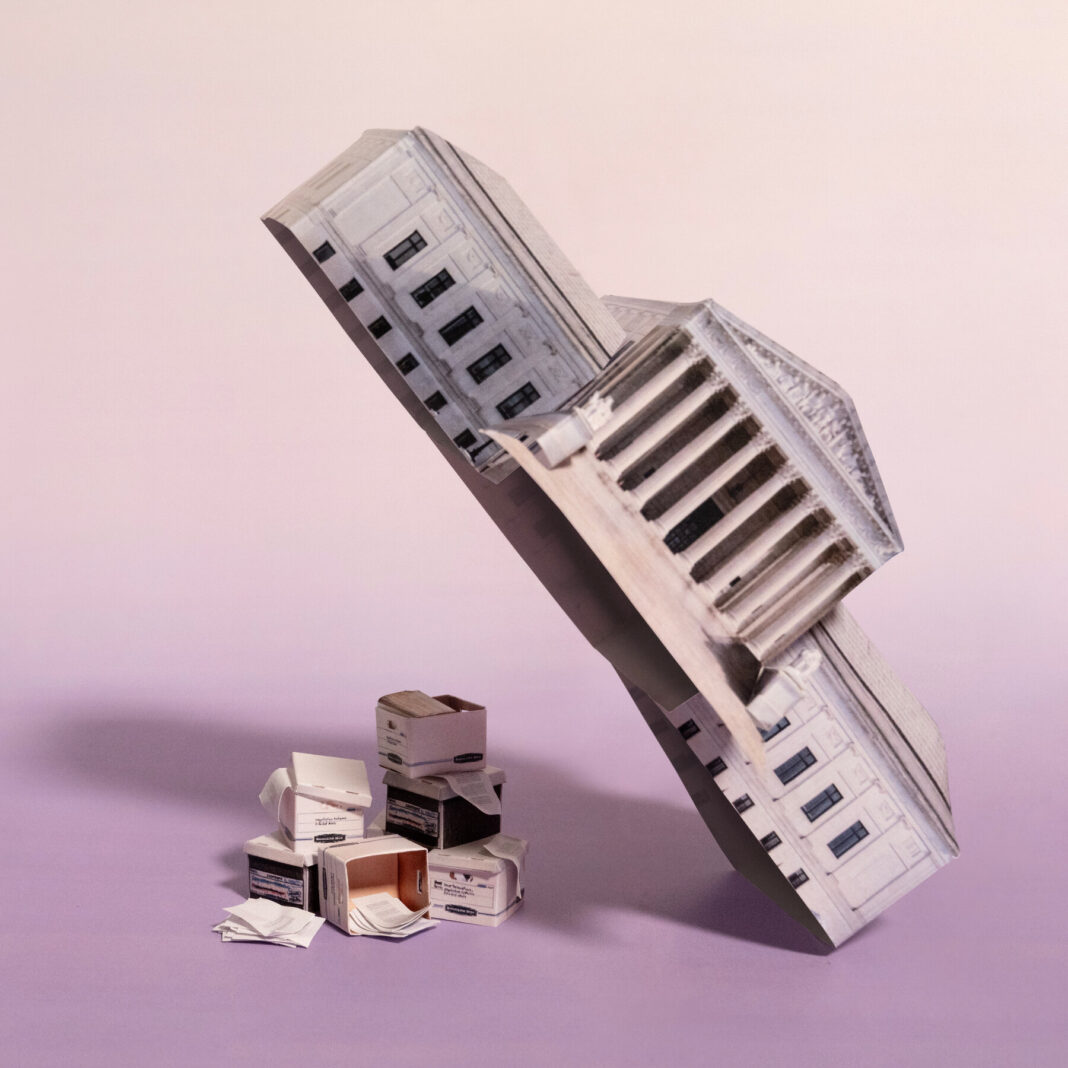
The Supreme Court has taken steps to shield its internal records from public view, potentially delaying access to key historical documents for decades. Following the death of Justice Antonin Scalia in 2016, the justices engaged in private discussions about restricting access to their papers. Those negotiations have since shaped how the Court manages its own archival history.
The deliberations were not public, but the outcome is clear. The justices agreed to tighten rules around the release of internal memoranda, draft opinions, and related correspondence. This move affects how scholars and historians will study the Roberts Court era.
Most of the Court’s working documents remain sealed under a strict review process. Personal papers of individual justices, often donated to libraries, have historically provided a window into internal decision-making. That access is now more limited.
The change means a complete record of major rulings may not emerge for many years. Researchers who once relied on justice archives to trace legal reasoning may face significant gaps. Some documents could remain private for up to 50 years or longer.
The decision follows a broader pattern of increased confidentiality within the Court. Recent years have seen fewer public appearances by justices and tighter controls on information releases. The archives policy fits within that trend.
Legal historians have expressed concern over the loss of transparency. They argue that public understanding of judicial decisions depends on access to the drafting process and internal debates. Without such records, the reasoning behind landmark cases may remain incomplete.
The Court has not issued an official statement on the policy change. Instead, the new norms have emerged gradually through institutional practice and individual justice decisions. This quiet shift has drawn less attention than other Court controversies.
For now, the full story of the Roberts Court may remain untold. The justices appear willing to wait out public interest, betting that sealed records will cause less friction than open ones. Only time will tell if that trade-off proves lasting.