The United States launched airstrikes against Iran, targeting assets linked to the Islamic Revolutionary Guards Corps. President Trump confirmed the operation, citing recent mining activities in the Strait of Hormuz as the trigger. The strikes mark a significant escalation in the long-running standoff between the two nations.
U.S. Central Command released a statement detailing the operation but withheld specifics on the exact targets destroyed. Officials confirmed the strikes were directed at the IRGC, the branch of Iran’s military responsible for regional proxy operations. The military statement emphasized the defensive nature of the action, linking it directly to threats against commercial shipping lanes.
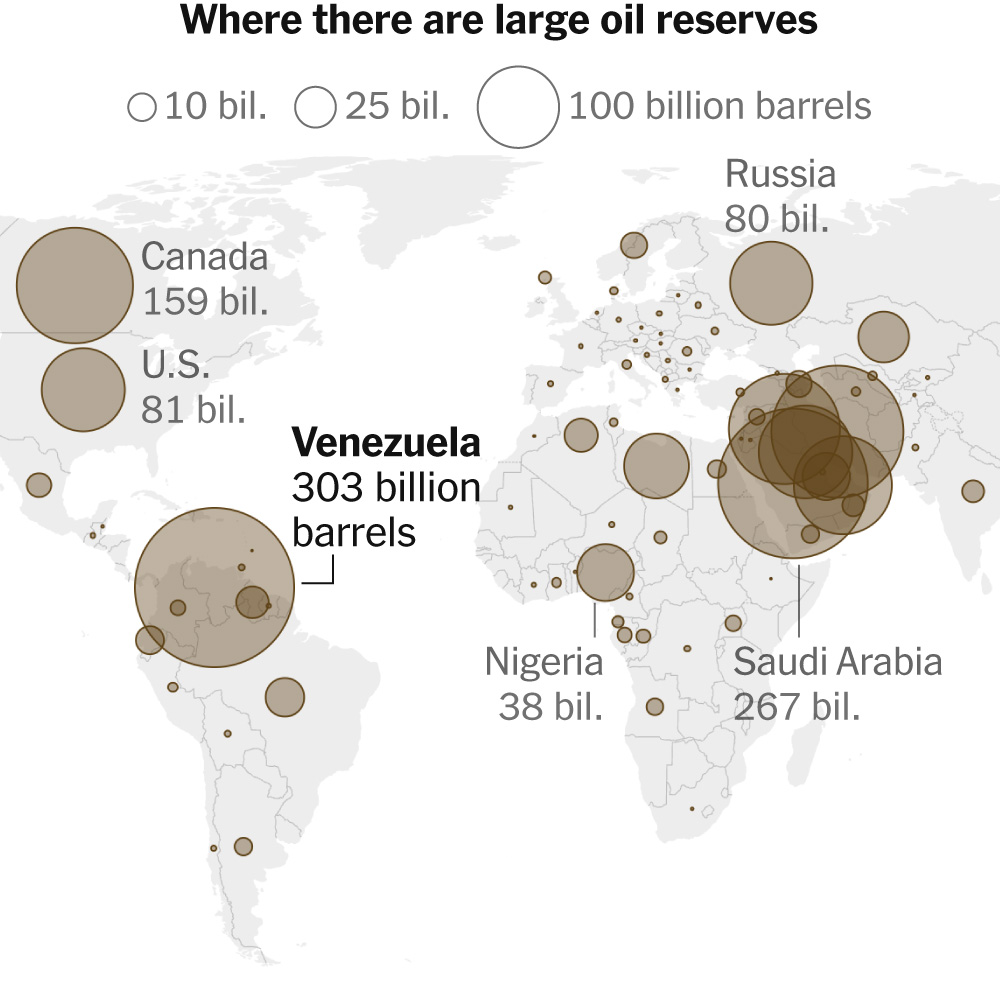
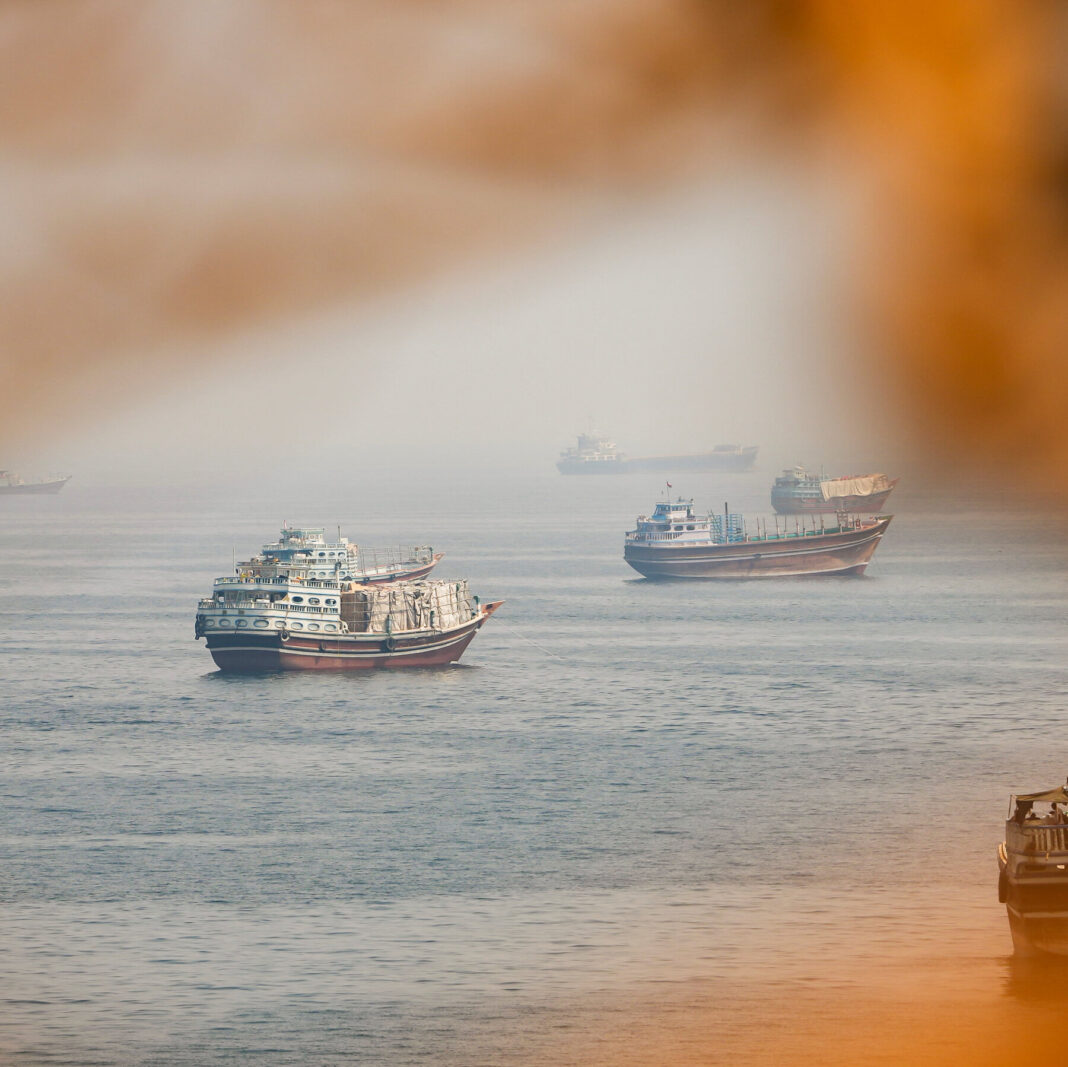
The Strait of Hormuz is a critical chokepoint for global oil supplies, with roughly a fifth of the world’s petroleum passing through its waters daily. Reports of mining activity there had raised alarms among international shipping and energy markets in the days leading up to the strike. The White House framed the response as necessary to protect free navigation and economic stability.
President Trump took to social media to announce the operation, stating that the IRGC had crossed a red line. He reiterated that the U.S. does not seek regime change but will respond forcefully to provocations. The message stopped short of outlining further military steps, leaving room for diplomatic off-ramps.
The scope of the strikes remains unclear, with no immediate casualty reports from inside Iran. Iranian state media acknowledged the attacks but downplayed their effectiveness, claiming air defenses intercepted several projectiles. Independent verification of these claims is pending, as journalists face restricted access to the affected areas.
Regional allies have responded cautiously, with Saudi Arabia and the UAE calling for restraint. Gulf states rely heavily on the Strait’s stability for their own exports and fear broader conflict. Meanwhile, European leaders urged both sides to de-escalate, warning of severe economic consequences for a region already on edge.
The airstrikes follow months of heightened tensions, including seizures of commercial vessels and drone attacks on tankers. Iran has consistently denied involvement in those incidents, blaming Western forces for destabilizing the area. This latest exchange raises the stakes, potentially drawing in other global powers with vested interests in the region.
Energy markets responded immediately, with crude oil prices spiking in early trading following the news. Analysts anticipate volatility if the conflict shows signs of spreading beyond current parameters. Insurance rates for tanker operators have already begun to climb, reflecting renewed risk in the waterway.
No timeline was provided for a potential follow-up action, leaving the situation fluid. The Pentagon has placed additional naval assets on alert but has not announced mobilization numbers. Diplomatic channels remain open through intermediaries, though early reports suggest Iran has rejected direct talks.
The international community now watches for retaliation, a likely trigger for further escalation. U.S. officials have pledged to protect military personnel in the region, indicating readiness for counterstrikes. For now, the focus shifts to whether Tehran will absorb the hit or respond in kind, determining the next phase of this volatile standoff.