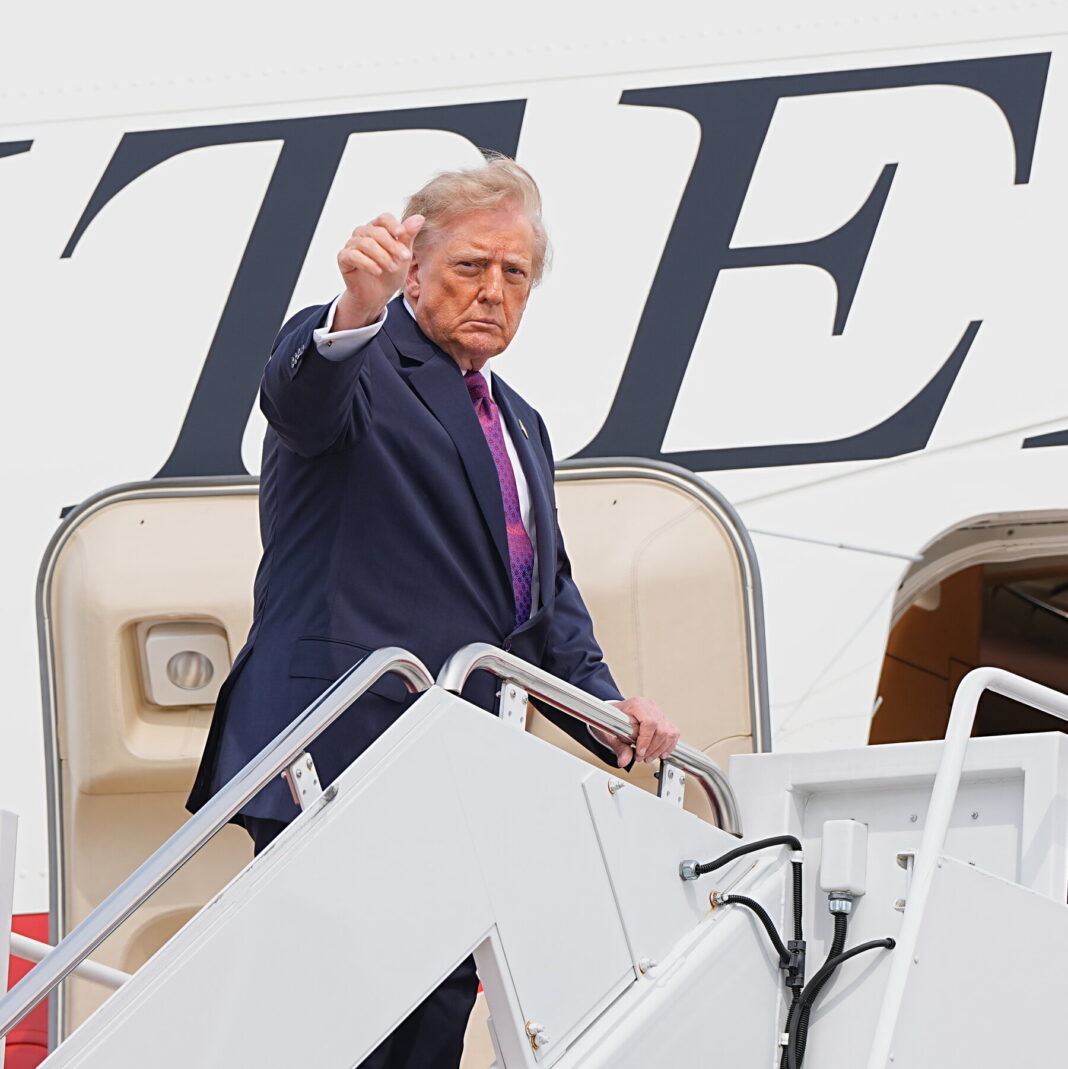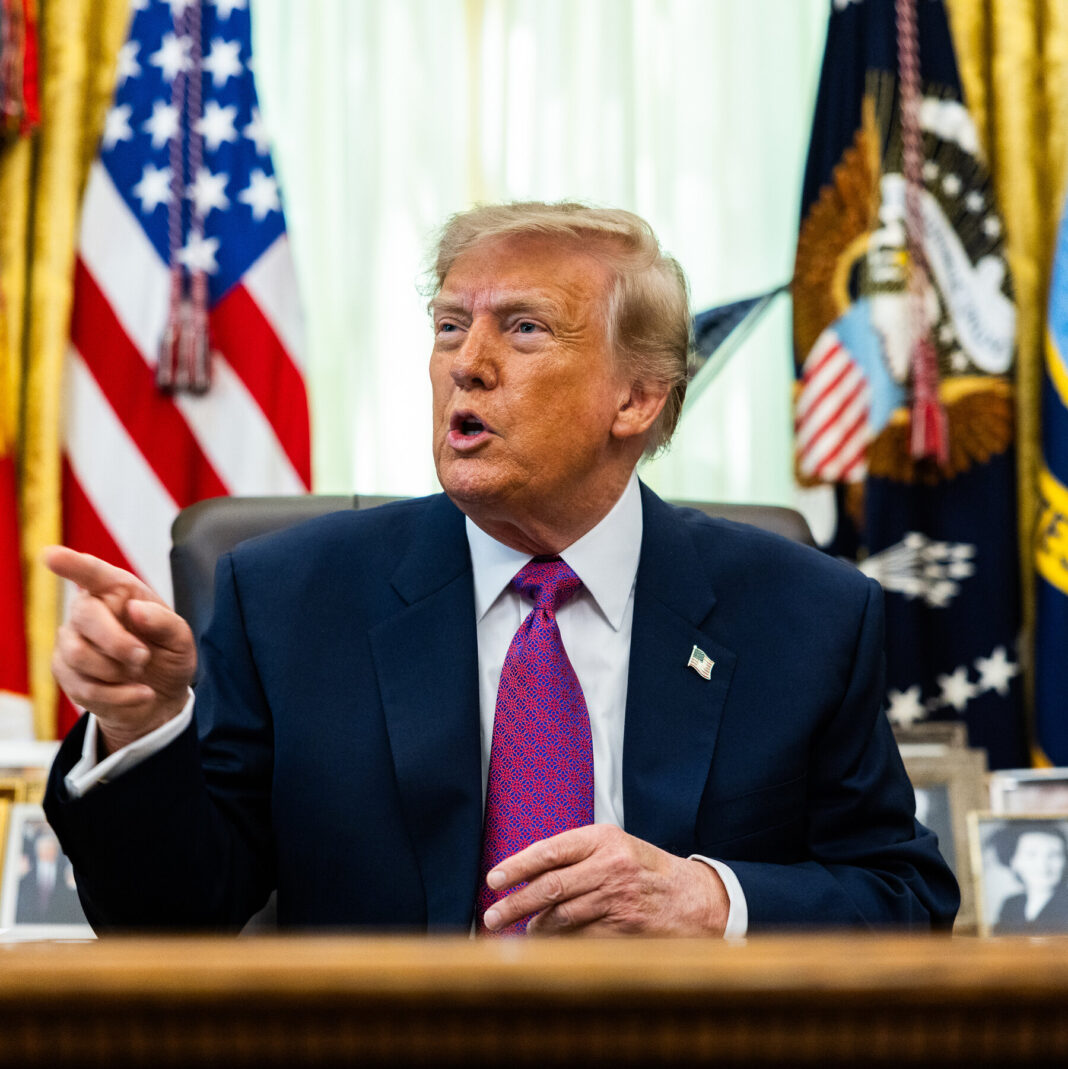
President Trump urged Iranians to “rise up and fight” on Tuesday, a message that underscores the deepening involvement of the United States in a six-month conflict. The call comes as Washington finds itself increasingly entangled in military actions without a clear endpoint. Tensions have escalated steadily since initial skirmishes began early this year.
The president’s remarks mark a return to a familiar rhetorical strategy aimed at applying pressure from within. By appealing directly to the Iranian public, the administration appears to seek internal unrest as a complement to external military pressure. It remains unclear whether such appeals will resonate with a population facing significant hardship.
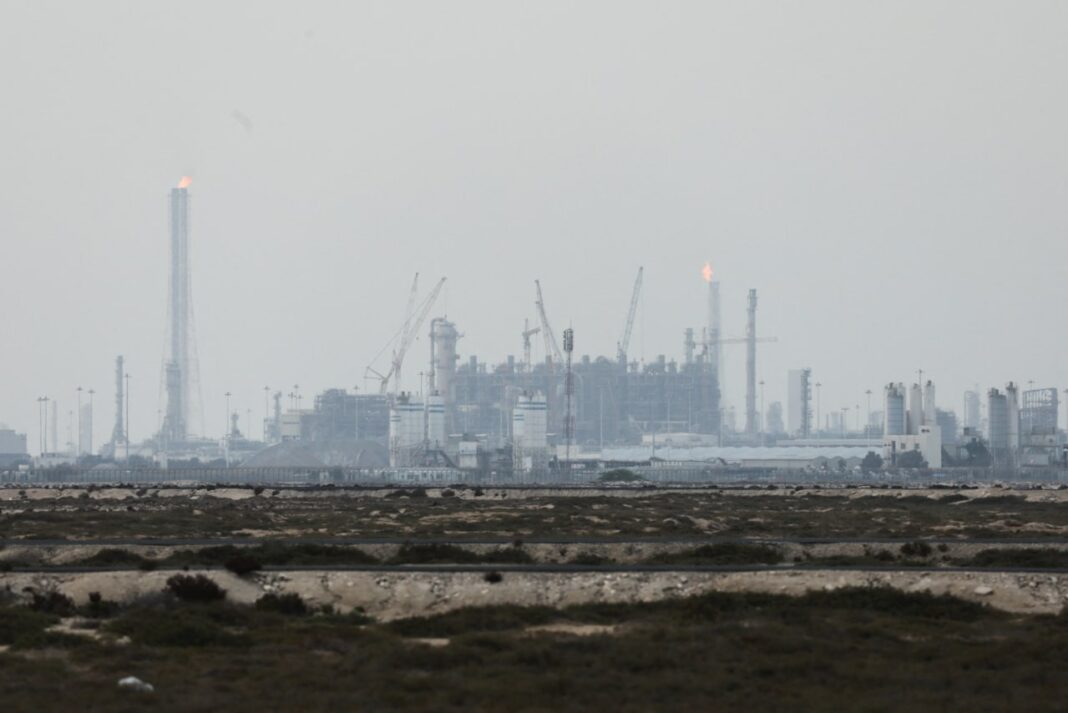
The conflict has centered largely on the strategic Strait of Hormuz, a vital artery for global oil shipments. Repeated disruptions in the waterway have sent shockwaves through international energy markets. Naval forces from multiple nations have been drawn into the region to ensure safe passage for commercial vessels.
Military officials report a complex battlefield environment, with drone strikes and missile attacks becoming routine occurrences. The American presence in the region has grown considerably, yet officials have stopped short of specifying a withdrawal timeline. Casualty numbers on both sides remain a sensitive topic, with independent verification proving difficult.
Domestic reactions to the prolonged engagement have been mixed. Congressional leaders have begun demanding more detailed briefings on the objectives and costs of the operation. Some lawmakers have voiced concern over the lack of a formal authorization for the use of military force. Public opinion polls indicate a growing wariness about another protracted conflict in the Middle East.
Analysts suggest that the administration’s dual-track approach of military strikes and civilian appeals carries significant risk. Prior conflicts in the region have shown that external calls for regime change can sometimes strengthen a government’s domestic position. The Iranian leadership has repeatedly dismissed American statements as interference in its internal affairs.
Economic pressures continue to mount as the disruptions take their toll on global supply chains. Oil prices have experienced volatile swings, affecting consumers and businesses far beyond the immediate conflict zone. Diplomatic efforts to de-escalate the situation have so far yielded little progress at international forums.
The president’s renewed calls for action highlight the difficult choices ahead for all parties involved. Without a viable diplomatic off-ramp, the prospect of a quick resolution appears dim. As the conflict enters its seventh month, the focus shifts to whether sustained pressure can force a change in behavior or will lead to further entrenchment.