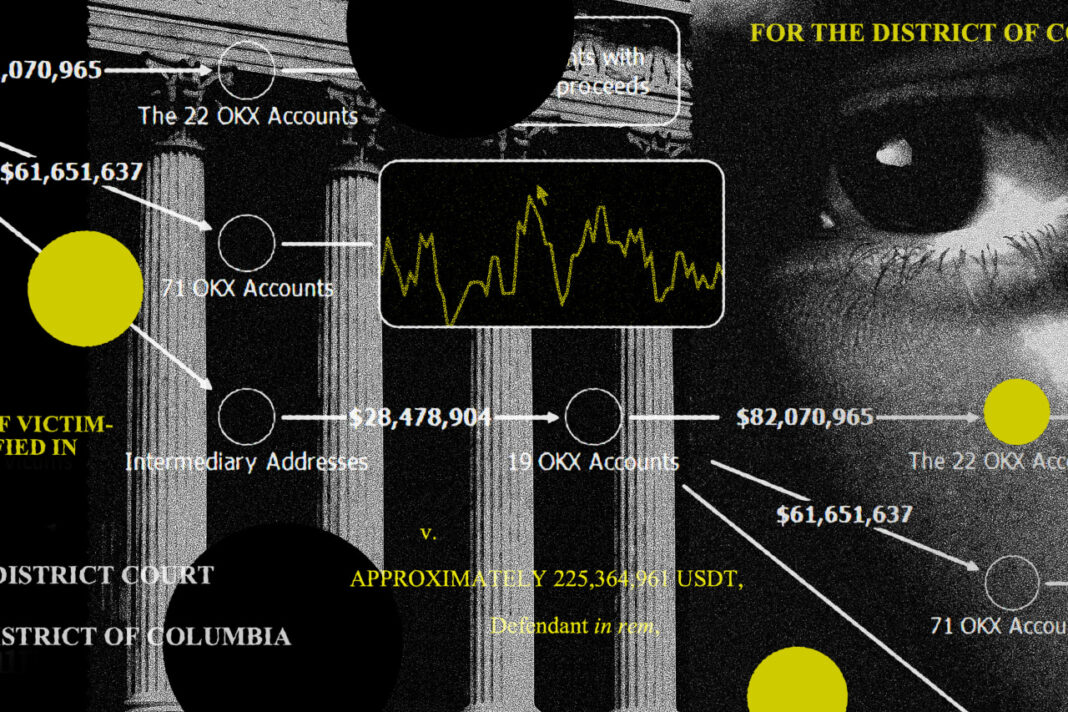
Victims of cryptocurrency scams face a difficult path to recover their losses, even after the U.S. government seizes stolen funds. Operation Big Tuna resulted in the seizure of $225 million in crypto tied to fraud cases. Returning that money to its rightful owners has proven far more complicated than taking it.
The operation targeted large-scale investment frauds that lured people into fake crypto platforms. Victims often believed they were making legitimate trades through professional-looking websites. In reality, the funds went directly to criminal networks operating overseas.
Federal authorities successfully tracked and confiscated the digital assets. The seizure marked a significant win for law enforcement in the fight against crypto crime. However, the process of returning seized funds involves multiple legal and logistical hurdles.
Victims must first prove their losses through official channels. This requires submitting transaction records, communication logs, and personal identification. Many people lack the technical evidence needed to meet these requirements.
Complicating matters further, the seized crypto is often mixed with funds from other victims. Authorities must determine each person’s share before distributing anything. This reconciliation process can take months or even years to complete.
Some victims have hired lawyers to navigate the recovery system. Others have formed advocacy groups to push for faster returns. Despite these efforts, many still wait for any portion of their money.
The government holds seized assets in special accounts until claims are verified. No timeline guarantees when or if victims will receive compensation. For now, the battle continues for those who lost everything.