A proposed garden of heroes on the National Mall is following a familiar trajectory, where physical changes on the ground are outpacing public debate. President Trump’s vision for a sweeping makeover of Washington, D.C., remains officially in the planning stages, yet its momentum is already reshaping the conversation. The project, which includes a new park and memorial structures, exists in a curious state between concept and reality.
Officials describe the initiative as an early-stage idea, subject to review and approval by federal commissions and preservation boards. However, the administration has moved quickly to secure land allocations and begin preliminary site work, creating facts that may be difficult to reverse. This pattern mirrors other large-scale federal projects where administrative steps precede legislative or public consent.
The proposed garden would honor American heroes from military and civilian history, with design elements intended to evoke national unity. Renderings show a landscaped expanse with monuments and walking paths, positioned near the Capitol grounds. Critics question the selection process for honorees, arguing that the criteria remain vague and open to political influence.
Historic preservation groups have raised concerns about the impact on the existing mall landscape, which is a protected cultural resource. Legal experts note that the project could face challenges if it bypasses standard environmental and historical reviews. Supporters counter that the makeover will modernize underused spaces and attract more visitors to the capital.
Funding for the project has not been fully disclosed, but preliminary estimates suggest a multi-year commitment from federal budgets. Private donors have also expressed interest, a dynamic that complicates oversight. The administration has framed the effort as a patriotic investment, while watchdogs warn of cost overruns and unclear contracting procedures.
Local D.C. officials have limited authority over federal land, leaving residents with little direct say in the project’s scope. Community meetings have been sparse, and public comment periods have not yet been scheduled. This has sparked frustration among city leaders who want more transparency before construction accelerates.
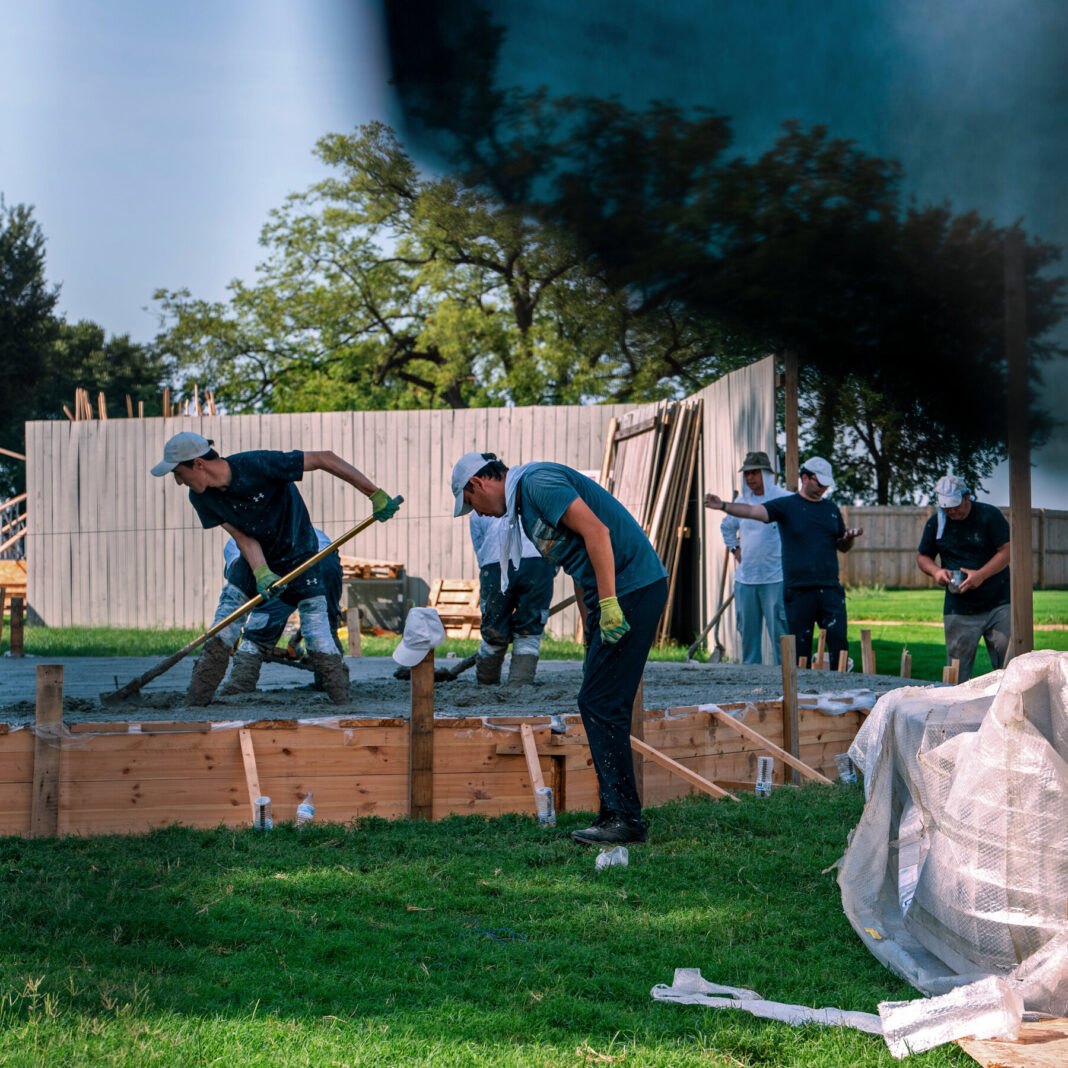
The timeline remains fluid, with some construction activities possible within the next year if approvals proceed. Temporary fencing and surveying equipment have already appeared near the proposed site, signaling early movement. Whether the project stays on course depends on political will, legal challenges, and the outcome of upcoming budget negotiations.
For now, the garden of heroes is neither a final plan nor a mere sketch. It occupies a gray zone where official language lags behind tangible action, and each new step makes a complete withdrawal less likely. Observers on both sides agree that the coming months will define whether this vision becomes a permanent fixture of the capital.