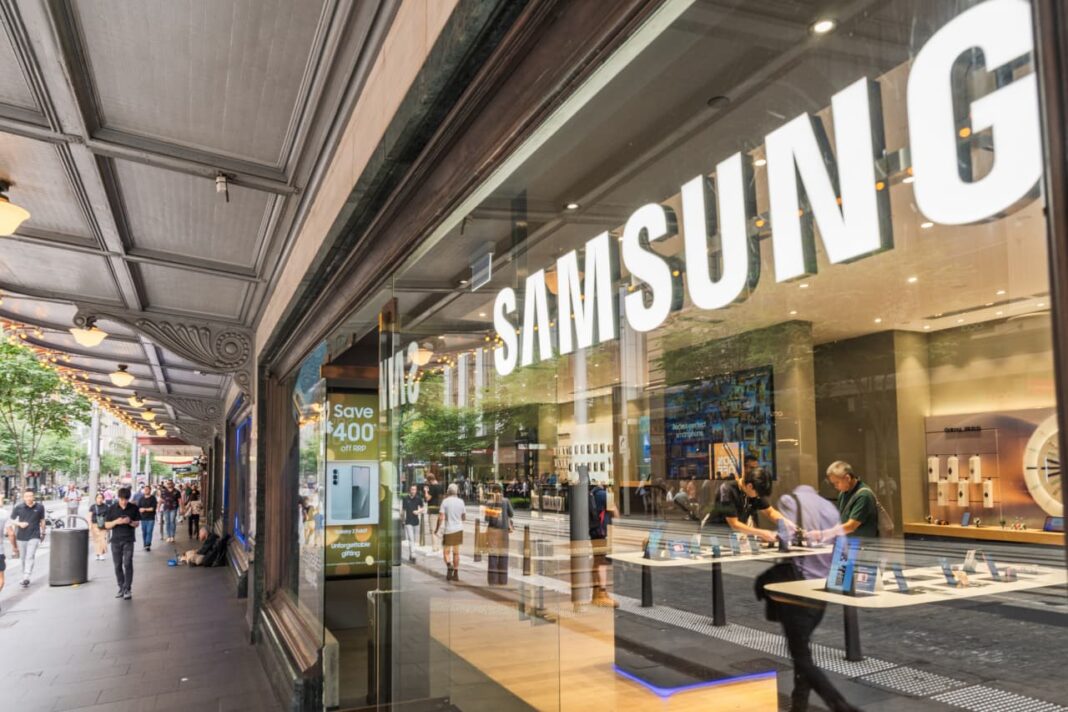
Samsung has achieved a feat no other technology company has accomplished. The company reported record-breaking financial results in its latest quarter. Despite this milestone, investors remain dissatisfied with the company’s performance.
The stock price peaked in June and has declined since that point. Shareholders expected stronger returns from Samsung’s recent success. Record profits have failed to translate into sustained stock market gains.
Samsung’s semiconductor division drove much of the recent profit growth. Demand for memory chips and advanced processors remains high across global markets. This surge positioned Samsung ahead of its competitors in the tech sector.
The company also announced expanded shareholder return programs. These initiatives include stock buybacks and increased dividend payments. Investors have responded with skepticism rather than enthusiasm.
Market analysts point to broader economic pressures affecting tech stocks. Rising interest rates and inflation concerns weigh on investor sentiment. Even exceptional corporate performance cannot fully offset these headwinds.
Samsung faces increasing competition in key markets like smartphones and displays. Rivals continue to invest heavily in research and development. Future growth may require significant capital expenditure.
The disconnect between company performance and stock valuation is not unique to Samsung. Many tech firms struggle to satisfy investor expectations in current conditions. Shareholder patience appears limited despite strong fundamentals.
Samsung’s leadership remains focused on long-term strategic goals. The company plans continued investment in artificial intelligence and advanced manufacturing. Whether investors will reward these efforts remains uncertain.