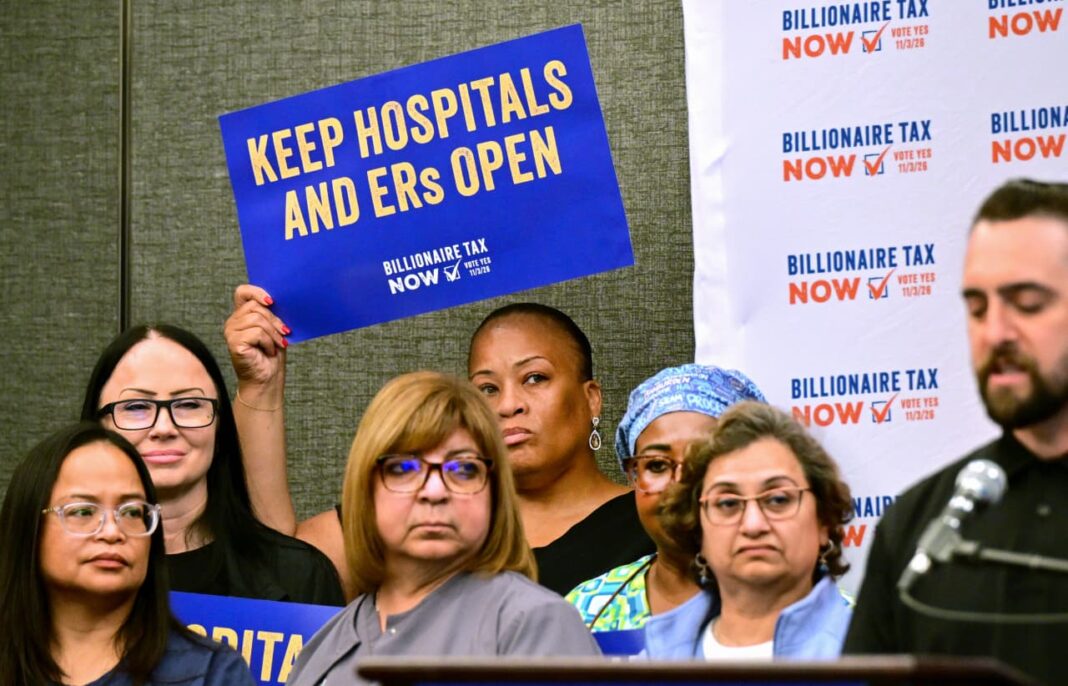
California has moved closer to enacting the first-ever billionaire wealth tax in the United States. The proposed measure would levy an annual tax on the net worth of the state’s wealthiest residents. The legislation reflects a growing divide in tax policy between Democratic-led and Republican-led states.
Assembly Bill 259, introduced by Assemblymember Alex Lee, targets extreme wealth inequality. It would impose a 1% tax on worldwide net worth exceeding $1 billion. For those with over $5 billion, the rate would rise to 1.5%.
The bill has advanced through committee hearings, signaling serious legislative momentum. Proponents argue the tax could generate billions in annual revenue. This funding would support public services like education, housing, and healthcare.
Critics warn the policy could drive billionaires and their businesses out of California. They point to recent high-profile corporate relocations to Texas and Florida. Both states have no personal income tax.
The broader divide between red and blue state tax systems continues to widen. Republican-led states often cut taxes to attract investment and migration. Democratic-led states increasingly consider wealth taxes to fund social programs.
Last year’s federal tax changes also influenced state-level decisions. Federal reforms on deductions and corporate rates pushed states to reassess their own policies. California’s wealth tax is one of the most aggressive responses yet.
If enacted, the tax would face immediate legal challenges. The U.S. Constitution restricts states from taxing property without apportionment. Supporters believe the tax can be structured as an excise tax to bypass these limits.
The debate over the billionaire tax highlights a fundamental policy split. One side prioritizes taxing extreme wealth to reduce inequality. The other prioritizes low taxes to foster economic growth and mobility.
California’s bill still needs approval from the full Assembly and Senate. Governor Gavin Newsom has not taken a formal position. The outcome could reshape state tax policy for years to come.