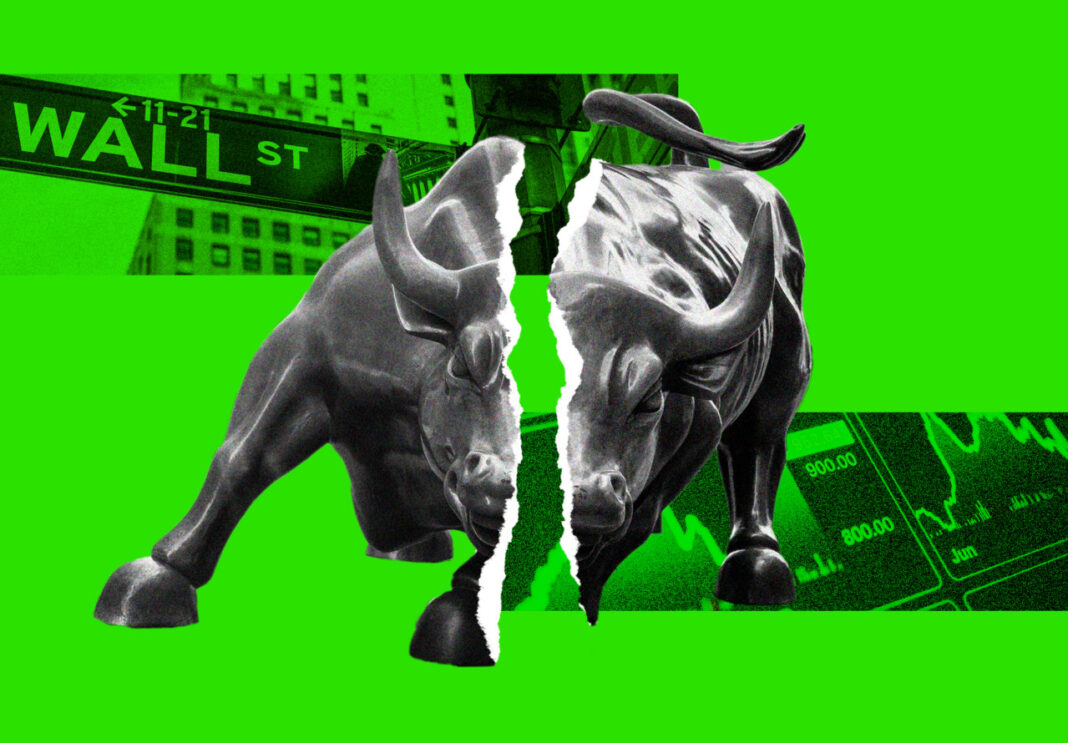
The stock market continues to surge, fueled by a massive wave of corporate spending on artificial intelligence. First-quarter earnings have surpassed expectations, delivering strong results that have kept investor sentiment buoyant. However, the rally’s foundation is narrower than it appears.
Upward revisions to 2026 earnings forecasts have been heavily concentrated among a select group of companies. This concentration raises questions about the broader market’s durability. If AI spending slows or fails to deliver expected returns, these high-flying stocks could face significant pressure.
Investors are closely watching for signs of diminishing returns on AI investments. Any miss from major tech firms could trigger a sharp sell-off, rippling through the broader index. The market’s current optimism may be pricing in perfection, leaving little room for error.
Regulatory challenges also pose a potential threat to the rally. Governments worldwide are scrutinizing AI development, with new rules that could curb spending or alter competitive dynamics. Antitrust actions in the U.S. and Europe add another layer of uncertainty.
Economic headwinds, including persistent inflation and high interest rates, could further crack the rally. If consumer spending falters or business investment tightens, the AI boom may lose momentum. A broader slowdown would test whether current valuations are justified.
The concentration of gains in a few mega-cap stocks leaves the market vulnerable to sector-specific shocks. A sudden change in AI demand or a competitor’s breakthrough could reshape the landscape overnight. Diversification across industries remains limited.
For now, the rally continues, driven by strong earnings and AI enthusiasm. But investors should watch for cracks in earnings concentration, regulatory shifts, and macroeconomic pressures. The path forward depends on whether AI spending can sustain its momentum across the entire market.