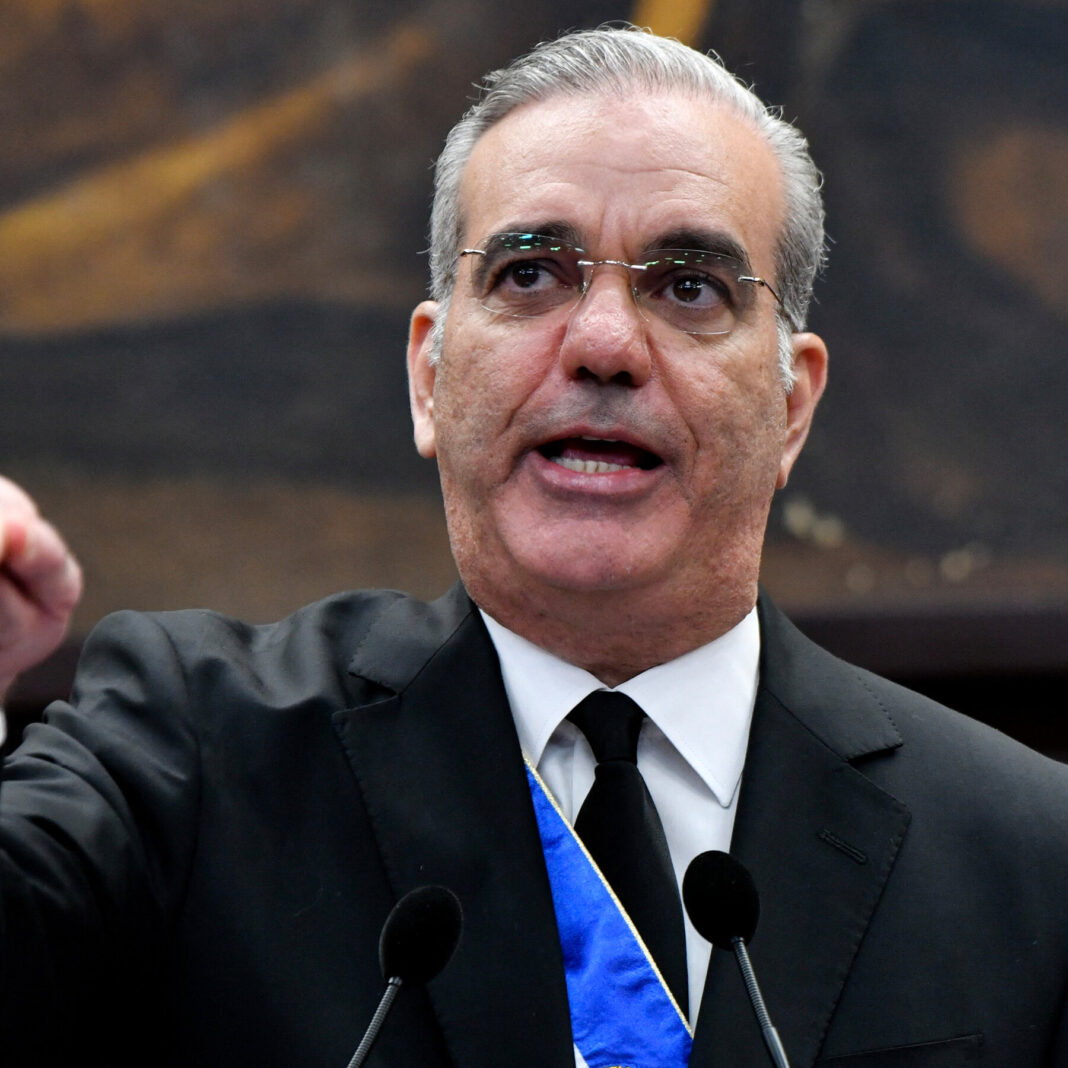
The Dominican Republic has agreed to accept third-country migrants deported by the United States. The decision reverses President Luis Abinader’s earlier refusal of such requests.
This policy shift supports President Trump’s broader strategy to secure cooperation from foreign governments on deportations. The deal focuses on migrants who are not Dominican citizens but were detained in the U.S.
Details of the agreement remain limited, but officials confirmed the arrangement is now operational. The Dominican Republic will receive individuals from other nations who cannot be returned directly to their home countries.
President Abinader had previously resisted similar proposals, citing national sovereignty concerns. The change signals a significant diplomatic concession to the Trump administration.
The U.S. has been pressing multiple nations to accept deportees as part of its immigration enforcement efforts. The Dominican Republic’s agreement provides a new destination for migrants who otherwise might remain in U.S. custody.
Critics argue the deal could strain Dominican resources and raise humanitarian questions. Supporters view it as a practical step to manage migration flows.
The arrangement does not apply to Dominican nationals, who already face deportation under existing agreements. It specifically targets migrants from other countries transiting through or held in the U.S.
The long-term impact on bilateral relations remains uncertain. Both governments have emphasized cooperation on shared security and migration goals.