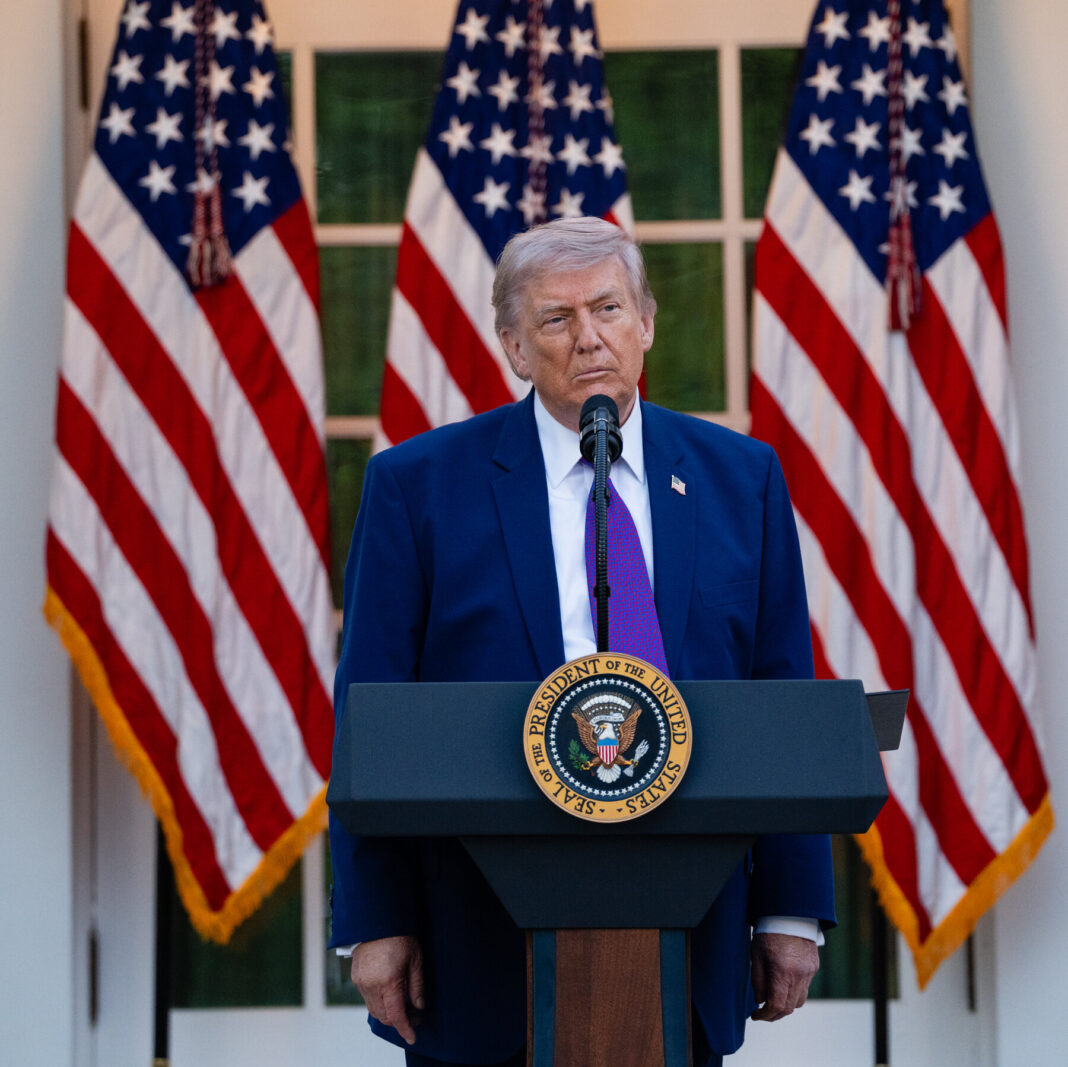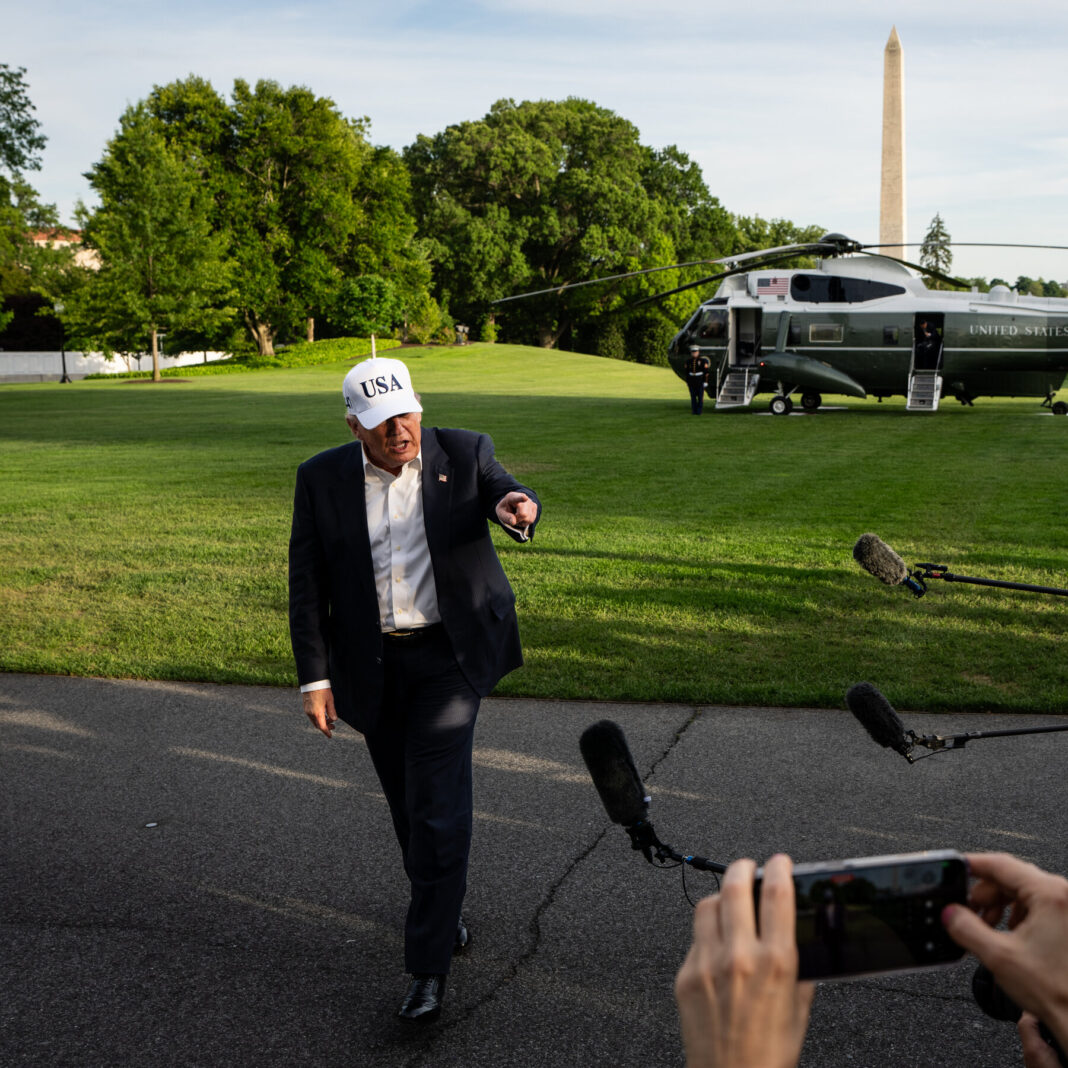
Former President Donald Trump demonstrated his continued influence over the Republican Party with the defeat of Senator Bill Cassidy. The primary loss highlighted Trump’s enduring hold as the party prepares for potential electoral losses in the midterms.
With Cassidy’s removal, Trump sent a clear signal about loyalty and dissent within the GOP. The result may press other Republicans to align closely with the former president ahead of November’s elections.
The political landscape suggests that a broader range of views about Trump could become a major liability for the party. Internal divisions risk alienating both Trump’s base and moderate voters needed for broader wins.
This dynamic leaves Republican candidates navigating a tightrope between embracing Trump’s base and appealing to swing voters. Some strategists warn that the party’s focus on past grievances may overshadow current policy debates.
Trump’s continued dominance also shapes fundraising and endorsements, influencing races nationwide. Candidates who oppose him often face well-funded primary challengers and reduced party support.
The Cassidy defeat serves as a warning for other Republicans who might consider breaking with Trump. It reinforces the former president’s role as a kingmaker in the GOP’s internal battles.
As the midterms approach, the party braces for possible backlash from swing districts. The challenge remains balancing Trump’s influence with the need to win over undecided voters.
Ultimately, the GOP’s path forward hinges on whether it can pivot from internal loyalty tests to unify around a broader message. Trump’s shadow looms large over these calculations.