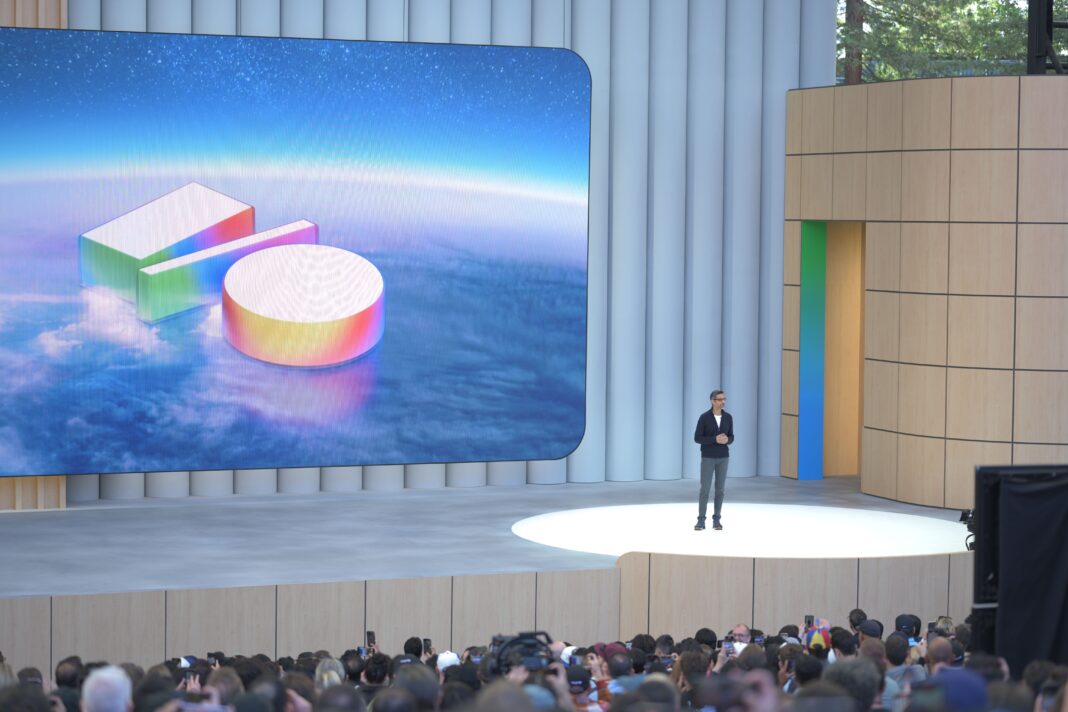
Google I/O 2026 kicked off with a heavy focus on artificial intelligence. The company used its annual developer keynote to unveil a series of updates for its Gemini AI suite. New features aim to integrate the assistant deeper into daily workflows.
The keynote provided a clearer timeline for Android XR smart glasses. Google revealed more hardware details and software capabilities for the upcoming device. Developers received early access to new tools for building mixed-reality applications.
Gemini received several upgrades to its language and reasoning abilities. The model can now process longer contexts with improved accuracy. A new feature allows it to pull real-time information from connected apps.
Google also introduced a hands-free mode for Gemini on mobile devices. Users can now activate the assistant without touching their phone screen. This integration is designed for seamless multitasking.
Android XR will support hand tracking alongside voice commands. The smart glasses will offer a persistent virtual workspace visible through the lenses. Navigation controls rely on simple gestures and eye movement.
Privacy updates accompanied the hardware announcements. Google confirmed that visual data from the glasses is processed locally. A visible indicator lets bystanders know when recording is active.
Third-party developers will receive the Android XR toolkit later this year. Google partnered with several major app companies for launch titles. The first consumer version is expected to ship in early 2027.
The conference also touched on improvements to Google Search. A new AI mode summarizes complex answers from multiple sources. Results now include interactive elements for follow-up questions.