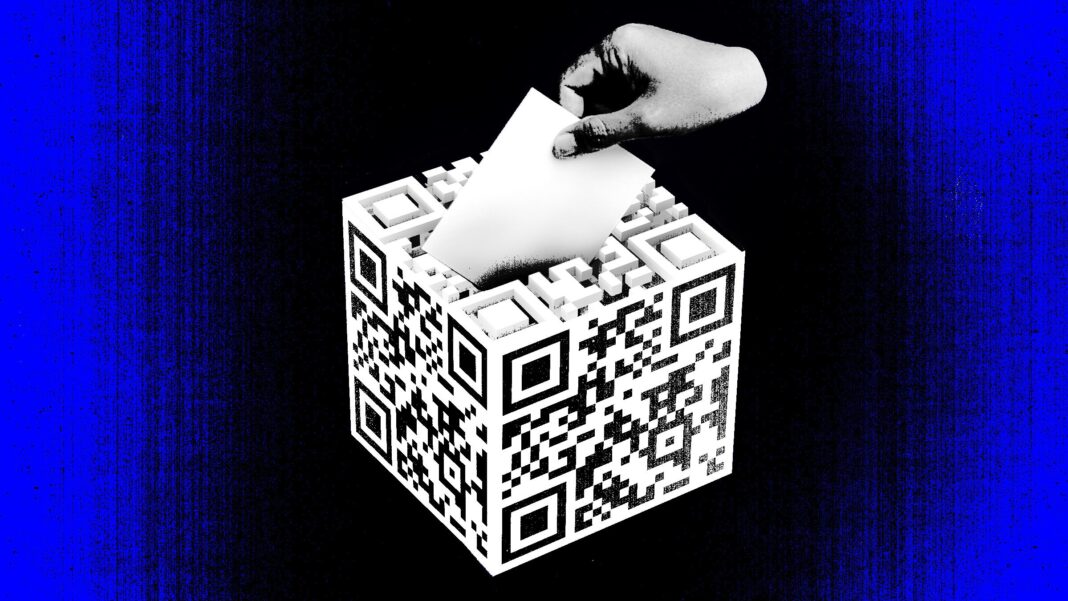
The state of Georgia banned the use of QR codes in its election process. The decision was influenced by a man who has promoted false claims about Israel and the 9/11 attacks. The ban has created confusion, leaving election officials unsure how ballots will be counted.
Georgia’s QR code policy change stems from a conspiracy theory. Critics argued that QR codes on ballots could be manipulated to alter votes. The theory gained traction among some election skeptics.
The man behind the push has a history of spreading disinformation. He previously boosted baseless claims regarding the 2001 terrorist attacks and Israeli involvement. His assertions have been widely debunked by experts.
State officials acted on these concerns without clear alternatives. The ban removed a key tool used for verifying ballot accuracy. Election administrators now face logistical challenges ahead of the midterms.
Voters and poll workers are left in limbo. Without QR codes, the counting process lacks a standardized method. This uncertainty threatens to slow results and increase mistrust.
The situation highlights the impact of unsubstantiated claims on real-world systems. Georgia’s election infrastructure now adapts to a rule based on disputed evidence. Officials scramble to find a workable solution.
The midterms will test this new approach. Many observers worry about delays and errors. The outcome could influence future election policies nationwide.