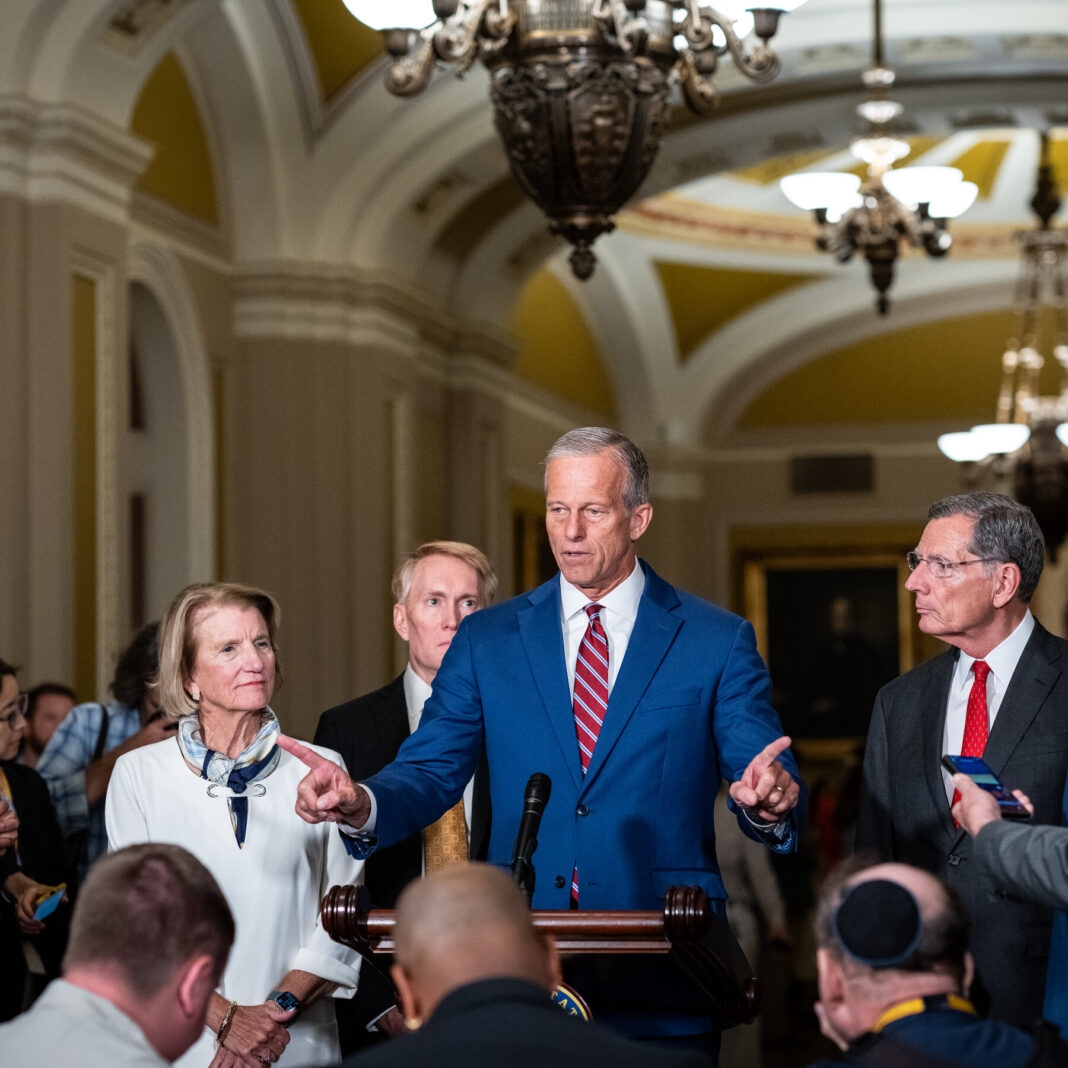
The Senate concluded its summer session without advancing President Trump’s voting bill, a move that formalized what had been clear for weeks. Republicans did not have the necessary votes to pass the restrictions, which the president had made a top priority.
The decision effectively shelved the legislation until after the upcoming recess. Lawmakers from both parties acknowledged the outcome during the final hours of the session. No formal vote was held on the measure, as leaders opted to avoid a public defeat.
The bill faced opposition from within the Republican conference. Several members expressed concerns over specific provisions, while others cited procedural delays. Democratic lawmakers remained united against the proposal, framing it as a restriction on voter access.
White House officials had pushed for a vote before the recess, urging senators to stay in Washington. Those efforts failed to sway enough undecided members. The president has not yet indicated whether he will renew the push when the Senate returns.
Supporters of the bill argued that it was necessary to address election integrity. They pointed to state-level changes and public concerns about voting processes. Opponents countered with data showing no widespread fraud, a position echoed by election officials in multiple states.
The outcome marks a setback for the administration’s legislative agenda. Voting policy had been a central theme in the president’s public remarks this year. The Senate’s inaction leaves the issue unresolved as the fall election cycle approaches.
Attention now shifts to state legislatures, where similar measures have seen mixed success. Some states have enacted their own restrictions, while others have expanded access. The federal bill’s failure does not end the broader debate over voting rules.
Senate leadership has not scheduled a future date for reconsideration. Staff-level discussions are expected to continue behind closed doors. For now, the bill remains stalled, with no clear path forward.