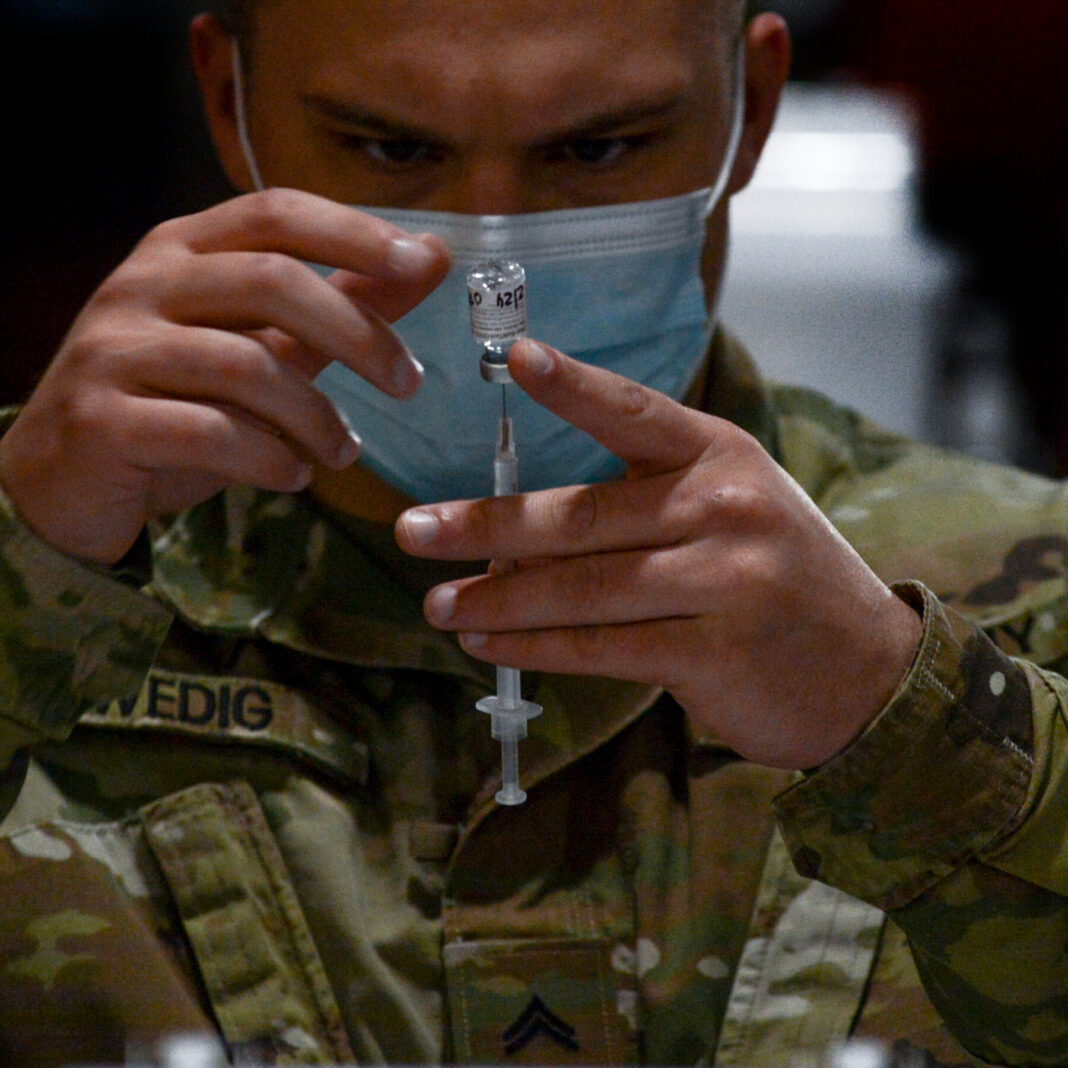
A newly hired military health investigator has been tasked with reviewing whether Covid-19 vaccinations contributed to the deaths of 2,500 service members. The investigator, Dr. Theresa Long, an Army doctor, previously drew controversy for her public opposition to the shots. Her appointment is part of a broader review initiated by administration officials.
In a legal deposition obtained by The New York Times, Long compared immunizing service members against Covid to Nazi doctors conducting experiments on concentration camp prisoners. The deposition has raised concerns among military medical officials about the objectivity of the upcoming review.
The review will focus on a pool of roughly 2,500 troop deaths that occurred after the vaccine rollout. Officials have yet to confirm a direct causal link between the shots and those fatalities. Available military health data shows that the vast majority of severe Covid outcomes occurred among unvaccinated personnel.
Long’s prior statements and her lack of published research on vaccine injuries have become a focal point for critics. Defense department scientists have noted that the vaccine’s safety profile was closely monitored among active-duty troops. Clinical trials and post-authorization surveillance have documented rare but serious side effects in younger populations.
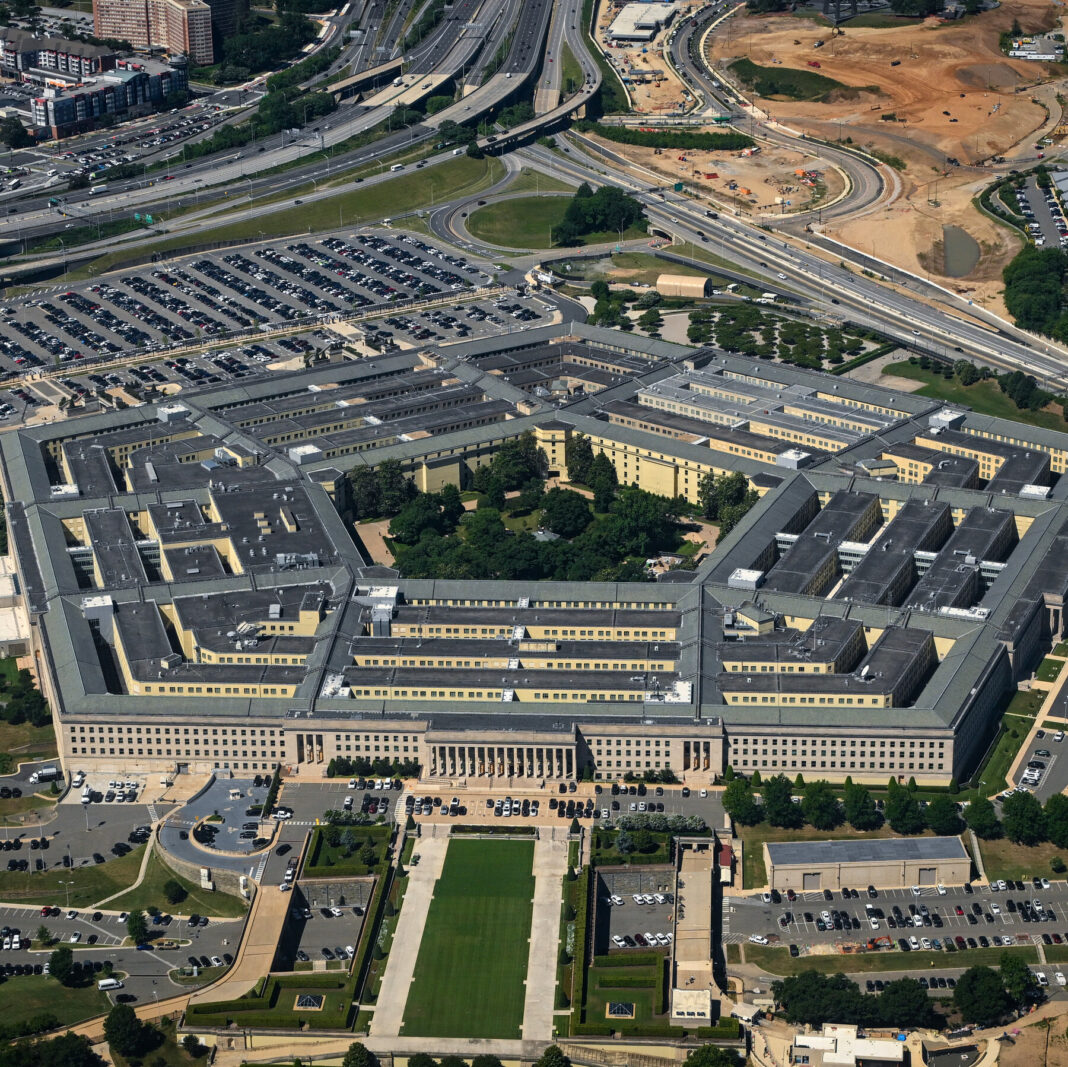
The appointment is part of a larger effort to revisit pandemic-era health mandates across federal agencies. Several previous reviews have re-examined vaccine policies for military personnel, with mixed conclusions. The Pentagon has not yet commented on Long’s deposition remarks or her specific investigative mandate.
Legal experts note that including a vocal opponent of the vaccine in such a review is not without precedent. However, the use of inflammatory historical analogies is likely to be scrutinized in court proceedings. The review’s findings could influence future compensation claims and policy decisions.
Family members of deceased troops have expressed cautious hope that the investigation will provide answers. Advocacy groups, meanwhile, have urged officials to maintain scientific standards throughout the process. The review is expected to take several months, with a final report due by mid-2027.
Military leaders have reiterated that troop safety remains the priority. They have also emphasized that any conclusions must align with peer-reviewed evidence. The coming months will likely see further debate over how the deaths are classified and investigated.