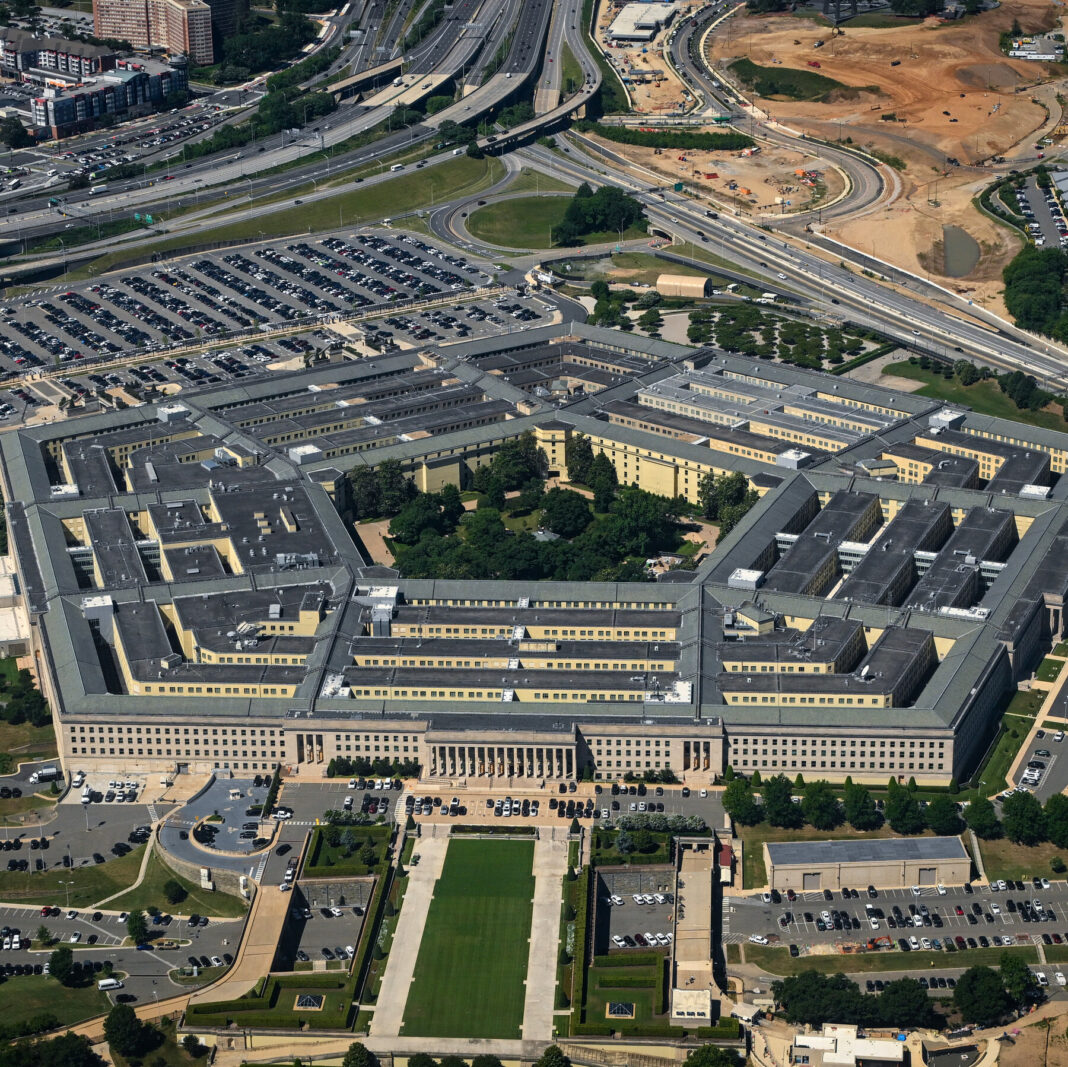
The Pentagon has entered a new partnership with the National Institutes of Health, expanding its role in biodefense and pandemic preparedness. The agreement places the Defense Department in a more prominent position within the nation’s biological threat response framework. Officials described the move as a step toward closer coordination between military and civilian health agencies.
Democratic lawmakers reacted with concern, warning that the arrangement could enable a Pentagon cash grab. Critics argue the department may redirect funds intended for public health research toward its own priorities. They also questioned whether the military’s involvement would overshadow the NIH’s scientific mission.
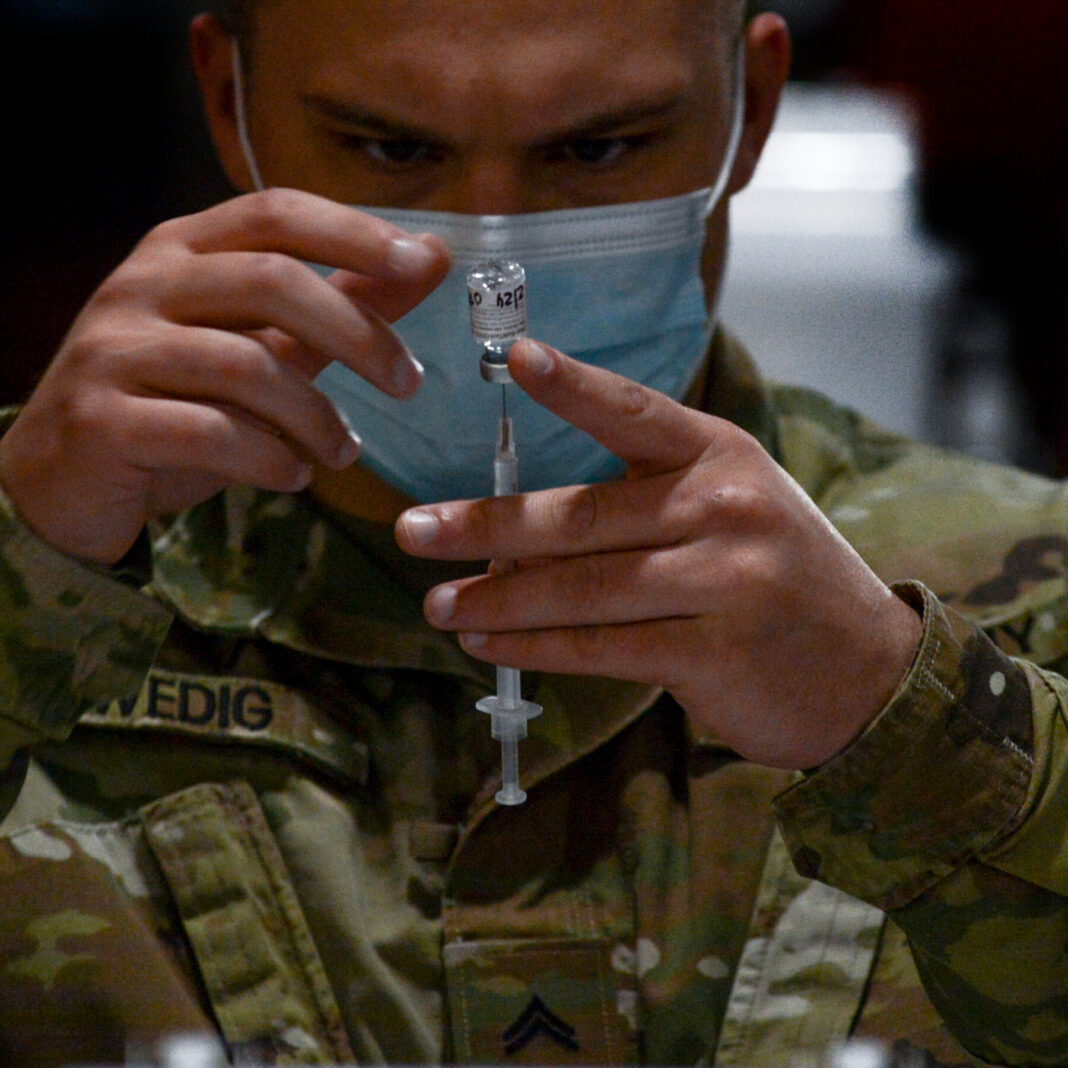
Under the partnership, the Defense Department will share resources and expertise with the NIH on projects related to emerging pathogens. This includes work on diagnostics, vaccines, and countermeasures against potential biological attacks. Both agencies have confirmed that joint teams will be formed to address high-risk threats.
Supporters of the agreement point to the need for rapid responses to biological incidents, whether natural or deliberate. They note that the pandemic exposed gaps in coordination between federal entities. The Pentagon’s logistical capabilities and advanced research networks could fill some of those gaps.
The NIH has maintained that it will retain authority over its research agenda. Agency leaders stated that the partnership is designed to complement, not override, its existing programs. Still, legal questions have emerged about how funding streams will be monitored and audited.
Democrats have requested detailed briefings on the terms of the agreement. They want clarity on how much money will move between departments and what oversight mechanisms will be in place. Some have called for the Government Accountability Office to review the arrangement.
The partnership comes amid broader debates over the federal government’s role in health security. Lawmakers remain divided on whether military involvement enhances readiness or risks mission creep. The coming months may bring further hearings and scrutiny over the scope of the new collaboration.