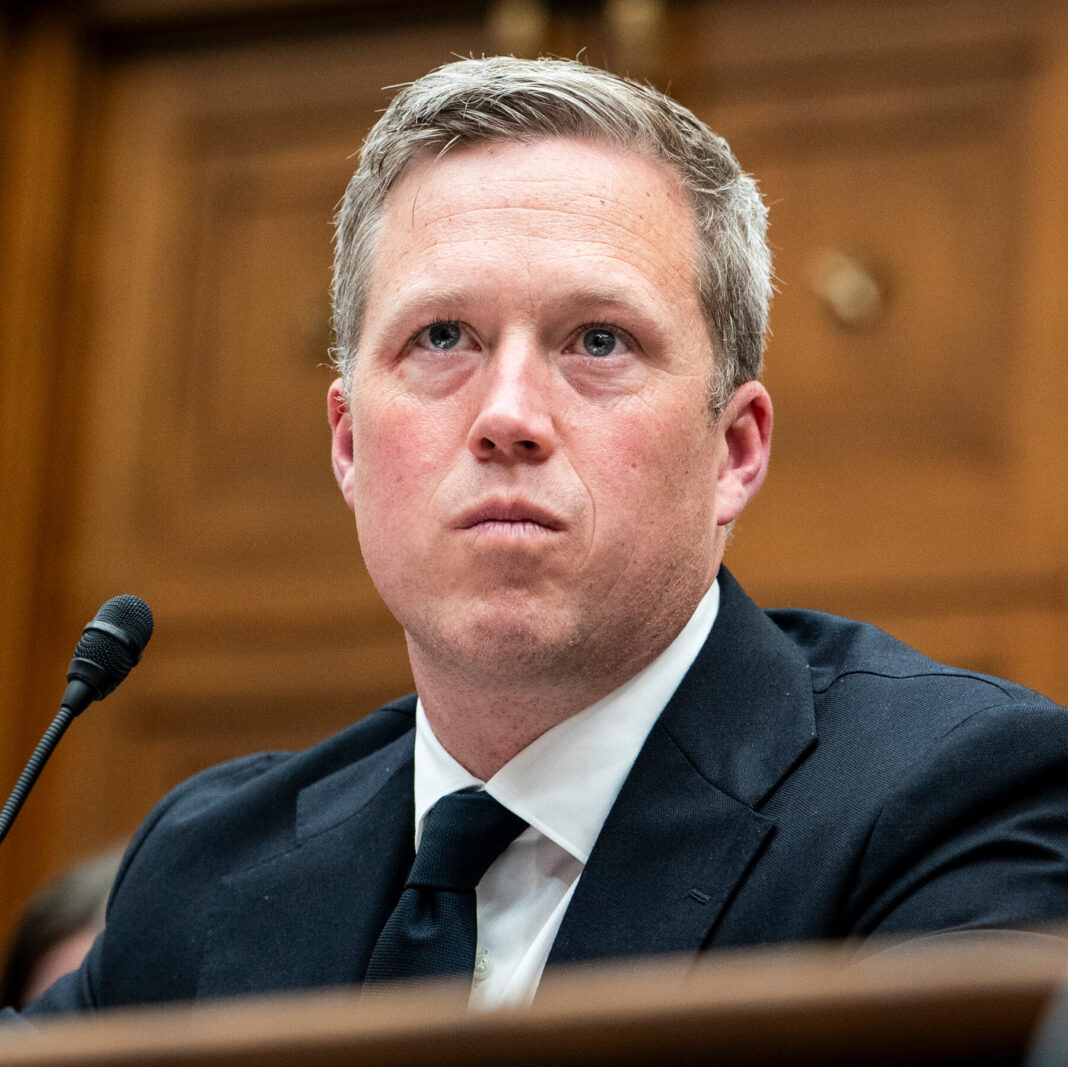
Daniel P. Driscoll resigned as secretary of the Army, a move that had been widely anticipated but lands during a period of significant strain for the service. His departure comes as the U.S. military navigates concurrent operational demands from two active conflicts. The timing intensifies pressure on leadership to maintain readiness and strategic focus.
Driscoll’s exit follows months of speculation regarding his tenure, though no single incident was cited as the immediate cause. Officials familiar with the matter described the resignation as a personal decision rather than a response to a specific policy dispute. The Pentagon has not yet named an interim successor.
The Army now faces the challenge of managing personnel, equipment, and budget priorities while sustaining commitments abroad. Both ongoing wars have stretched resources and highlighted gaps in recruitment and modernization efforts. Service leaders must address these issues without a permanent secretary in place.
His tenure included efforts to overhaul procurement processes and boost troop numbers, but progress was uneven. Internal reviews noted delays in key weapons programs and persistent difficulties meeting enlistment targets. These unresolved issues now fall to acting leadership.
Defense analysts point to the broader implications of a leadership vacuum during active hostilities. Decisions on deployments, allied support, and force posture require senior civilian oversight. Delays in appointing a successor could slow critical operational planning.
Lawmakers from both parties have called for a swift nomination to ensure stability. The White House has signaled that a replacement will be put forward in the coming weeks, though no candidates have been publicly confirmed. Confirmation hearings are expected to draw scrutiny on the military’s dual-war strategy.
The resignation underscores the elevated stakes for the Army’s next leader. Beyond immediate conflict management, the incoming secretary must address long-term structural challenges, including aging equipment and evolving threat landscapes. The service’s ability to adapt hinges on decisive and consistent leadership.