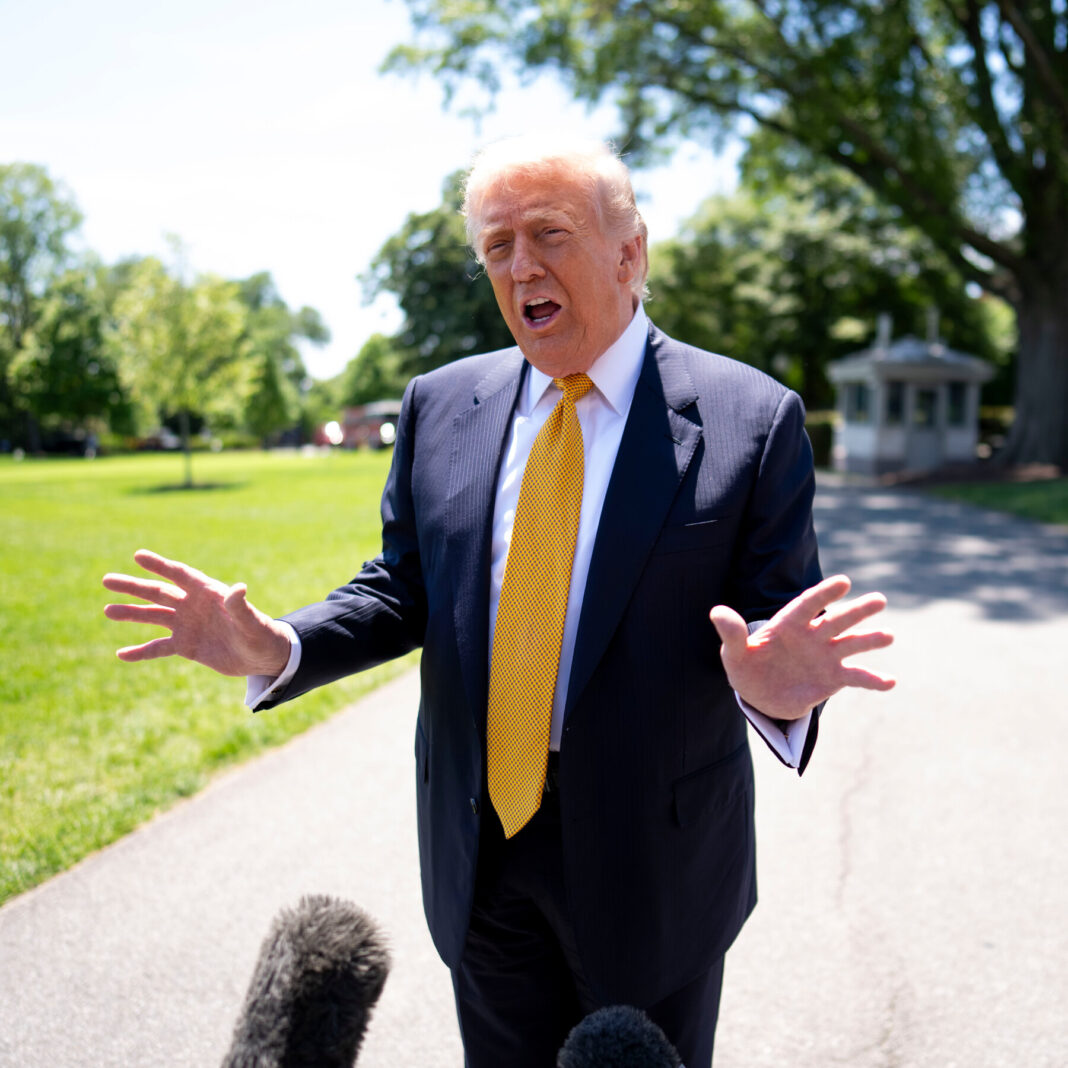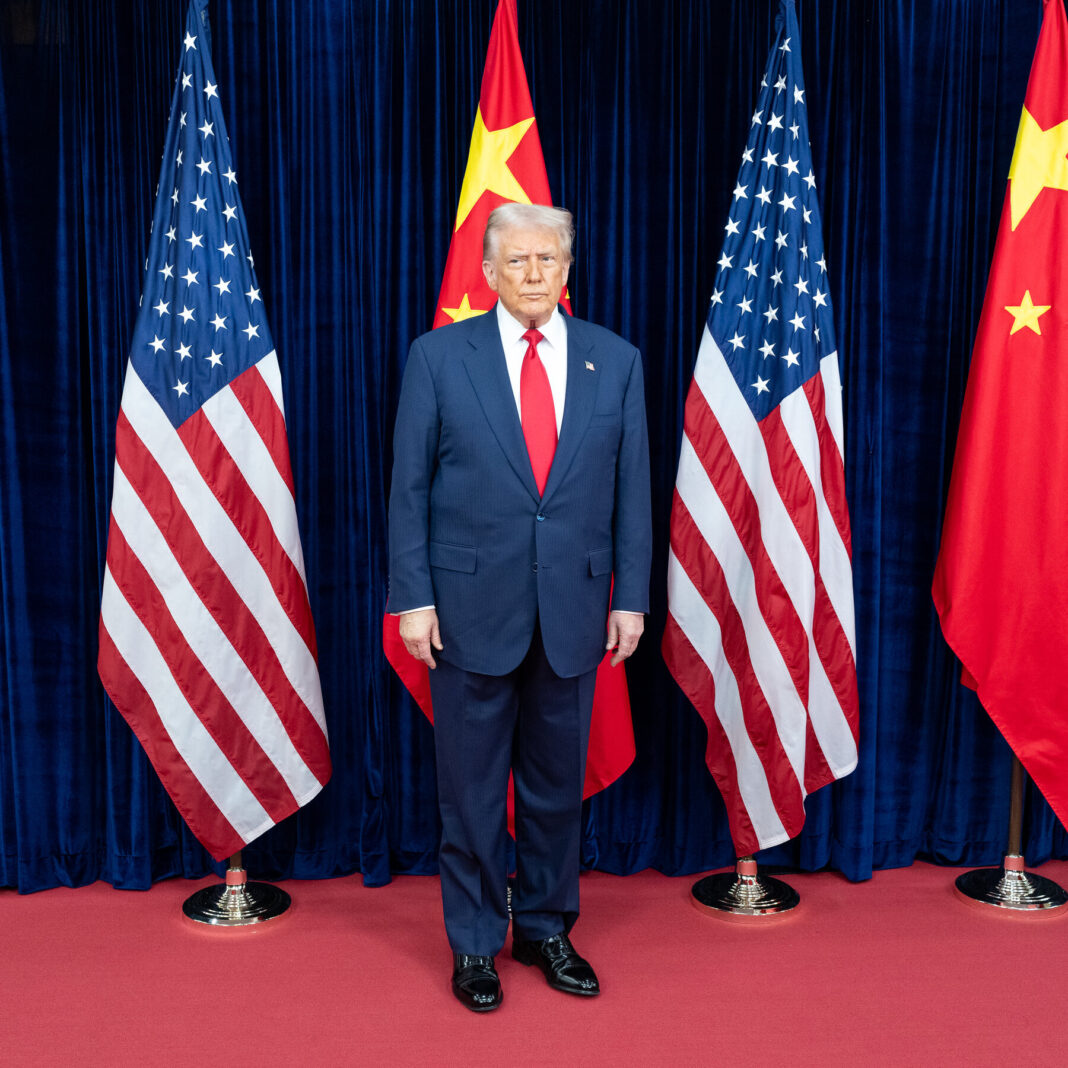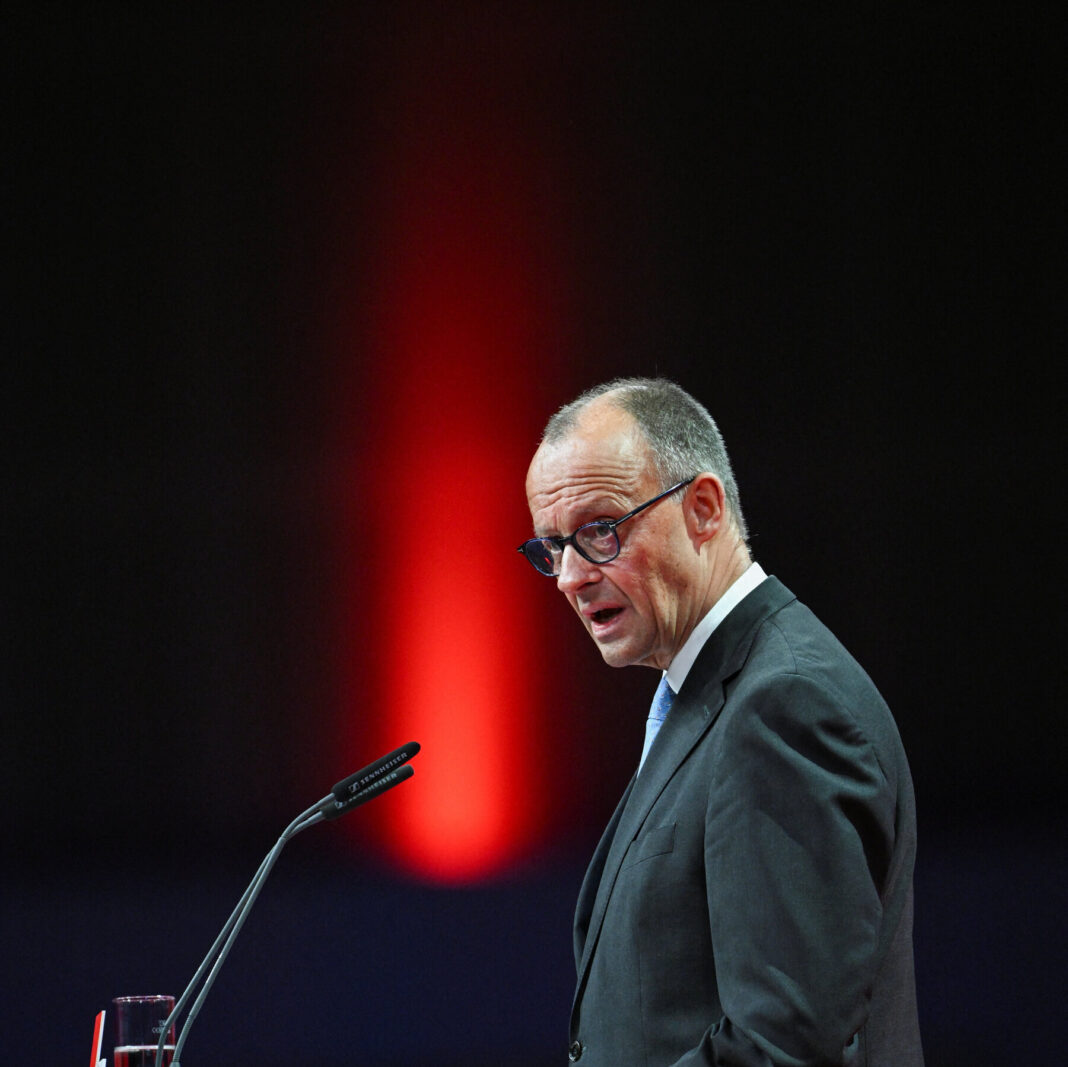
European leaders have adopted a confrontational approach toward President Trump, refusing to apologize for public criticism of his administration’s policies. The shift mirrors tactics often associated with Trump’s own negotiating style.
The change comes as Europe grapples with the consequences of America’s military engagement in Iran. Rather than softening their stance, officials have escalated their rhetoric.
When Trump reacted angrily to their statements, European governments did not retreat. They maintained their positions, signaling a new willingness to withstand presidential pressure.
This strategy marks a departure from past diplomatic norms. Traditionally, European allies have sought to mend fences privately after public disagreements with U.S. leaders.
The approach appears calculated to gain leverage. By refusing to back down, European leaders aim to demonstrate that transatlantic relations require mutual respect.
The tactic carries risks. It could further strain an already fragile alliance at a critical geopolitical moment.
Officials in Brussels and other capitals have coordinated their messaging. They aim to present a united front, avoiding the perception of division that Trump could exploit.
The outcome of this strategy remains uncertain. Early signs suggest it has tempered some U.S. reactions.