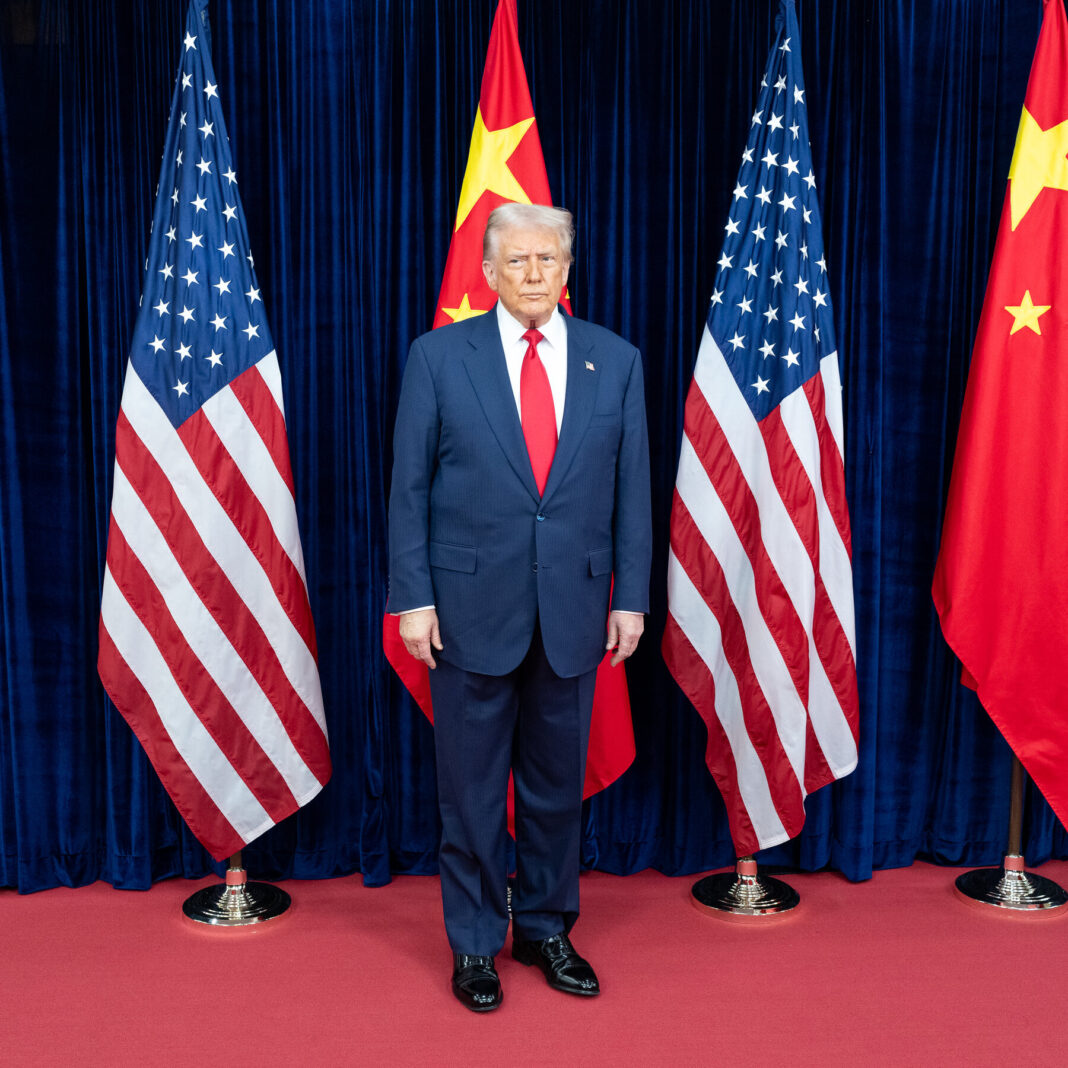
President Trump entered office with plans to impose significantly harsher trade measures against China than against any other country. His administration initially aimed for aggressive tariffs and economic pressure to reshape the bilateral relationship.
These broader ambitions have been scaled back considerably. The president has had to adjust his approach due to complex realities on the ground.
One major factor is the deep integration of the U.S. and Chinese economies. Many American companies rely on Chinese supply chains and markets, making sweeping tariffs self-destructive.
Domestic political pressures have also played a role. Industries and lawmakers have pushed back against policies that could hurt American jobs and raise consumer prices.
China’s own retaliatory capabilities have limited the administration’s options. Beijing has shown it can hit back at key U.S. export sectors, from agriculture to technology.
The shifting global economic landscape further complicates the plan. Trade disruptions with China risk pushing other nations into closer economic ties with Beijing.
The result is a more targeted and cautious trade strategy. The administration now focuses on specific disputes rather than a wholesale economic confrontation.
This pragmatic shift reflects a recognition that total decoupling is neither feasible nor desirable. The goal has become managing competition rather than pursuing outright victory.